Mastering the Moment: Timing Your Visit for 17-Mile Drive’s Iconic Scenic Views
The iconic 17-Mile Drive isn’t just a picturesque route; it’s a dynamic experience shaped by timing. Learn when to visit for the best light, quiet moments, and crowd-free views along California’s breathtaking coastline. This guide helps both casual visitors and seasoned adventurers plan their trip for maximum impact.
Start at Dawn for Secluded Views
Arrive early to enjoy empty parking lots and soft morning light that enhances landscape features without crowds.
Hydrate and Layer Up
Bring enough water and dress in layers to handle fluctuating temperatures—cool mornings and warm afternoons.
Wear Good Footwear
Choose supportive shoes with good traction for navigating both paved roads and uneven, pebbly paths near scenic pullouts.
Plan for Traffic on Weekends
Expect increased crowds and limited parking on weekends; plan to arrive early or late afternoon to avoid peak congestion.
Mastering the Moment: Timing Your Visit for 17-Mile Drive’s Iconic Scenic Views

17-Mile Drive Electric Bike Guided Tour
2.5 Hours • An Unforgettable Experience!
Discover the stunning California coast on the 17-Mile Drive Electric Bike Guided Tour in Carmel-By-The-Sea. Enjoy scenic vistas, rich history, and eco-friendly fun on this guided adventure along one of the world's most famous coastal routes.
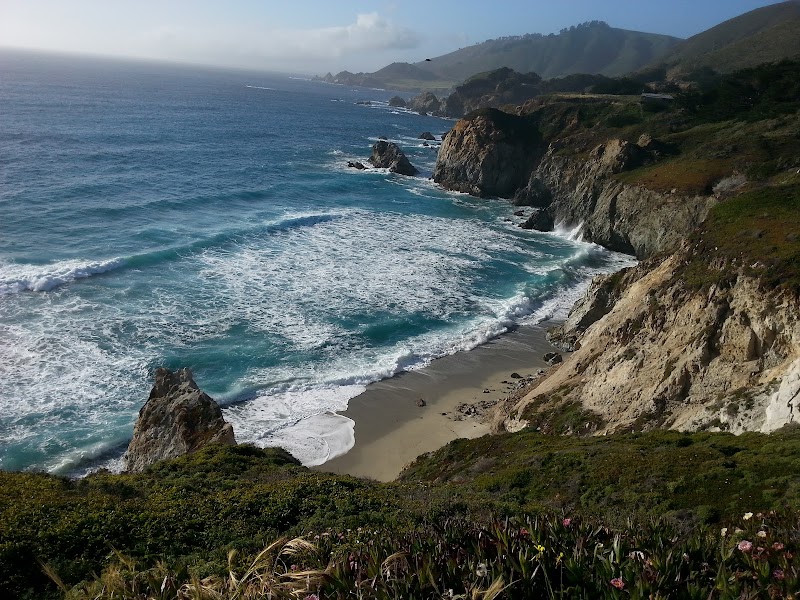
The 17-Mile Drive along California’s rugged Monterey Peninsula offers a scenic escape that demands thoughtful timing to fully appreciate. Stretching roughly 17 miles from Pacific Grove to Carmel-by-the-Sea, this famous coastal route is more than a drive. It’s a calculated journey through shifting light, tides, and tides of visitors that can either enhance or diminish the experience.
The route itself is a loop dotted with several prime vantage points and short hiking trails. While it’s possible to cruise through in under an hour, proper planning means committing a half day or more to absorb the forest-swathed sections, granite cliffs, and endless Pacific horizons. Terrain varies from paved roads to easy footpaths; elevation is gentle but constant enough to keep senses alert.
Early morning emerges as the optimal window for those wanting solitude paired with the best natural lighting. Dawn’s cool air wakes the cypress trees, their twisted branches seeming to stretch toward the lingering mist as the ocean dares you to step closer. The quiet is punctuated only by seabirds calling and waves crashing boldly against the rocks. Traffic is minimal, reducing distractions and allowing sharper attention to unfold.
Midday brings a different character. The sun stands high, bleaching colors but also revealing hidden textures in the knotted bark and frothy surf. Parking can become scarce as daytrippers arrive, so patience and timing are practical. For hikers, this is the moment to hydrate consistently—California sun is relentless even when breezes attempt to cool.
Afternoon shadows lengthen, creating dynamic contrasts on the shoreline and through the groves. This is when the vistas deepen in richness, the nearby Pebble Beach golf course glowing against the dark forest floors. It’s a transitional phase, inviting you to taper activity or use the time for a slower-paced walk, discovering smaller features like wildflowers or harbor seals lounging on distant rocks that water currents push before the shore.
Sunset, though brief, delivers the showstopper everyone waits for. The sky inflames in streaks of orange and purple, reflecting perfectly off still tide pools and glistening rock faces. It’s a fiercely natural spectacle worth scheduling for. However, daylight fades fast here; bring a flashlight or earmark a path back to your car with enough margin.
If visiting on weekends or holidays, arrive early to beat a crowd eager for the iconic Lone Cypress or Bird Rock views. Off-season, notably late fall through winter, provides a quieter experience but with cooler temperatures and a higher chance of fog—nature’s way of wrapping the scene in a soft veil of mystery.
Practical advice for timing includes starting early, packing layered clothing to adjust through shifting temperatures, and carrying water and snacks. Footwear should balance grip with comfort; pavement is mixed with uneven pathways and occasional gravel. Prepare to move steadily but stop often—the environment speaks in waves, breezes, and light shifts, challenging you to respond with equal attentiveness.
Ultimately, 17-Mile Drive’s scenic views offer more than photo ops—they are active invitations to engage with a living, breathing coastline. Timing your visit transforms the route from a scenic drive to an interactive adventure, where nature's rhythms meet your pace and watchful eye.
Nearby Trips
All Adventures
Boat Charters
Water Activities
Adventures near Monterey
Discover the unique and memorable adventures that make Monterey special.
Frequently Asked Questions
What is the best time of day to visit 17-Mile Drive for photography?
Sunrise offers soft, golden light with fewer visitors, great for capturing the Lone Cypress and coastal cliffs. Sunset brings dramatic colors but attracts crowds and ends quickly—plan accordingly.
Are there any lesser-known viewpoints along the drive?
Yes, spots like the Fanshell Overlook and Spanish Bay Nature Trail offer quieter, intimate views less frequented by tourists, providing a unique perspective on the coastline and tidepools.
What wildlife might I spot during my visit?
Birds such as pelicans and cormorants are common, along with offshore sea otters and harbor seals that lounge on coastal rocks. In spring, migrating whales can sometimes be glimpsed far on the horizon.
Is the route challenging for inexperienced hikers?
The route mainly follows paved and well-maintained paths, with short hikes along easy terrain. Moderate fitness is beneficial for enjoying the full loop and side trails comfortably.
Are there any seasonal hazards I should prepare for?
Fog is common in spring and winter mornings, reducing visibility. Summer requires sun protection and hydration. Winter can be rainy and cold; waterproof gear is recommended.
How can visitors help conserve the local environment?
Stick to marked paths to protect sensitive vegetation, avoid disturbing wildlife especially marine mammals, and carry out all trash. The delicate coastal ecosystem benefits when visitors respect posted guidelines.
Recommended Gear
Sturdy Hiking Shoes
Good grip and support are essential for uneven paths and mixed surfaces along the drive and trails.
Layered Clothing
Prepare for cool mornings and warm afternoons by layering breathable fabrics you can add or remove.
Hydration Pack or Water Bottles
Stay hydrated to combat sun exposure and maintain energy throughout your visit.
Compact Flashlight or Headlamp
If you plan to stay through sunset, this will help you navigate return paths safely as light fades quickly.
Local Insights
Hidden Gems
- "Fanshell Overlook for tidepool exploration"
- "Spanish Bay Nature Trail for quiet forest walk"
- "Pescadero Point for views of returning sea otters"
Wildlife
- "Harbor seals basking on offshore rocks"
- "Pelicans diving along the coastline"
- "Migrating gray whales in spring"
History
"Originally created as a scenic toll road by the Pacific Improvement Company in 1881, the 17-Mile Drive showcases early conservation efforts and elite leisure culture centered on Pebble Beach."