
Photographing surf lessons in Monterey Bay offers a thrilling blend of action and natural beauty, but it requires keen attention to safety. This guide equips you with practical tips to protect yourself and your gear while capturing the dynamic pulses of the Pacific.
Maintain Safe Distance from the Surf Zone
Stand back from breaking waves and shifting currents to avoid injury and equipment damage. Use a zoom lens to keep your shots tight without stepping into danger.
Protect Your Equipment From Saltwater
Use waterproof bags and clean gear immediately after exposure. Saltwater accelerates corrosion and can ruin your lenses and camera bodies if not handled properly.
Communicate With Surf Instructors
Coordinate with instructors to anticipate big waves and surfer movements. This improves safety and helps capture decisive moments when surf action peaks.
Dress in Layered, Quick-Dry Clothing
Monterey Bay often experiences sudden temperature drops with marine fog. Layered, moisture-wicking fabrics keep you comfortable and focused on your photography.
Mastering Photography Safety During Monterey Bay Surf Lessons
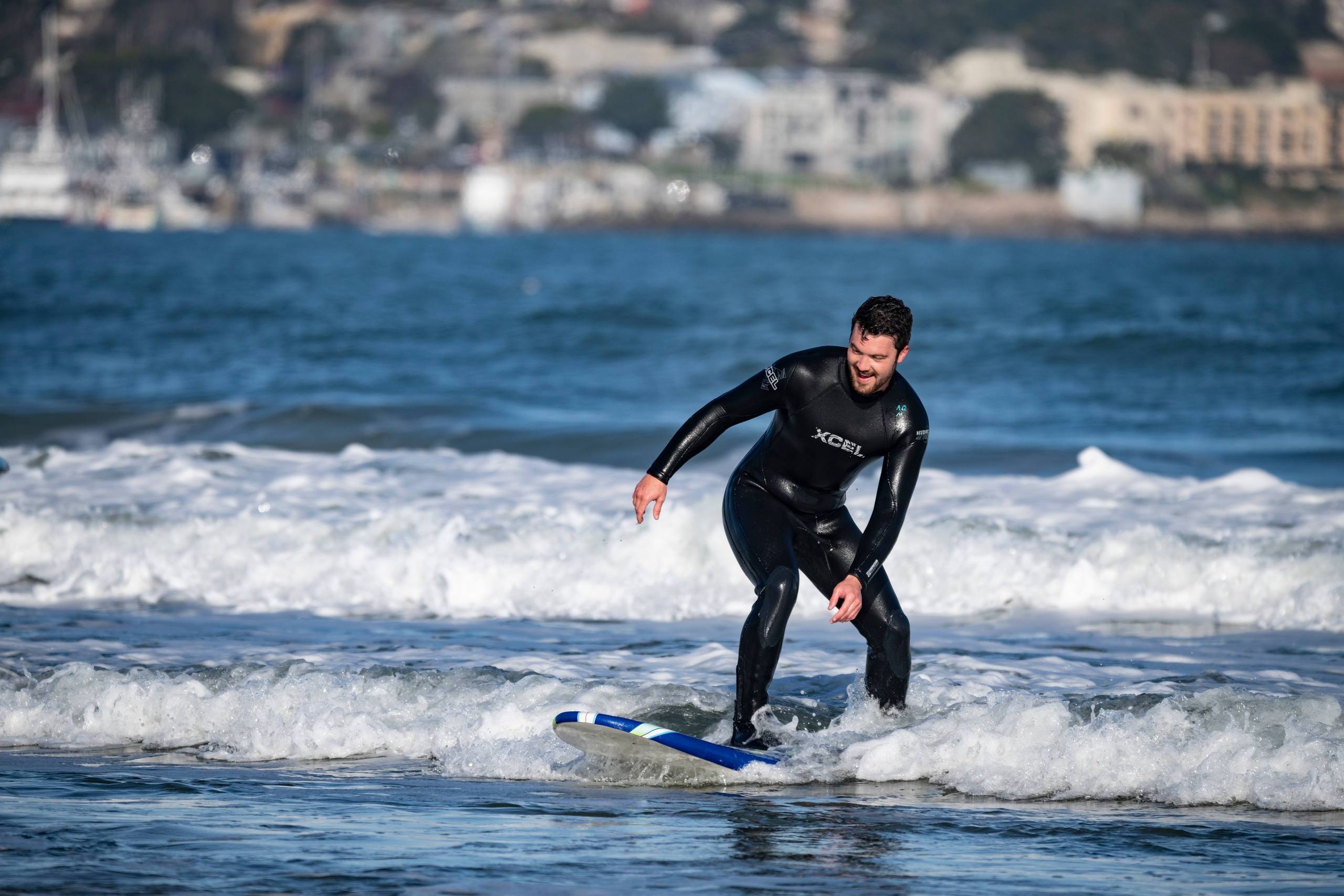
Surf Lesson
Ages 10+ • 2 Hours • Up to 4 People
Discover the thrill of surfing in Monterey with a private lesson that caters to all skill levels. Surrounded by stunning coastal scenery, this experience promises fun, learning, and unforgettable ocean moments. Read on to find out more about this unique surf adventure.
Monterey Bay’s surf scene is a compelling spectacle—waves break with unapologetic force, and the ocean’s shifting moods challenge every surfer and their companions. If you’re tagging along to capture these moments, photography here demands respect for both the sea and the activity. Surf lessons expose beginners to powerful currents and unpredictable waves, making safety your primary concern while aiming for that perfect shot.
Position yourself in designated safe zones—beaches and raised vantage points where instructors can see both surfers and photographers. Wet suits and beginners will struggle with balance; unpredictable wipeouts send water and boards flying, so distance is crucial. Avoid stepping into the surf zone; even shallow water can push you off your feet. Compact zoom lenses are best—allowing you to stay back while framing dynamic moments without risking your gear or your health.
Sunlight on water creates stunning reflections but also glare that challenges camera sensors. Use a lens hood and polarized filters to control light and capture details without overexposure. Weather can turn quickly; Monterey Bay’s marine layer often rolls in by afternoon, softening sunlight but sharpening chill. Dress in breathable layers that dry quickly—being cold disrupts your concentration and choice of shots.
Waterproof or at least splash-resistant camera bags are non-negotiable. Saltwater corrodes metals and lenses—wipe down equipment promptly. Recharge batteries before arriving; cold weather drains power faster. Know your surroundings: rocky outcrops and slick seaweed demand steady footing. Bring clear footwear with good grip to move along shorelines safely.
Communication with instructors is vital. They can warn of incoming sets and signal when the surf action peaks. This collaboration lets you anticipate moments rather than react to chaos. Look beyond the waves—Monterey Bay seals, shorebirds, and even dolphins frequently appear. Layer these living subjects into your frame for richer storytelling.
Photography at Monterey Bay surf lessons is an engagement with a wild, raw environment. The ocean dares you to balance closeness and caution, to capture motion without distraction. With preparation, respect, and awareness, your images won’t just record a lesson—they’ll reflect the fierce personality of the Pacific itself.
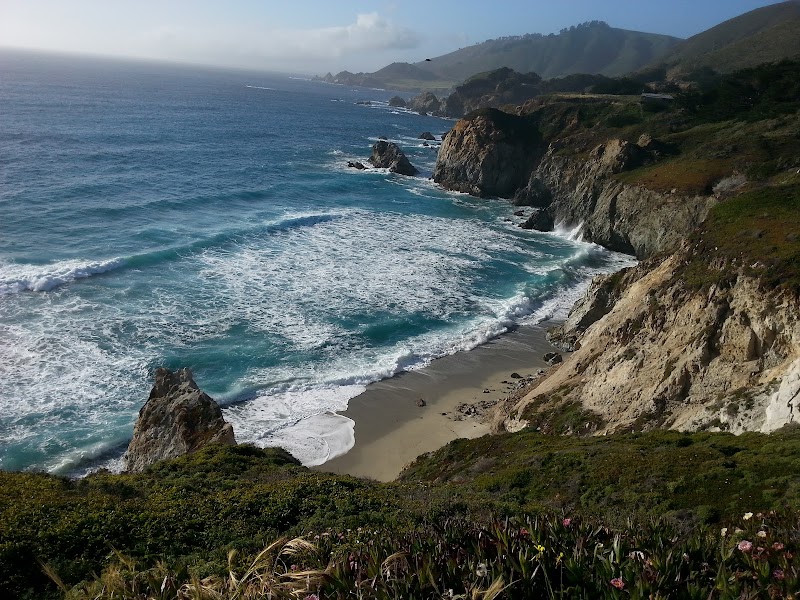
Nearby Trips
All Adventures
Boat Charters
Water Activities
Adventures near Monterey
Discover the unique and memorable adventures that make Monterey special.
Frequently Asked Questions
How close can I safely get to surfers during lessons?
Stay behind designated safety lines or natural barriers like rocks and dunes. Avoid entering the surf zone; unexpected wipeouts can cause boards and water to strike unexpectedly.
What is the best time of day to photograph surf lessons in Monterey Bay?
Morning to mid-morning offers softer, more diffused light with fewer crowds and calmer conditions before afternoon wind picks up.
Are there any local wildlife to watch for while shooting photos?
Seals and sea otters often lounge on rocks or swim near shorelines. Shorebirds like pelicans and cormorants add dynamic wildlife elements in your frames.
Is it necessary to get permission to photograph surf lessons?
Generally, surf instructors welcome photography but always ask beforehand to ensure privacy and safety protocols are respected.
What environmental conditions should I prepare for?
Expect sudden fog, ocean spray, and windy shifts. Protect gear from moisture and wear layers to adjust to fluctuating temperatures.
Can rocky shorelines be accessed safely for alternative shooting angles?
Yes, but only with proper footwear and caution. Rocks are often slippery with algae and wave scrums, so timing your visits outside swell peaks is critical.
Recommended Gear
Zoom Lens (70-200mm)
Allows shooting from a safe distance while capturing detailed action on the waves.
Polarizing Filter
Reduces glare off the water and enhances contrast in sunlight.
Water-Resistant Camera Bag
Protects gear from accidental splashes and salt spray.
Layered Quick-Dry Clothing
Keeps you warm and dry as morning fog and ocean breezes shift temperatures.
Local Insights
Hidden Gems
- "Point Joe overlook for elevated surf views"
- "Lovers Point rocky coves offering unique angles"
Wildlife
- "Harbor seals, sea otters, pelicans, and occasionally migrating gray whales"
History
"Monterey Bay has a rich surf culture dating back to the early 1900s, with nearby Cannery Row's fishing heritage adding a coastal historical dimension."