Mastering Monterey Logistics: Meeting Points and Transportation Tips for Your Adventure
Monterey’s breathtaking coastal and forest trails offer adventures for every level, but smooth logistics are key. This guide highlights essential meeting points and transportation options that keep your journey efficient and your focus on the trail ahead.
Use Centralized Meeting Points
Opt for easily accessible places like Monterey Bay Aquarium or Garland Ranch parking lots to coordinate with groups before hitting the trails.
Plan Early Arrivals
Arriving before 9 a.m. helps you claim parking in busy spots and avoid midday traffic on popular weekend hikes.
Check Transit Schedules in Advance
MST bus routes service many trailheads but have limited weekend operations. Verify times beforehand to avoid surprises.
Prepare for Limited Cell Service
Remote trailheads may lack reliable service; establish meeting times and backup plans before entering these areas.
Mastering Monterey Logistics: Meeting Points and Transportation Tips for Your Adventure
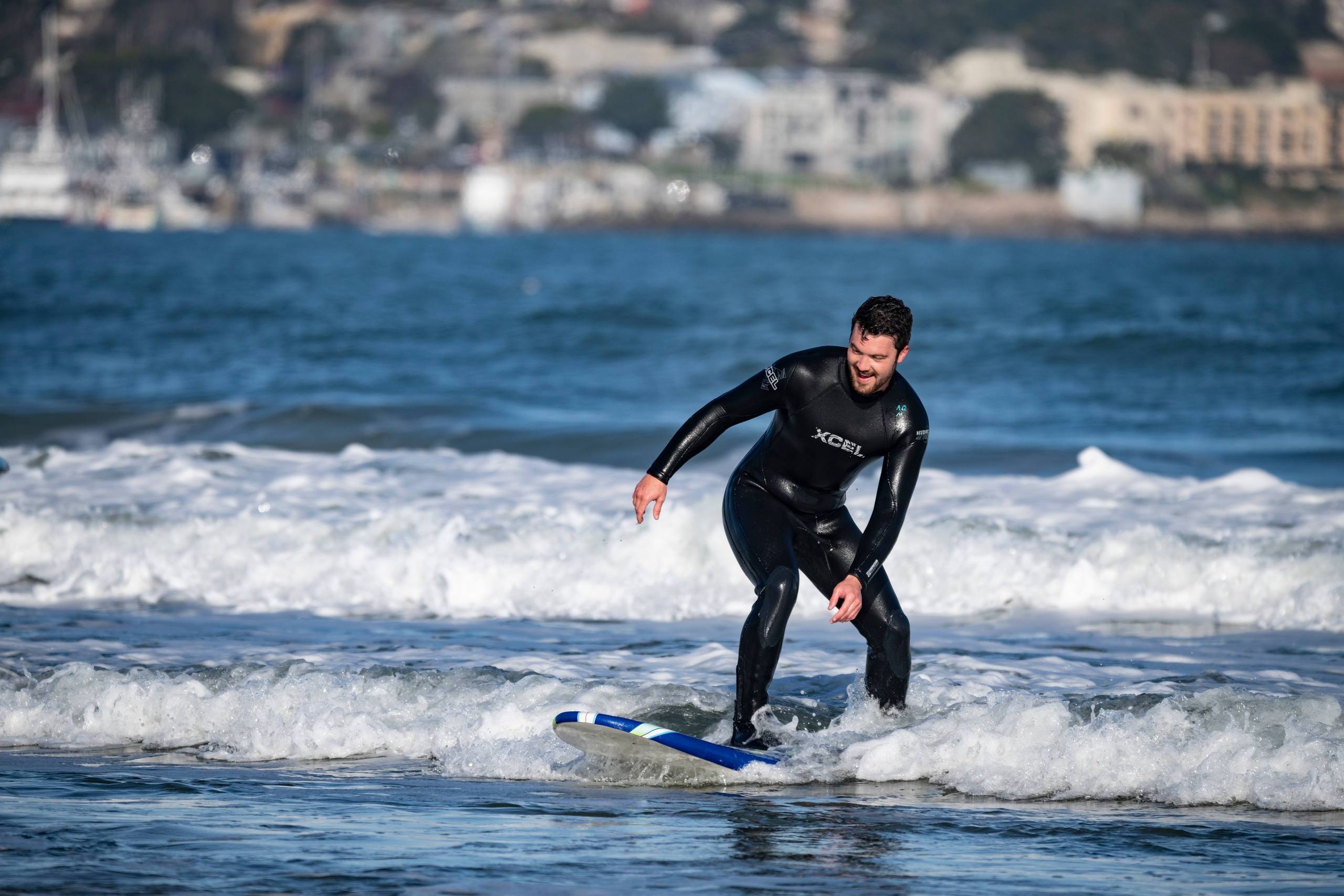
Surf Lesson
Ages 10+ • 2 Hours • Up to 4 People
Discover the thrill of surfing in Monterey with a private lesson that caters to all skill levels. Surrounded by stunning coastal scenery, this experience promises fun, learning, and unforgettable ocean moments. Read on to find out more about this unique surf adventure.
Monterey, California, offers a gateway to coastal hikes, scenic views, and rich marine life, but accessing the best trails requires smart navigation. Whether you're converging with fellow hikers or planning solo excursions, knowing your meeting points and transport options simplifies your journey and maximizes your outdoor time.
Key Meeting Points
Start at Monterey Bay Aquarium’s parking lot if your group plans to explore city-adjacent trails. It’s centrally located and well-known, making rendezvous straightforward. For those heading into wilderness areas like Garland Ranch Regional Park, use the park’s main entrance parking as a meeting spot—ample space and convenient roadside access reduce stress.
Getting Around
Monterey’s public transit, MST (Monterey-Salinas Transit), connects the city with nearby trailheads. Routes 1 and 22 shuttle between downtown, Carmel, and popular outdoor spots, running frequently but expect limited service on weekends. If you prefer flexibility, rideshare rides are reliable, though surge pricing spikes during peak hours.
Driving and Parking
Renting a car is often the most practical for reaching trailheads at Garrapata State Park or Point Lobos, where public transit doesn’t reach. Parking fills quickly on weekends and holidays; plan to arrive early between 7-9 a.m. to secure spots. Trailheads can feature unpaved lots—some with narrow entries demanding cautious driving.
Timing Your Departure
Morning departures beat trail congestion and midday heat while offering wildlife spotting chances along coastal paths. If meeting a group, confirm meet-up times and exact locations in advance—cell coverage fluctuates near remote sites, so a backup plan helps.
Practical Tips
- Confirm your ride options the day before; schedules can change.
- Bring cash for parking meters in some areas.
- Share your itinerary with someone not on the trip for safety.
- Pack hydration and snacks ahead to avoid wasting time hunting these essentials.
Navigating Monterey’s logistics is a tactical yet rewarding task. The successful adventurer respects the region’s rhythms and prepares accordingly, turning transport into a seamless part of the journey that leads you straight into nature’s dialogue.
Nearby Trips
All Adventures
Boat Charters
Water Activities
Adventures near Monterey
Discover the unique and memorable adventures that make Monterey special.
Frequently Asked Questions
What are the main transportation options to reach Monterey trailheads?
Options include renting a car for access and flexibility, using MST public transit routes 1 and 22 which connect key points in the city to trail areas, and rideshare services. Check schedules as bus runs are limited on weekends and holidays.
Are there recommended spots to meet hiking groups in Monterey?
Popular and easy-to-find places like the Monterey Bay Aquarium parking lot or Garland Ranch Regional Park main entrance are ideal. These locations offer space and clear landmarks to avoid confusion.
Is parking usually available at popular trailheads?
Weekdays generally have ample parking, but weekends and holidays often fill early. Arriving before 9 a.m. increases your chances of a space, especially at Point Lobos and Garrapata State Park.
Do I need any permits or passes for trail access?
Some parks such as Point Lobos require an entry fee or parking pass. Always check the specific park’s website for current regulations and fees before your visit.
What wildlife might I encounter near Monterey trails?
Look for sea otters bobbing offshore, peregrine falcons nesting on cliff faces, and deer through forested sections. Early mornings and late afternoons offer the best wildlife viewing opportunities.
Are there any local customs or environmental rules hikers should respect?
Monterey’s natural spaces are fiercely protected. Stay on marked trails to avoid eroding sensitive habitats, pack out all trash, and respect wildlife by maintaining a safe distance.
Recommended Gear
Sturdy Hiking Boots
Supportive, waterproof boots protect against rocky and occasionally muddy trails.
Layered Clothing
Prepare for shifting temperatures and coastal breezes with quick-drying, moisture-wicking layers.
Hydration Pack
Carry sufficient water, especially in summer when temperatures push upward and shade thins.
Daypack with Emergency Kit
Include basics like a first aid kit, map, sunscreen, and snacks for a self-sufficient excursion.
Local Insights
Hidden Gems
- "The subtle overlook at China Cove offers a quieter perspective of dramatic sea stacks compared to the main lookout."
- "Pfeiffer Beach’s purple sands and twisted rock formations remain lesser-known, offering solitude and surprising photo ops."
Wildlife
- "Harbor seals loaf on sun-drenched rocks with a stubborn independence."
- "Monterey cypress trees stand as stoic characters, their windswept branches telling stories of coastal resilience."
History
"Monterey was California’s first capital and a major hub for the fishing industry, with trails often passing remnants of old cannery sites and Spanish colonial landmarks."