
Mastering Monterey Bay’s Sea Conditions for Prime Whale Watching
Monterey Bay’s dynamic ocean is more than a backdrop; it’s the key to unlocking unforgettable whale sightings. Learn how understanding currents, temperature shifts, and seasonal patterns can elevate your whale watching from hopeful glance to thrilling encounter.
Monitor Daily Marine Weather Reports
Regularly check NOAA and local marine conditions for up-to-date info on sea surface temperatures and wind forecasts to anticipate whale activity hotspots.
Time Your Outings for Early Mornings
Mornings often offer calmer seas and better light, improving visibility of whale blows and breaches against the water’s surface.
Layer Up for Variable Coastal Weather
Prepare for fluctuating temperatures near the ocean; wear moisture-wicking base layers and windproof outerwear to stay comfortable during extended observation times.
Bring Binoculars and Camera with Telephoto Lens
Distance can be deceptive—binoculars zoom into far-off blows and tails, while telephoto lenses capture detailed wildlife shots without disturbing the animals.
Mastering Monterey Bay’s Sea Conditions for Prime Whale Watching

Whale Watch (3-4hrs)
3-4hr spacious tour limited to around 50% capacity
Discover the thrill of spotting whales and marine wildlife on a 3-4 hour Whale Watch tour in Moss Landing. Perfect for nature lovers and adventure seekers alike, this trip promises unforgettable ocean encounters.
Monterey Bay’s waters pulse with shifting currents and temperature bands—each element playing a critical role in where whales gather. To truly optimize whale sightings here, understanding these sea conditions isn’t just helpful; it’s essential. The bay’s expansive marine ecosystem challenges the casual observer, but it rewards those who read its cues with awe-inspiring encounters.
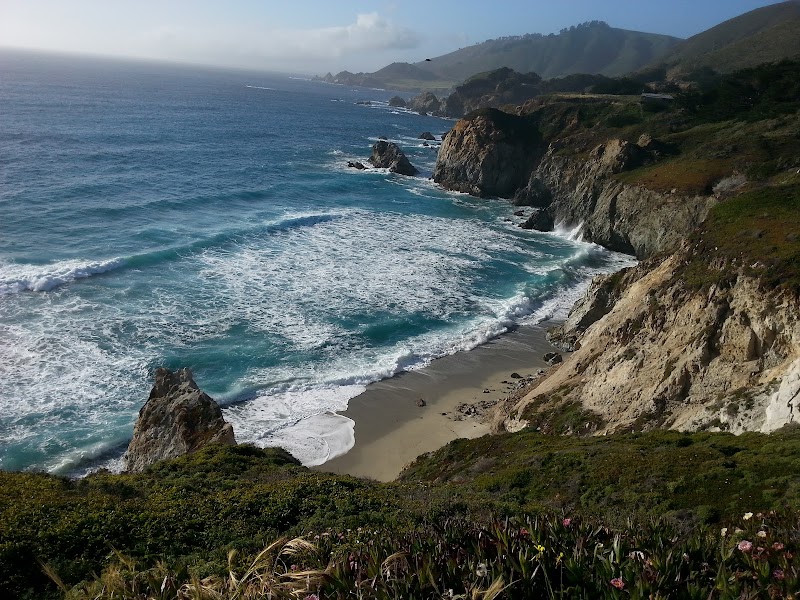
The bay’s surface is rarely still. Wind patterns push and pull with unpredictable moods, corralling plankton blooms that attract krill-hungry whales. Currents off the Big Sur coastline mingle with cooler upwellings from the deep, like an intricate dance that moves miles offshore and closer to the shore in turns. Decoding this dance means tracking water temperature—whales prefer zones between 50 and 60°F, areas rich in krill and anchovies.
Start by checking resources like NOAA’s oceanographic reports or local marine advisories. These updates often include sea surface temperatures, wave heights, and wind forecasts. Calm seas improve visibility, but light to moderate wind can push prey toward the coastline, concentrating whale activity where you’ll have better vantage points.
Timing also sharpens the chances. Peak whale season, from late spring through fall, aligns with feeding frenzies spurred by nutrient-rich upwellings. Morning trips typically benefit from a flat sea surface, the light catching whale blows and breaches with sharper clarity.
On the water, the bay’s currents will test your craft’s steadiness. Whaleboat operators know to navigate toward turbulent edges—the visible line where warm meets cool. Whales use these boundaries strategically. Positioning here increases the odds of sightings while minimizing disturbance.
For land-based watchers, spots like Point Lobos State Natural Reserve provide sweeping views of the dynamic ocean front. Keep binoculars ready and scan for rising spouts or splashes. The bay’s changing face can slip surprises—dorsal fins slicing through swells, a tail fluke rising against the morning sun.
Safety and environmental respect are key. Monterey Bay is fiercely alive; sudden fog or shifting tides demand attention. Proper footwear is a must when exploring rocky outcrops, while layers guard against ocean chills. Hydrate well before long hours outdoors, and carry waterproof gear if you embark on boat excursions.
Engagement with Monterey Bay’s sea conditions is a balance of science and instinct—the thrill of chasing whales is amplified by knowing the forces shaping their presence. With preparation and patience, your encounter with the bay’s giants isn’t just a spectacle—it’s a shared moment with a living, breathing ocean.
Nearby Trips
All Adventures
Boat Charters
Water Activities
Adventures near Monterey
Discover the unique and memorable adventures that make Monterey special.
Frequently Asked Questions
When is the best time of day to spot whales in Monterey Bay?
Early mornings typically offer the calmest seas and clearest light, which enhances the visibility of whale blows and surface activity. Mid to late afternoon can bring fog and choppier water, reducing sighting chances.
What types of whales can I expect to see in Monterey Bay?
Monterey Bay hosts a variety of whale species including gray whales during migration, blue whales feeding in summer, humpbacks throughout much of the year, and orcas occasionally passing through.
How do sea conditions affect whale behavior here?
Whales are attracted to areas where cool upwelling currents bring dense prey like krill and anchovies. Wind and wave action can concentrate these food sources near shore, influencing where whales feed and surface.
Are there lesser-known viewpoints for whale watching on land?
Yes, spots like Garrapata State Park and the less trafficked bluffs of Pillar Point offer excellent vantage points with fewer crowds and expansive views offshore.
What safety precautions should I take when whale watching on a boat in Monterey Bay?
Check weather and sea conditions before departure, wear appropriate gear to handle cold and wet climates, follow local wildlife guidelines to avoid disturbing animals, and always use vessels operated by experienced guides.
How can I minimize my environmental impact during whale watching activities?
Stick to designated trails and observation points, avoid loud noises or sudden movements that disturb wildlife, respect marine park regulations, and support operators who follow eco-conscious boating practices.
Recommended Gear
Waterproof Windbreaker
Protects against ocean spray, wind, and sudden fog chills during land or boat-based whale watching.
Binoculars
Improves distant whale spotting, critical for coastal observation points where animals stay offshore.
Layered Clothing
Allows quick adjustment to fluctuating coastal temperatures and winds throughout the day.
Camera with Telephoto Lens
Captures detailed images of whales without disturbing them, excellent for enthusiasts and professionals alike.
Local Insights
Hidden Gems
- "The seal haul-out sites near Año Nuevo Island offer unique wildlife encounters apart from whales."
- "Monastery Beach during low tides reveals tide pools vibrant with sea life, perfect for quiet exploration."
Wildlife
- "Harbor seals and sea otters are frequent residents alongside whales, often visible near kelp beds."
- "Pelagic birds like the tufted puffin and common murre add life to the coastal skies during whale feeding season."
History
"Monterey Bay’s role as a rich marine resource dates back to Indigenous communities such as the Ohlone people, who sustainably navigated these waters long before modern whale watching began."