Mastering Marine Wildlife Photography: California Whale Watching Essentials
Experience California’s whale watching at Monterey Bay, where massive marine life meets keen photographer’s lenses. This guide offers tactical tips to ensure your trip delivers incredible wildlife shots while navigating conditions with confidence and respect.
Choose a Stable Photography Platform
Opt for whale watching tours with steady boats and enough space to move for the best angles. Smaller boats are nimble but less stable; larger boats offer steadier footing essential for clear shots.
Pack Weather-Appropriate Gear
Dress in layers and waterproof outerwear for coastal wind and spray. Protect your camera with rain covers or weather-sealed bodies to prevent water damage mid-trip.
Use Fast Shutter Speeds and Telephoto Lenses
Set your camera for 1/1000 sec or faster to freeze whale surface action. A 300mm or longer lens is key for detail shots where proximity is limited.
Prepare for Seasickness
Bring motion sickness remedies like ginger candies or wristbands, and stay hydrated. Staying calm and seated during rougher seas helps maintain steady shots and enjoyment.
Mastering Marine Wildlife Photography: California Whale Watching Essentials

Three Hour Whale Watch Tour
For all ages! • Afternoon departures• Prices listed include service fees
Join Monterey Bay Whale Watch for an exciting three-hour whale watch tour in Monterey, California, and witness some of the ocean's most incredible marine mammals up close. Perfect for wildlife lovers and families, this trip offers unforgettable moments on the open sea.
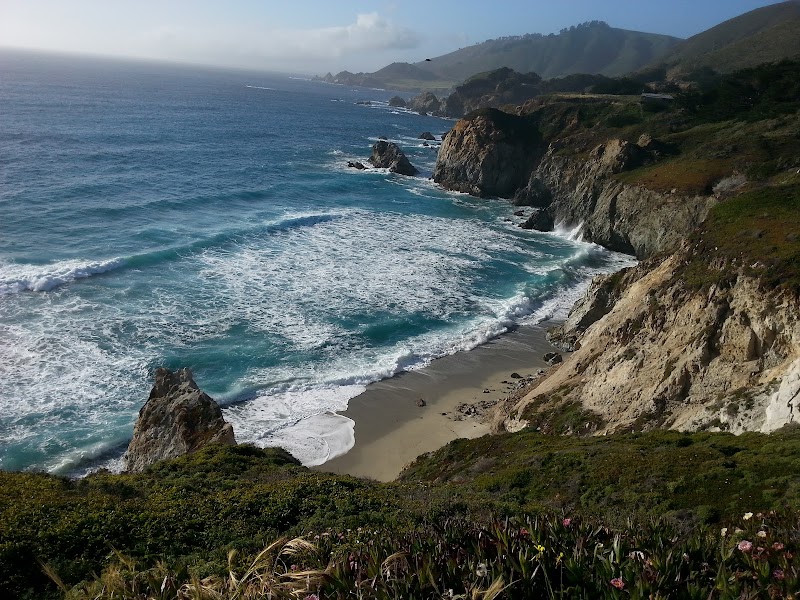
California's rugged coastline meets the vast Pacific, turning each whale watching trip into a pulse-quickening encounter with marine giants and dynamic wildlife. For photographers, this isn't just a trip—it's a challenge to capture these fiercely graceful creatures in their natural theater, where every shot is a blend of timing, technique, and respect.
Start by choosing the right vessel and season. Monterey Bay, close to the coastal city of Monterey, is one of the top spots for humpback, gray, and blue whales during migration seasons. The boats vary—some smaller, more nimble, bringing you closer to behaviors, others larger with stable decks geared for photographers. Aim to book a vessel with space to move freely and the ability to maneuver quickly.
Gear-wise, a telephoto lens of at least 300mm is indispensable; whales and other marine life rarely close the distance precisely on cue. Use a fast shutter speed—around 1/1000 sec—to freeze motion and avoid blur from both animal movement and the ocean’s rocking. Image stabilization paired with a monopod gives steadiness without weighing you down.
Lighting shifts rapidly on open waters. Early morning or late afternoon offers golden hues that cloak whales in a warm glow, ideal for silhouette shots or detailed textures of skin and water spray. Midday light is harsher but can accentuate blues of the ocean and sky, especially for wide shots. Always prepare for reflections and glare; a polarizing filter cuts through the shine to enrich colors and improve contrast.
Know your subjects beyond the whales. Sea lions bark and swirl nearby, seabirds dip and dive, and the ocean itself—the waves and spray—plays an elemental role. Anticipate behavior: whales surface repeatedly, arch backs and tail slaps trace rhythmic patterns. Position yourself on the boat’s windward side to avoid seaspray on your lens, and always mind the boat’s safety rules.
Patience is your silent partner. Wildlife shows on its own time, be ready for sudden breaches or serene moments alike. Capture bursts of action but remember to pause and observe—the interaction of creatures with their environment reveals the true story.
Finally, prepare practically. Dress in layers to handle sea chill and wind, bring waterproof protection for your camera, and pack snack essentials to stay energized. Hydrate well—seasickness is a real contender, so ginger candies and seasickness wristbands can make the day manageable.
Whale watching photography along California’s coast invites you into a conversation with nature that is bold and unpredictable. Approach it with respect, gear up with knowledge, and you’ll bring home images that speak of a living, breathing wildness fiercely itself.
Nearby Trips
All Adventures
Boat Charters
Water Activities
Adventures near Monterey
Discover the unique and memorable adventures that make Monterey special.
Frequently Asked Questions
When is the best time of year to photograph whales in California?
Spring (March to May) and fall (September to November) are prime whale watching periods, with spring focusing on northbound gray whales and fall on rare blue whales. Summer offers consistent humpback sightings but includes more foggy mornings.
What camera settings should I use for capturing whales at sea?
Use a fast shutter speed (1/1000 sec or higher) to freeze motion, continuous autofocus to track moving subjects, and aperture between f/5.6-f/8 for balanced depth of field and sharpness. ISO may need adjustment based on lighting, but try to keep it low to reduce noise.
Are there quieter spots along the California coast for whale watching without crowds?
Point Reyes and Año Nuevo State Park offer less trafficked shore-based viewing sites and occasional boat tours with smaller groups, especially outside peak weekend seasons.
How can I minimize disturbance to the whales while photographing?
Maintain respectful distances as guided by tour operators and regulations, avoid rapid or loud movements, and never attempt to approach whales in smaller private vessels or swim near them.
What other marine wildlife can I expect to photograph during whale watching tours?
Sea lions, harbor seals, dolphins, porpoises, various seabirds like pelicans and cormorants, and sometimes rare creatures like sea otters and sunfish.
Is seasickness common and how can it affect photography?
Seasickness affects many visitors due to the rocking boat motion and ocean conditions; it can severely hamper your ability to focus and steady your camera. Use preventative remedies, stay hydrated, and find spots on the boat with the least movement.
Recommended Gear
Telephoto Lens (300mm+)
Necessary to capture distant marine mammals with clarity and detail.
Weather-Sealed DSLR or Mirrorless Camera
Protects against ocean spray and sudden coastal weather changes.
Monopod or Lightweight Tripod
Stabilizes shots on a rocking boat without limiting movement.
Polarizing Filter
Reduces glare from water surfaces and enhances water and sky colors.
Local Insights
Hidden Gems
- "Whale Watcher’s Point at Point Lobos State Natural Reserve offers quieter vantage points with dramatic coastal views."
- "Stillwater Cove Regional Park, a less crowded launch point for smaller tours and kayaking ventures."
Wildlife
- "Humpback whales performing bubble-net feeding behavior"
- "Harbor seals lounging on rocky outcrops"
- "Brown pelicans swooping low over the water"
History
"Monterey Bay has a rich whaling past that transitioned into conservation efforts over the last century, symbolizing a shift from exploitation to protection of these marine giants."