Ensuring Comfort: Essential Vehicle Prep for Scenic California Journeys
California’s diverse landscapes beckon explorers—from rocky coasts to mountainous passes. Preparing your vehicle with thorough checks and smart gear ensures a safe, comfortable ride, letting you focus on the journey’s breathtaking views and challenges ahead.
Check Tire Health and Pressure
Inspect tire tread and maintain correct pressure before driving mountainous or gravelly roads to avoid flats and ensure better road grip.
Top Off All Vehicle Fluids
Keep coolant, oil, brake fluid, and windshield washer fluid at optimal levels to prevent overheating and maintain clear visibility in varied climates.
Pack an Emergency Roadside Kit
Equip your vehicle with jumper cables, reflective gear, a tire inflator, and basic tools to handle unexpected breakdowns on remote roads.
Maintain Climate Control Systems
Test your vehicle’s heating and air conditioning to stay comfortable despite California’s shifting coastal fog and desert heat.
Ensuring Comfort: Essential Vehicle Prep for Scenic California Journeys

Private Transportation - Shuttle
Max 11 People | 4 hour minimum | Available 6 AM to Midnight
Discover how California Transportation Services can enhance your Santa Rosa trip with convenient, private shuttle transportation. Perfect for small groups seeking comfort and reliability, their service makes getting around effortless. Read on to learn how this trusted provider can make your outdoor adventures smoother and more enjoyable.
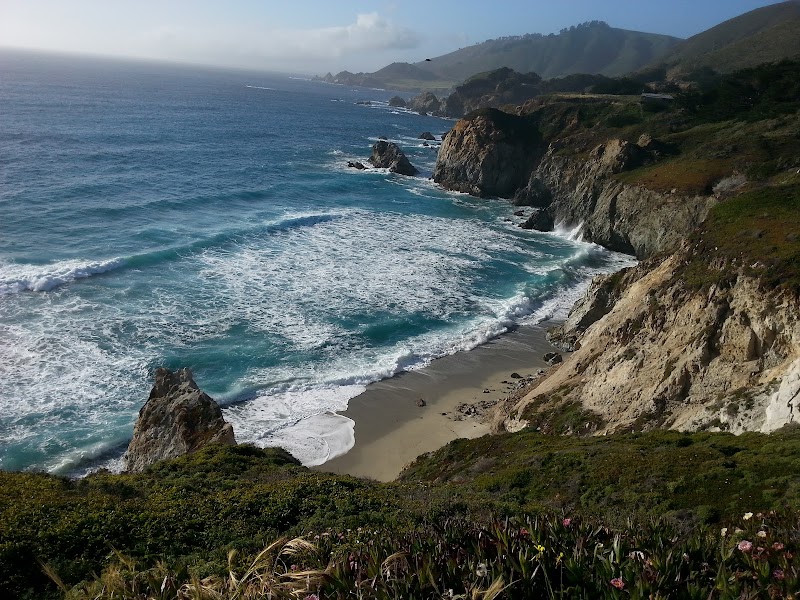
California’s landscapes invite exploration, from the rugged Pacific coastline to alpine mountain roads and sprawling desert highways. Before setting out on these scenic routes—from Big Sur’s winding cliffs to the serene forested paths near Lake Tahoe—ensuring your vehicle’s readiness is essential to maintaining comfort and safety on the road. California’s terrain is fiercely varied; your car must be an ally prepared to support the adventure, not a risk to your journey.
Start by assessing your vehicle’s state with a practical checklist. Check tire pressure and tread depth, especially if your route includes mountain passes like Highway 1 or the Sierra Nevada foothills. Uneven, sometimes gravelly terrain can test your tires’ grip and your suspension’s resilience. A well-inflated, robust set of tires not only smooths the ride but guards against unexpected flats when the pavement yields to dirt or loose rock.
Fluids—coolant, oil, brake, and windshield washer—demand attention. California’s microclimates range from humid coastal zones to dry inland valleys. Keeping these fluids topped protects your engine from overheating during strenuous stretches under the sun or cold snaps at elevation. Also, consider an emergency supply of water for both your vehicle and passengers, the latter especially vital on longer drives where services thin out.
Battery health is another cornerstone of road readiness. Power-hungry electronics, heated seats, or simply cold mornings can strain weak batteries, threatening to strand travelers. Testing your battery before departure, especially in winter months near the mountains where temperatures drop, reduces surprises.
Packing a roadside emergency kit tailored for California conditions is an act of preparation and respect for the road ahead. Include jumper cables, tire inflator, basic tools, and reflective gear. Mountain roads may hide hazard zones; coastal fog can impair visibility. With the right gear, you’re ready for these conditions without losing comfort.
Climate control systems inside your vehicle ensure that the external shifts—from cool ocean mist to scorching desert midday—don’t dictate your comfort. Confirm A/C and heater function so temperature swings don’t sap your energy or focus.
Plan your refueling stops wisely. Remote routes might seem endless; mapping out fuel and food stops ahead avoids unnecessary detours and fatigue. Consider apps with real-time updates for service stations and road conditions.
Finally, pack smart inside your vehicle. Have hydration packs or bottles within reach, and include layered clothing for sudden weather changes. Organize gear to ensure quick access to essentials during stops.
California’s roads are alive, pushing and pulling travelers through ever-changing environments. To experience these journeys fully, treat your vehicle as a partner prepared for the challenges—comfort guaranteed by foresight and respect for the road that lies ahead.
Nearby Trips
All Adventures
Boat Charters
Water Activities
Adventures near Monterey
Discover the unique and memorable adventures that make Monterey special.
Frequently Asked Questions
How often should I check my tires before a California scenic drive?
Check both tire tread depth and pressure at least a day before your trip. Since California routes can pass through rough terrain and steep grades, maintaining proper tire health reduces the risk of flats and improves handling.
What if I encounter unexpected weather changes during the drive?
California’s microclimates can shift quickly. Keep your climate control functioning well and pack layered clothes in the vehicle. Always check weather updates before departure, and be ready to adjust your schedule or route if conditions worsen.
Are off-road or gravel roads common on scenic drives in California?
Yes, especially in mountainous or forested areas like the Sierra Nevada or Big Sur. These roads can challenge tires and suspension, so proper vehicle prep and cautious driving are necessary.
What’s a good way to plan fuel stops on remote California routes?
Map out your route in advance with apps that provide live updates on gas station status. Fuel availability can be limited outside urban areas, so refuel whenever you have the opportunity to avoid running low in isolated spots.
Is an emergency roadside kit really necessary for California road trips?
Absolutely. California’s diverse and sometimes unpredictable routes expose drivers to mechanical and weather-related issues. A well-stocked kit lets you manage minor issues independently until professional help arrives.
Are electric vehicles suitable for California scenic routes?
Electric cars handle many California routes well, especially near cities with charging infrastructure. However, on more remote or mountainous roads, plan charging stops carefully and understand how elevation changes may impact battery range.
Recommended Gear
Portable Tire Inflator
Allows quick tire pressure adjustments when tackling variable terrain, improving safety and ride comfort.
Cooling and Warming Blankets
Provides extra warmth during cold stops or emergencies, especially useful at higher elevations.
Hydration Pack
Keeps water accessible during the drive, vital under intense sun or through remote stretches.
Jumper Cables
Essential for restarting your battery if it weakens, especially in cold conditions or after overspending power at rest stops.
Local Insights
Hidden Gems
- "Pfeiffer Beach’s purple sand access points for unique coastal views"
- "Little Sur River’s quiet swimming holes on less-traveled trails"
Wildlife
- "California sea otters near Monterey Bay"
- "Mule deer venturing onto forest roadside areas"
- "Red-tailed hawks soaring above mountain ridges"
History
"The historic El Camino Real traces through much of California’s coast and foothills, linking missions and settlements. Along scenic routes, remnants of early 20th-century logging camps and indigenous land use can still be glimpsed."