West Texas’ dunes challenge drivers with their ever-changing sand and weather. This guide shares essential timing strategies to match your dune driving adventure with the region’s unpredictable climate, ensuring a safe and thrilling journey.
Drive in Early Morning or Late Afternoon
Sand firms up and wind calms during these cooler hours, improving vehicle control and visibility across dune formations.
Monitor Weather Forecasts Closely
Check local wind and storm warnings hourly before and during your outing, as weather can change unexpectedly.
Reduce Tire Pressure for Sandy Terrain
Lowering tire pressure increases surface area, preventing vehicles from sinking into soft sand patches.
Carry Adequate Hydration
A gallon of water per person per half day trip is critical; the desert sun drains your energy rapidly.
Mastering Timing for Dune Driving in West Texas’ Shifting Weather

Commander Max - XTP 1000 R
2, 4, 8, and 24 Hour Rentals • Drivers Must Be 16+ Renters 21+ • Seats Up to 4 People
Experience the thrill of off-road exploration with the Commander Max - XTP 1000 R UTV in Mountain Home, Idaho. Perfect for adventure lovers seeking scenic, customizable off-road trips in a powerful vehicle.
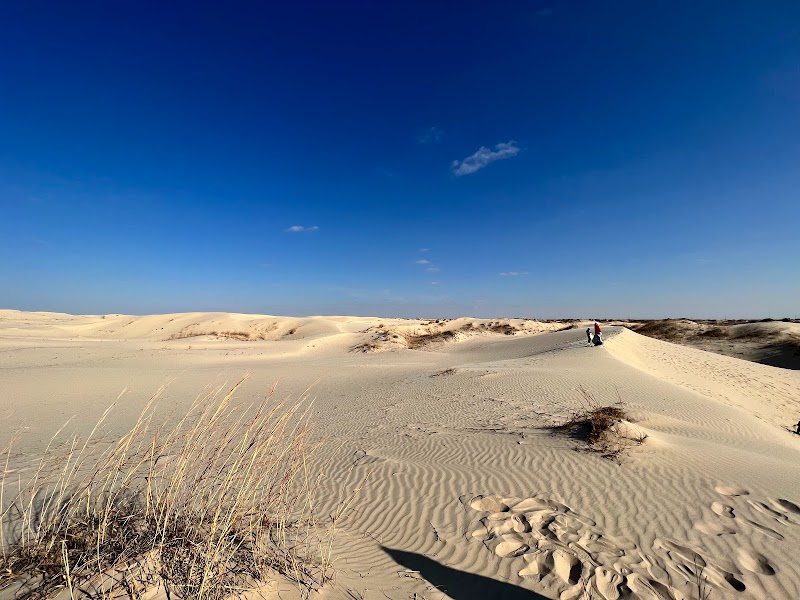
West Texas’ dunes are wild forces, their sands alive and reacting to the skies above. Driving across these vast, rolling ridges demands more than horsepower—it requires careful timing tuned to the erratic weather that can swing from blazing sun to sudden windstorms. When planning your dune driving adventure, understanding the interplay between temperature, wind patterns, and daylight hours is key to safety and fun.
The best time to hit the dunes is early morning or late afternoon when the sun’s heat softens, and the wind eases its grip. Temperatures typically hover between 60–80°F in spring and fall, providing a balance where sand remains firm without baking your tires or skin. These hours also offer longer shadows that enhance your depth perception across the seemingly uniform slopes, helping you identify dips and ridges before they challenge your vehicle.
Wind is the dune’s restless voice—it sculpts the terrain but can outpace even the best driver’s control. Storm fronts often sneak up quickly from the west, whipping sand into sharp gusts that can reduce visibility and grind progress. In summer, mid-day heat stokes thermals, stirring unpredictable winds that can trap vehicles or cause sand to pile unevenly beneath your tires. It’s wise to check local weather forecasts repeatedly, focusing on wind advisories and storm probabilities. Avoiding sudden squalls means waiting out volatile periods and adjusting your schedule by the hour if needed.
Terrain shifts fast here. Sand compaction changes with moisture; a light rain can lock dunes temporarily but also slick the surface, while prolonged dryness can deepen ripples that challenge traction. Before climbing a dune crest, spend a moment to assess the texture—soft, powdery patches signal a need for lower tire pressure and slower acceleration.
Routes are rarely marked, so a reliable GPS or compass is indispensable. East of Monahans, the dunes stretch sharp and demanding, with climbs up to 70 feet in elevation and distances between peaks that test both patience and skill over roughly 10 miles of traversable sand. Preparing your vehicle with sand-specific tires, air compressors, and recovery gear is non-negotiable.
Hydration isn’t a luxury—it’s a survival priority. Temperatures can soar, and the desert sun competes fiercely with your internal reserves. Pack at least a gallon per person for a half-day trip, and wear breathable, UV-protective clothing.
In short, success on these dunes hinges on reading the landscape and sky like a seasoned navigator. Respect the dunes' fierce independence. When timing aligns with weather’s calmer moods, dune driving in West Texas transforms into an exhilarating contest of skill and nature’s rhythms.
Nearby Trips
All Adventures
Boat Charters
Water Activities
Adventures near Monahans
Discover the unique and memorable adventures that make Monahans special.
Frequently Asked Questions
What is the safest time of day to drive on the dunes?
Early morning or late afternoon are safest due to cooler temperatures and reduced wind speeds, improving sand firmness and visibility.
How do wind conditions affect dune driving?
Strong winds can blow sand into your path, obscure visibility, and change dune shapes quickly, increasing risks of losing traction or getting stuck.
Is special training needed to drive on dunes around Monahans?
Basic off-road driving experience helps, especially understanding tire pressure management and recovery techniques in sand is important for safety.
Are there any marked trails or GPS waypoints?
Most dune areas near Monahans lack formal trails. Drivers must rely on GPS navigation and visual cues to traverse safely and avoid disorientation.
What wildlife might I encounter near the dunes?
Rattlesnakes, horned lizards, and jackrabbits are common, often sheltering during hot periods and emerging near dawn or dusk.
Are there environmental restrictions to dune driving?
Yes. Stay on designated driving areas to protect fragile desert vegetation and avoid disturbing nesting wildlife, especially during spring breeding seasons.
Recommended Gear
4WD Vehicle with Sand Tires
Specialized tires and four-wheel drive provide traction and power to conquer loose sand and steeper dune inclines.
Portable Air Compressor
Adjusting tire pressure during driving improves grip and can prevent getting stuck in softer sand pockets.
Hydration Pack or Water Containers
Ample hydration is critical to combat heat exhaustion and maintain alertness on and off the dunes.
UV-Protective Clothing and Sunglasses
Protects skin and eyes from desert sun exposure, reducing heat stress and sunburn risk.
Local Insights
Hidden Gems
- "The "Cathedral Dunes" viewpoint offers panoramic elevation peaks rarely visited by casual drivers."
- "A dry lake bed north of main dunes reveals fossilized footprints and unique sand formations."
Wildlife
- "Texas horned lizard – blending into sand with surprising speed."
- "Desert kit fox – mainly nocturnal, watch for tracks along dune margins."
History
"The dunes have long served as natural corridors for Native American tribes and later oilfield workers, with nearby Monahans historically known for its influence on West Texas oil exploration."