Moab, Utah, offers UTV enthusiasts an electrifying blend of rugged red-rock landscapes and variable weather that shapes every ride. Knowing how to navigate trail conditions and anticipate seasonal shifts is key to a safe and thrilling adventure in this desert playground.
Monitor Weather Closely
Moab’s weather can shift suddenly. Check local forecasts before heading out and avoid trails during or right after rain to prevent slick, dangerous conditions.
Hydration Is Non-Negotiable
Desert air drains moisture quickly. Pack at least one gallon of water per rider and carry extra just in case your UTV breaks down or the ride takes longer.
Prepare For Variable Terrain
Expect everything from smooth sandstone to deep sand and rocky climbs. Tire choice and suspension setup impact control and safety significantly.
Ride Early or Late
Temperatures peak midday and trails can get dusty. Mornings and evenings offer cooler temps, softer light, and quieter paths.
Navigating Weather and Trail Conditions for UTV Adventures in Moab, Utah

Polaris RZR Rental
4, 6 Hour Time Slots
Looking for an adrenaline-fueled adventure through California’s rugged Mojave Desert? Wild West Offroad Adventures offers high-performance Polaris RZR rentals perfect for conquering desert trails and challenging terrains. Gear up for an unforgettable off-road experience just a short drive from Las Vegas.
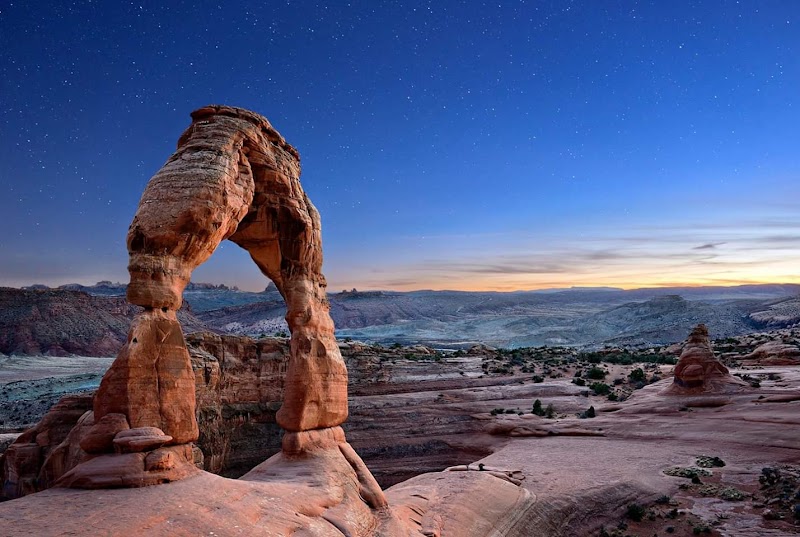
Embarking on a UTV adventure in Moab, Utah, introduces you to terrain that’s as dynamic as the shifting weather. The red-rock canyons and plateaus stretch wide, carving a playground where weather patterns demand both anticipation and respect. Spring and fall bring temperate days and cool nights, ideal for riding, while summer heat pushes the land sorely, challenging both machine and rider to endure. Winter’s chill softens the crowds but introduces slick, sometimes icy trail surfaces.
Trails such as the iconic Hell’s Revenge and Fins & Things test your skills with rocky climbs, deep sand traps, and narrow ledges. Expect elevation variations ranging from 4,000 to 5,000 feet, with occasional dips and rises that invite sudden shifts in traction. The sandstone doesn’t just mark the trail—it dares you to follow its grooves, its surfaces growing treacherous when wet, slick like polished glass.
Selecting the right time to ride is crucial. Early mornings deliver cooler temperatures and quieter trails before the desert sun ignites the landscape. Afternoon winds can stir dust and obscure visibility, while evenings transition fast from warm to cold, so layering gear is essential. Staying hydrated is a practical necessity—water isn’t just a thirst quencher here; it’s a survival tool when the desert sun beats fiercely down.
Trail conditions are a moving target; after rains, expect mud pits that cling to tires and rocks that demand careful maneuvering. Dry spells bake the soil hard but send fine dust into the air, coating your gear and taxing your respiratory system. Checking local weather reports and trail status updates can keep surprises manageable.
Footwear and safety gear aren’t just recommended—they’re the foundation of a responsible ride. Durable boots with ankle support keep you steady during frequent dismounts on uneven ground. Helmets, goggles, and gloves aren’t just accessories; they protect you from both trail debris and unexpected weather elements.
Ultimately, Moab’s trails are fiercely themselves—offering the thrill of wild exploration balanced with a need for preparedness. You don’t conquer this land; you engage with it on its terms. Respect the weather’s voice, read the trail’s cues, and let your UTV adventure rise to meet the challenge.
Nearby Trips
All Adventures
Boat Charters
Water Activities
Adventures near Moab
Discover the unique and memorable adventures that make Moab special.
Frequently Asked Questions
What’s the best way to check trail conditions before my ride?
Local UTV clubs and ranger stations often update trail conditions online. Additionally, social media groups for Moab off-roading communities provide real-time reports from recent riders.
Are there any particular wildlife encounters to expect on these trails?
Moab’s desert is home to creatures like desert cottontails, mule deer, and rattlesnakes. Watch trail edges carefully, especially at dawn or dusk when animals are most active.
How do I handle sudden weather changes while on the trail?
If clouds build or winds pick up, seek lower ground and shelter quickly. Carry waterproof gear and an emergency kit to handle unexpected rain or cold snaps.
Is it possible to get stuck in the sand, and how should I avoid it?
Deep sand pockets trap tires unexpectedly. Maintain steady momentum and avoid sudden acceleration or sharp turns. Tire pressure adjustments can improve traction.
Are guided UTV tours recommended for beginners?
Yes, guided tours offer safety, local knowledge, and navigation assistance, making them ideal for riders new to the Moab terrain or UTV driving.
What environmental guidelines should I follow while riding?
Stick strictly to marked trails to protect fragile desert soils and plants. Pack out all trash, avoid disturbing wildlife, and respect seasonal trail closures.
Recommended Gear
Protective Helmet
A robust helmet guards against falling debris, sudden stops, and harsh desert winds.
Hydration Pack
Hands-free hydration keeps you ready and reduces the risk of dehydration in hot, dry conditions.
All-Terrain Boots
Boots with ankle support and good tread keep you steady on rough, uneven ground when dismounted.
Layered Clothing
Light layers for cool mornings and warmer outerwear for sudden drops in temperature provide adaptable comfort.
Local Insights
Hidden Gems
- "Corona Arch access trail, offering fewer riders and stunning rock formations"
- "Hidden Valley overlook for expansive views without the crowds"
Wildlife
- "Desert bighorn sheep spotted on higher ridges"
- "Greater roadrunner darting through brush near trail edges"
History
"Moab’s trails pass through lands rich in Native American history and pioneer routes once used for cattle drives. Many rock art panels dot the quieter canyons, hinting at the region’s deep cultural roots."