
Moab, Utah, offers a two-day cycling trip that combines rugged desert terrain with breathtaking canyon views. This guide breaks down practical seasonal gear tips to help you prepare for changing weather and trail conditions, ensuring your ride is as rewarding as it is challenging.
Start Early to Beat the Heat
Begin your ride at dawn during warmer months to avoid midday desert heat that can drain your energy and increase the risk of dehydration.
Pack Layers for Variable Temps
Desert temperatures swing dramatically between day and night—wear breathable, moisture-wicking base layers and carry insulated outer layers for cold mornings or evenings.
Hydrate Strategically with Electrolytes
Drink at least 2 liters during the ride and replenish with electrolyte supplements to prevent cramps and maintain endurance in dry conditions.
Check Weather for Afternoon Storms
Spring in Moab may bring sudden storms; waterproof gear and a lightweight windbreaker can keep you dry and comfortable if clouds roll in.
Mastering Seasonal Gear for a Two-Day Cycling Trip in Moab, Utah

2-Day geared bike
2-Day rental
Discover Kauai’s stunning scenery on two wheels with Kauai Ebikes' private 2-Day Geared Bike Rental in Koloa. Perfect for explorers seeking an immersive outdoor adventure, this private experience offers personalized routes through lush landscapes and scenic coastlines. Book now for an unforgettable Hawaiian cycling journey!
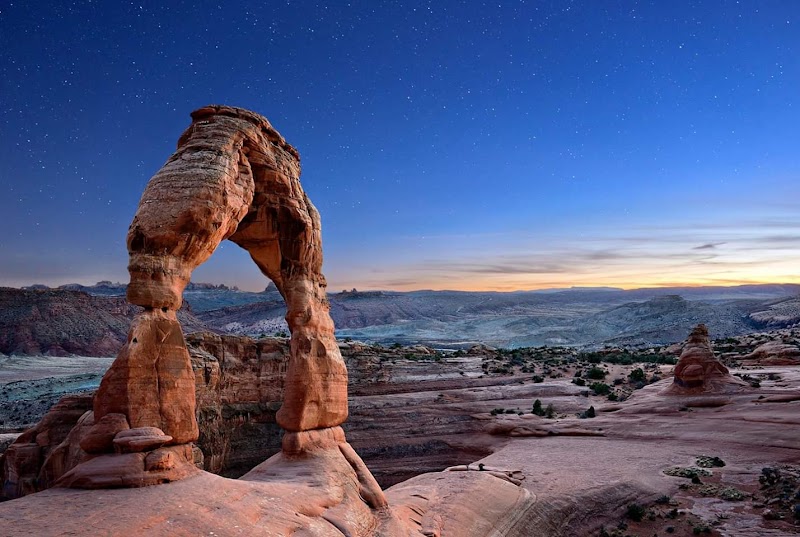
Embarking on a two-day cycling adventure around Moab, Utah invites you into a landscape fiercely itself—red rock canyons daring your wheels, desert winds pushing you onward, and trails that shift from sandy stretches to rocky climbs. The route spans roughly 50 miles with around 2,000 feet of elevation gain, threading through a mix of singletrack, gravel roads, and paved sections. You’ll engage with terrain that demands respect yet rewards with expansive desert views and the occasional whisper of cottonwood trees along the Colorado River.
Planning your gear with the season in mind ensures that this experience remains gripping but manageable. Spring rides mean early blooms and steady temperatures but bring unpredictable afternoon thunderstorms where waterproof gear earns its keep. Summer presses heat and sun intensity that can sap energy; hydration packs and breathable, UV-protective layers become your armor. Fall cools the desert, offering crisper air and softer light, yet mornings can bite—layering is key. Winter dips to chilly lows at night and brisk days, so insulated, windproof clothing plus winter cycling gloves and booties will keep you rolling comfortably.
Protective eyewear is indispensable to guard eyes from grit and intense sun, while gloves smooth vibration from rugged stretches. Footwear should strike a balance: clipless pedals provide efficiency, but trail shoes with good tread protect in tricky sandy or loose rock sections. Nightfall comes early outside peak months, so pack compact lights and reflective gear for safety.
Hydration strategy should include at least two liters during the day, with electrolyte supplements to replace what the desert demands. Fuel on energy bars, nuts, or jerky—foods that pack well and won’t crumble in your bag. Timing your ride to start early means cooler temperatures and a head start before the afternoon winds build.
Each pedal stroke here wrestles with nature’s raw forces, from canyon walls that echo your exertion to the desert breeze that alternately cools and challenges your momentum. Be ready, equipped with the right seasonal gear and mindset, to meet Moab’s cycling trails on their terms—a formidable yet exhilarating battleground for riders of all levels.
Nearby Trips
All Adventures
Boat Charters
Water Activities
Adventures near Moab
Discover the unique and memorable adventures that make Moab special.
Frequently Asked Questions
What is the best route for a two-day cycling trip around Moab?
Consider looping through the Slickrock Trail and portions of the Colorado Riverfront Trail for varied terrain and scenic views. This route covers approximately 50 miles with manageable elevation changes, perfect for a two-day itinerary.
How should I prepare for sudden weather changes?
Monitor local forecasts before your trip and pack versatile gear like waterproof jackets and layered clothing to adapt to rapid shifts, especially spring thunderstorms and winter winds.
Are there reliable water refill points on the trail?
Water sources are limited on the trail itself; plan to refill at designated spots near campgrounds or in Moab before heading out each day.
Is the terrain suitable for beginner cyclists?
The trail includes some technical sections with rocky and sandy parts requiring moderate skills; beginners should consider guided rides or stick to flatter sections.
What wildlife might I encounter on this route?
Expect to see desert-adapted species like bighorn sheep, lizards, and various birds of prey such as red-tailed hawks.
Can camping gear be safely transported on a bike?
Yes, using a sturdy bikepacking setup with panniers or frame bags allows you to carry lightweight camping essentials without compromising stability.
Recommended Gear
Hydration Pack with Electrolyte Reservoir
Maintains a steady water supply and electrolyte balance for hot, dry riding conditions.
Lightweight Waterproof Jacket
Protects against sudden rain and wind without weighing you down.
Insulated Gloves
Keeps hands warm during cold morning starts and evening descents.
Protective Cycling Eyewear
Guards eyes from sun, dust, and flying debris on varied terrain.
Local Insights
Hidden Gems
- "Corona Arch viewpoint accessible via a short detour off the main trail"
- "Quiet pockets along the Colorado Riverfront with natural hot springs nearby"
Wildlife
- "Bighorn sheep grazing on canyon ledges"
- "Scrub jays and desert wrens vocalizing among juniper trees"
History
"Moab’s trails follow corridors historically used by Native American tribes and early settlers moving through the Colorado Plateau, with petroglyph sites preserving ancient stories."