Late spring in Moab offers the ultimate river running experience as snowmelt swells the Colorado and Green Rivers, creating lively currents perfect for both novices and seasoned paddlers. Discover optimal timing, essential preparations, and the terrain’s dynamic personality to make your river adventure safe and thrilling.
Start Early to Beat the Heat
Morning runs avoid peak temperatures and provide calmer winds, making navigation easier and your experience more comfortable.
Wear Water-Friendly Footwear
Choose shoes with good traction that dry quickly to prevent slips on wet, algae-covered rocks and protect feet from sharp edges.
Hydrate Consistently
Carry a minimum of 3 liters of water per person and sip regularly to avoid dehydration in the dry climate during longer runs.
Pack a Waterproof Dry Bag
Keep phones, maps, and snacks protected from splashing water and unexpected falls into the river.
Prime Moab River Runs: Navigating Late Spring Currents

Splish & Splash
4 Hours • 6 Miles • Ages 10+
Discover the excitement of stand-up paddleboarding in Moab with this private, guided experience. Perfect for all skill levels, enjoy scenic views and a peaceful day on the Colorado River.
Late spring transforms the Moab rivers from quiet streams into lively currents daring you to engage. By mid-April through early June, snowmelt from the surrounding La Sal Mountains swells the Colorado and Green Rivers, offering ideal conditions for adventure seekers. These rivers push forward with enough vigor to energize your run, but not so aggressively as to overextend beginners or casual paddlers.
Timing is key. Early spring flows are typically too low and sluggish, causing a slow, tedious float. By late May, water peaks—chilly but thrilling—with swift sections and playful waves that demand attention and skill. The river runs range from easy 6-8 mile segments to longer, more technical stretches over 15 miles, with elevation changes subtle yet present, generally under 500 feet along the route, allowing for both tranquil glides and spirited rapids.
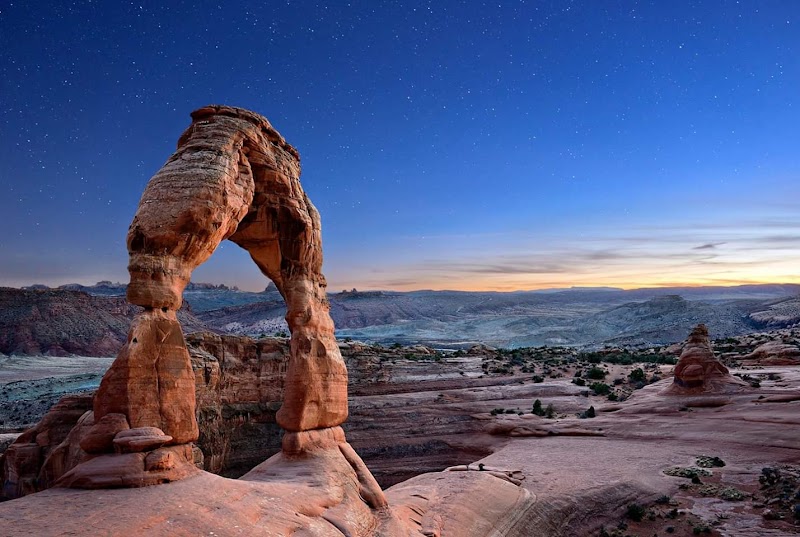
The terrain surrounding Moab’s rivers is as compelling as the runs themselves. Expect sandstone cliffs that rise sharply above, their red faces glowing in the sun, with cottonwoods and willows brushing the banks—nature’s way of outlining the course. Spring rains occasionally dab the landscape, invigorating wildflowers and adding a fresh scent to the air, while desert winds test your balance on narrower paths.
Preparation matters. Hydration is mandatory; carry at least 3 liters per person, as temperatures can escalate once midday arrives. Footwear should be water-friendly but with solid tread—rivers can be slippery with hidden rocks and algae patches. Starting early in the morning avoids the heat and guides you through the gentle morning light, perfect for navigation and photography. A waterproof dry bag to keep essentials from the river’s persistent push is essential.
Vary your experience by selecting river sections that match your skill level. The Westwater Canyon run on the Colorado River offers a moderate challenge with approximately 12 miles of mixed currents, suitable for novices with a guide. For those wanting more adrenaline, the lower sections of the Green River introduce longer rapids and tighter canyons.
Late spring river runs in Moab aren’t just a test of endurance; they're an interaction with a force that’s fiercely itself, alluring and demanding respect. Rivers here don’t yield—they engage, they flow, they dare you to keep pace. Embrace this, and your run becomes more than a trip; it’s a sharp, immersive dance with Moab’s restless waters.
Nearby Trips
All Adventures
Boat Charters
Water Activities
Adventures near Moab
Discover the unique and memorable adventures that make Moab special.
Frequently Asked Questions
When is the safest time to run Moab rivers in late spring?
Mid-April through early June offers optimal water flow—strong enough for excitement but generally stable. Avoid early spring when flows are too low and late spring floods caused by intense snowmelt or rainstorms.
Are guided river runs recommended for beginners?
Yes. Guides provide local knowledge of current conditions, river hazards, and navigation tips. They also ensure safety during faster flows typical in late spring.
Can I combine river running with hiking in Moab?
Absolutely. Many runs start or end near trailheads that connect to scenic hikes offering canyon views and wildlife spotting, making it an enriching multi-activity adventure.
What wildlife might I encounter on these river runs?
Watch for river otters, bald eagles, and various waterfowl. Spring sees increased activity as animals emerge from winter, making the experience dynamic and alive.
How cold is the water in late spring?
Chilly but manageable—usually between 45-55°F (7-13°C). Wearing quick-drying, layered clothing is essential to stay comfortable and safe.
Are there any lesser-known spots along the rivers worth exploring?
Yes, side canyons like Mineral Bottom and Fisher Towers offer quieter coves and viewpoints away from main river corridors, perfect for breaks and photography.
Recommended Gear
Waterproof Dry Bag
Protects essentials from splashing water and accidental drops into the river.
Water Shoes with Grip
Provides necessary traction on slippery rocks and comfort for wet conditions.
Hydration Pack or Bottles
Staying hydrated prevents heat exhaustion and fatigue on longer runs.
Layered Clothing
Quick-dry layers help regulate temperature as spring days shift from chilly mornings to warm afternoons.
Local Insights
Hidden Gems
- "Mineral Bottom side canyon"
- "Fisher Towers overlook points"
- "Quiet backwaters near Crescent Junction"
Wildlife
- "River otters gliding near the banks"
- "Bald eagles circling above cliffs"
- "Beavers building dams in quiet pools"
History
"Moab rivers were historically trade and travel routes for Native American tribes and later settlers, who used the waterways for transporting goods through rugged terrain."