
Cruising Southern Utah’s breathtaking vistas demands smart timing to navigate its intense sun, sharp temperature shifts, and rugged terrain safely. This guide offers practical advice on when to go, what to expect weather-wise, and how to gear up for diverse trail conditions, setting you up for a memorable and manageable adventure.
Start Early in Summer
Beat the scorching midday sun by hitting trails before sunrise. Temperatures can soar quickly, making afternoon hiking risky.
Hydrate Strategically
Carry at least 3 liters of water for half-day hikes and refill whenever possible since southern Utah’s desert climate dehydrates rapidly.
Layer Up for Temperature Swings
Pack lightweight, breathable layers to adjust to chilly mornings and hot afternoons, especially in spring and fall.
Use Footwear with Solid Traction
Rugged terrain and slickrock demand shoes that grip well against loose gravel and uneven surfaces for steady footing.
Optimal Timing and Weather Insights for Cruising Southern Utah’s Vistas

3 Day Southern Utah Custom Tour
Discover the striking landscapes of southern Utah on a personalized three-day tour with Desert Solitude. Tailor your experience to include iconic parks, hidden gems, and breathtaking vistas that define the American Southwest. Join a small group and enjoy expertly guided adventures through towering red cliffs, narrow slot canyons, and expansive desert plains—perfect for making lasting memories in one of the most visually stunning regions in the U.S.
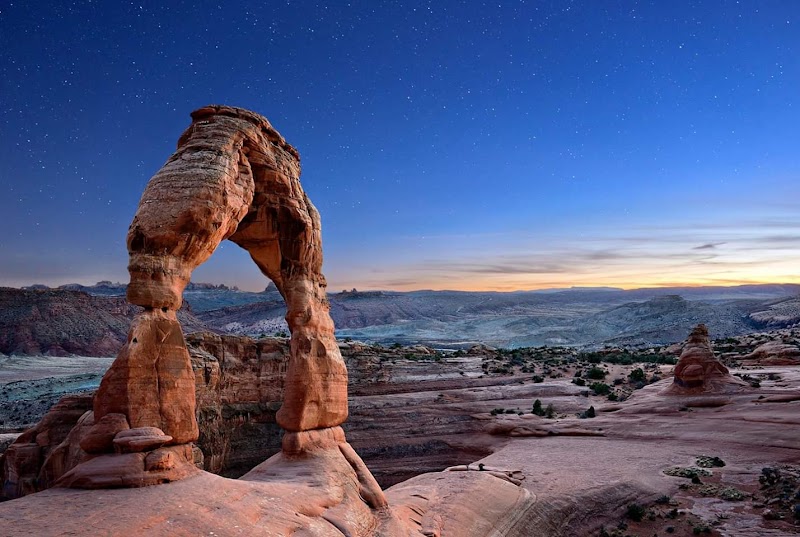
Southern Utah’s sweeping red-rock vistas offer some of the most iconic landscapes in the American West, but timing your visit right can make the difference between a demanding scramble and a smooth adventure. Spring and fall bring crisp air and moderate temperatures, ideals for hiking the undulating terrain that ranges from exposed slickrock to shaded canyon passages. Summer, while potent with heat, demands early starts and careful hydration as the sun aggressively surveys from above, pushing the landscape to burn a bright orange hue. Winter chills the canyons and mesas, softening daytime light but bringing icy patches that challenge footing.
Distances here vary from short loops under five miles to strenuous routes exceeding ten, often featuring elevation changes from 500 to 1,500 feet. Trails trace along ridges with panoramic views or dip into forested alcoves where pinyon pines and junipers offer shelter and scent. The wind, a constant agent, breathes life across the desert, daring you to stay alert and prepared. Moisture is scarce; water sources trickle reluctantly or vanish altogether, making carrying sufficient water non-negotiable.
Footwear must grip well on slickrock and loose gravel — sturdy hiking shoes or light boots excel here. Start hikes early in hotter months to dodge midday heat that can barrel down suddenly, turning dry washes into demanding zones where shade is tentatively granted. Layers come into play as evenings cool rapidly, especially in fall and spring, when temperature swings are sharp.
Planning your trip with weather in mind ensures you engage the environment respectfully. The reds and tans of the sandstone become intensely vivid with clear skies but dull under cloud cover or rain. Sudden afternoon thunderstorms might fill dry rivers with rushing currents willing you to turn around. This landscape is fiercely itself—a force to heed, never to conquer. Harness the rhythm of Southern Utah and prepare for a rewarding journey into its vast, shifting vistas.
Nearby Trips
All Adventures
Boat Charters
Water Activities
Adventures near Moab
Discover the unique and memorable adventures that make Moab special.
Frequently Asked Questions
When is the best time to hike to avoid extreme heat?
Early spring and fall offer the most comfortable temperatures. In summer, start hikes before dawn to avoid the sun’s peak heat and reduce risk of heat exhaustion.
Are there reliable water sources along the trails?
Natural water sources are rare and unreliable; always carry your own water. Several trailheads have potable water but should not be solely relied upon.
What wildlife should hikers watch for?
Expect to see mule deer, lizards basking on rocks, and birds like ravens and hawks. Be cautious of rattlesnakes especially from spring through fall during warm parts of the day.
Are there any restrictions or permits required for hiking?
Most popular trails require no permits but check with local land management agencies for updated regulations, especially in protected wilderness or park areas.
Can sudden weather changes occur during hikes?
Yes, afternoon thunderstorms and wind gusts can arise quickly, especially in spring and summer. Always check weather forecasts before heading out and be prepared to adjust plans.
What makes Southern Utah’s terrain challenging?
Shifts between slick sandstone, loose gravel, and narrow canyon passages demand agility, awareness, and appropriate footwear; it’s a landscape that tests but doesn’t overwhelm.
Recommended Gear
Sturdy hiking boots
Grip and ankle support are crucial for rocky and uneven terrain common in southern Utah’s trails.
Hydration system or water bottles
Ample water supply prevents dehydration in dry, hot conditions where natural water sources are scarce.
Lightweight layered clothing
Allows you to adapt quickly to fluctuating temperatures from chilly mornings to warm afternoons or cold winter winds.
Sun protection (hat, sunscreen, sunglasses)
The desert sun can be intense year-round; protecting your skin and eyes is essential.
Local Insights
Hidden Gems
- "Corona Arch viewpoint just off the more trafficked trails offers dramatic angles without the crowds."
- "Secret canyon side pools that catch rainwater but dry quickly, perfect for a quick cool-down in spring."
- "Petroglyph panels hidden along less maintained paths deliver cultural depth to your hike."
Wildlife
- "mule deer"
- "desert bighorn sheep"
- "western rattlesnake"
- "collared lizard"
- "golden eagle"
History
"The region holds deep ancestral ties to Indigenous peoples like the Navajo and Ute, whose rock art and trails still mark many areas. Early settlers and explorers shaped access points, blending natural history with human stories."