Moab offers some of the Southwest’s most challenging and scenic terrain for UTV rentals, where timing your visit is key to balancing heat, trail conditions, and adventure. Learn how to plan your trip around seasonal shifts, weather hazards, and local terrain to make the most of every ride.
Plan for Early or Late Rides in Summer
Avoid the intense midday heat by scheduling rides during cooler morning or evening hours to stay safe and comfortable in high temperatures.
Carry Extra Water and Electrolytes
The dry desert air demands higher hydration; pack at least two liters per rider and consider electrolyte supplements to prevent dehydration.
Check Weather and Trail Conditions Daily
Spring rains and winter freezes can quickly change trail safety and accessibility; verify local conditions before you head out each day.
Wear Protective Gear for Rocky Terrain
Sturdy boots, gloves, and helmets protect against rough rocks, thorns, and dust that challenge your control while riding moab’s slickrock and rugged dirt tracks.
Navigating Time and Terrain: Best Seasons and Weather Tips for UTV Rentals in Moab

24 Hour UTV Rental
From $359 • Seats 2 People
Discover the thrill of driving your own UTV through Utah’s stunning red-rock landscapes with Canyonlands by Night and Day. Perfect for a self-guided adventure, their 24-hour rental offers the freedom to set your own pace and visit hidden gems around Moab.
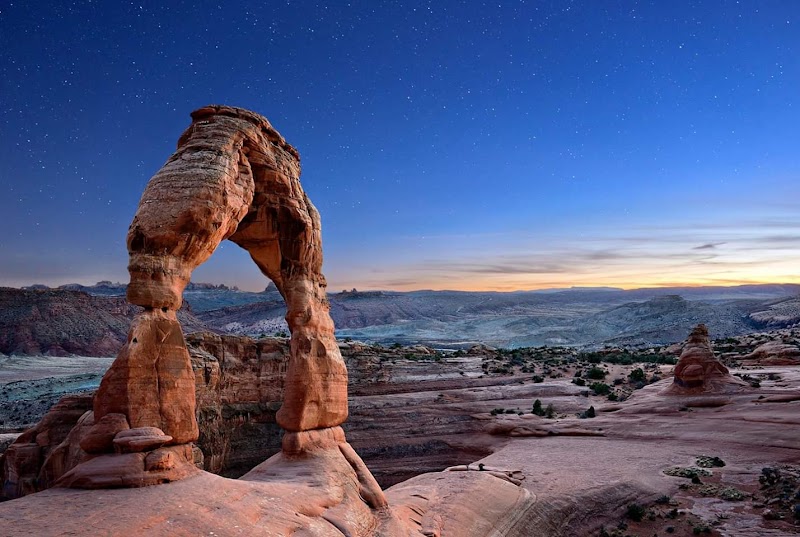
Moab’s rugged landscape, carved into vibrant red rock and sweeping canyons, tempts every off-road adventurer to mount a UTV and explore its fierce beauty. But timing your visit right isn’t just a convenience—it’s central to taming this wild terrain. The high desert climate swings from chilling winters to blistering summers, each season writing a different chapter in your ride’s story.
Spring (March to May) opens with a forgiving balance: temperatures hover between 60-80°F, coaxing the earth’s dormant colors back into crisp focus. Trails like Hell’s Revenge soften under winter’s retreat, offering a rush without the extremes. Morning rides catch the desert waking up, with creosote bushes exhaling their pungent scent and wildflowers daring you to linger. However, quick spring showers can turn sandy tracks into sticky traps—carry tire chains or be ready for slower maneuvers.
Summer (June to August) scorches the landscape, pushing highs past 100°F. The sun feels relentless, and the desert dares you to challenge its heat. Early morning and late afternoon slots are your friends. Aim to avoid the midday furnace, when the ground seems to shimmer and the air hangs heavy, pressing against your gear. Stay hydrated: every rider should pack at least two liters of water and salt supplements to match the desert’s dry appetite. Protective goggles keep sandstorms at bay, which can erupt without warning.
Fall (September to November) is Moab’s second prime slot. Temperatures dip back into a manageable 70-85°F range, the light softening to a golden hue that sharpens every rock face and canyon rim. Trails dry out again, making traction reliable. Wildlife becomes more visible with cooler weather—keep an eye out for curious desert bighorn sheep that sometimes cross quieter paths.
Winter (December to February) offers crisp, clear days but unpredictable road conditions. Nighttime freezes can harden dirt trails into brittle stretches, and snow occasionally dusts the high rims. Though rides are quieter, some routes may close or require four-wheel drive skill to navigate ice patches and mud pockets. Dress in layers: moisture-wicking base layers and insulated outerwear are essential to handle fluctuating temperatures from dawn chills to midday warmth.
The physical challenge of Moab’s UTV trails ranges from moderate to difficult. Expect uneven rock gardens, steep climbs, and sudden drops that test technical ability and control rather than brute strength. Rides typically last 2-4 hours depending on chosen routes, with distances averaging 10-20 miles through shifting sand, slickrock, and dusty washes.
Packing the right gear sets you up for success: sturdy boots with ankle support, breathable layered clothing, a reliable helmet, and gloves to manage throttle precision and protect against desert thorns. Map your timing to avoid heat waves and sudden weather changes; Moab’s desert is fiercely itself—vibrant, demanding, and ready for those who respect its rhythm.
Ride prepared. Respect the land’s voice—whether it whistles through canyon corridors or roars under your wheels—and Moab will reward you with an adventure that's both thrilling and unforgettable.
Nearby Trips
All Adventures
Boat Charters
Water Activities
Adventures near Moab
Discover the unique and memorable adventures that make Moab special.
Frequently Asked Questions
When is the best time of day to ride a UTV in Moab?
Early mornings and late afternoons are optimal, especially in summer, to avoid extreme heat. Cooler hours enhance comfort and reduce dehydration risk.
Are UTV rentals suitable for beginners in Moab?
Many rental companies offer beginner-friendly tutorials and easy trail options, but familiarity with basic off-road controls and safety gear is recommended.
How should I prepare for sudden weather changes in Moab?
Bring layered clothing, check updated forecasts before heading out, and be prepared to shorten or alter your route if heavy rain or high winds appear.
Are there any restricted areas when using UTVs in this region?
Yes, certain trails and protected areas prohibit motorized vehicles to preserve fragile ecosystems. Always check local guidelines and use designated routes.
What wildlife might I encounter during a UTV ride in Moab?
Desert bighorn sheep, lizards, and various birds are common. Observe from a distance and avoid disturbing their habitats.
Is it necessary to bring my own UTV equipment or can I rent everything on-site?
Most rental shops provide full gear—including helmets and goggles—but double-check specifics and bring personal items like gloves and hydration packs if possible.
Recommended Gear
Helmet
Protects your head from impacts and debris during rocky and uneven sections.
Hydration Pack
Keeps water accessible and helps maintain hydration under intense desert heat.
Sturdy Ankle-Support Boots
Offers stability and protection on uneven, jagged terrain common on Moab trails.
Layered Clothing
Allows adjustment to temperature swings, from chilly mornings to warm afternoons.
Local Insights
Hidden Gems
- "Dead Horse Point overlook off main trails for panoramic canyon views"
- "Secret slickrock patches less traveled by commercial tours"
- "Quiet stretches near the Colorado River inviting for a break"
Wildlife
- "Desert Bighorn Sheep"
- "Western Rattlesnake (avoid during warm months)"
- "Golden Eagles soaring above canyon rims"
History
"Moab carries deep Native American roots with ancient petroglyphs visible near some trailheads, alongside remnants of 19th-century mining operations."