Utah’s desert parks demand more than a visit—they require insight into the seasons that shape every hike. From spring blooms to winter’s quiet sharpness, timing your trip can mean the difference between a comfortable adventure and a battle against the elements. This guide helps you read the desert’s changing moods and prepare accordingly.
Start Early or Late in Summer
Avoid midday heat by hiking either before 9 AM or after 4 PM when temperatures are lower and the desert cools down.
Carry Minimum 3 Liters of Water
Desert heat demands hydration; bring enough water to stay ahead of thirst, especially on hikes over 3 miles.
Wear Layered Clothing
Desert temperatures swing wildly—layers protect you from cold mornings and scorching afternoons.
Watch for Flash Floods in Spring and Summer
Monsoon storms can swell dry washes quickly; always check weather reports and avoid slot canyons during rain.
Mastering the Clock: Best Seasons to Explore Utah’s Desert Parks

4 Day Arches, Canyonlands, Goblin Valley & Capitol Reef
4 Days • All Ages • Up to 6 People
Discover Utah's spectacular landscapes on a four-day luxury tour through Arches, Canyonlands, Goblin Valley, and Capitol Reef. Comfort meets adventure as knowledgeable guides lead you through some of the state's most iconic and breathtaking scenery, enhanced by gourmet meals and luxurious lodging.
Utah’s desert parks stand as fierce forces of nature, their sandstone cliffs and sweeping canyons shaped by wind and light that challenge your timing as much as your stamina. Choosing when to visit isn’t just about beating crowds—it’s about reading the seasons and preparing for the elements that define the adventure’s pace.
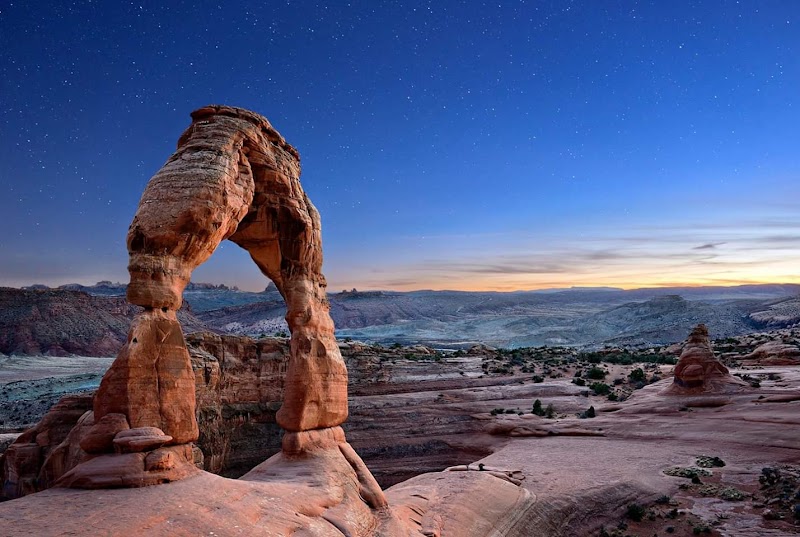
Spring (March to May) offers mild temperatures hovering between 60-80°F, when desert blooms awaken and red rock faces glow with fresh colors. Trails like Delicate Arch (3 miles round trip, 480 ft elevation gain) feel alive beneath open skies as coyotes and lizards alert you to the awakening landscape. This is prime time for hiking, but beware sudden afternoon storms which can turn dry washes into roaring streams.
Summer (June to August) demands respect—temperatures often soar past 100°F. The sun dares you to move fast, water bottles must be full, and hikes should start early or late to avoid the heat’s unforgiving grip. Trails like Devil’s Garden in Arches (7.2 miles, 1,000 ft gain) test endurance with exposed slickrock and scarce shade. Hydration packs and UV protection become essentials. Monsoons kick in late July, bringing sudden lightning storms that remind you how raw this land is.
Fall (September to November) balances cool mornings with warm afternoons and reduced crowds. The golden light softens the desert, turning canyons into pockets of honeyed warmth perfect for extended explorations. Trails like Canyonlands’ Mesa Arch (0.5 mile loop, minimal elevation) provide easy, rewarding vantage points at sunrise when the arch frames a sky ignited in fire. The crisp air carries the scent of pinion pines nearby, inviting longer treks before winter’s approach.
Winter (December to February) challenges even seasoned adventurers with temperatures that dip below freezing at night and occasional snow dusting the higher rims. Sunlight is weaker but clearer, casting sharp shadows that carve the landscape in high contrast. Shorter days mean tighter schedules; dress in layers and plan for less water availability. Some routes may be icy, like the upper trails in Zion’s Kolob Canyons. Those ready for solitude and stillness will find a desert park quietly powerful.
When plotting your trip, consider terrain and elevation. Most desert trails are moderate but unforgiving: unshaded, rocky, and exposed to constant sun or wind. Proper footwear with ankle support and grit-resistant soles, ample water (at least 3 liters per person on longer hikes), and sun gear aren’t negotiable. Knowing your limits with distance and elevation gain keeps your adventure safe and enjoyable.
Every season in Utah’s desert parks offers a handshake from a land fiercely itself—raw, wild, and patient for those prepared to meet it. Timing your visit is about reading that handshake and matching your pace to its rhythm, ensuring every footstep honors the desert’s pulse.
Nearby Trips
All Adventures
Boat Charters
Water Activities
Adventures near Moab
Discover the unique and memorable adventures that make Moab special.
Frequently Asked Questions
What is the best time of day to hike in Utah’s desert parks?
Early mornings and late afternoons offer comfortable temperatures and softer light for photography. Summer days demand very early starts or evening hikes to avoid intense heat.
Are there any flash flood risks while hiking?
Yes. Flash floods are common in narrow canyons during spring storms and summer monsoons. Always check weather forecasts and avoid slot canyons if rain is predicted.
How much water should I bring on desert hikes?
At minimum, carry 3 liters per person for hikes over three miles. Increase this in summer or on longer routes where no refill stations exist.
Are pets allowed on Utah desert trails?
Most parks allow pets on leashes but keep them on trails to protect fragile vegetation and prevent encounters with local wildlife such as rattlesnakes.
What wildlife might I see during the hikes?
Look for desert bighorn sheep, coyotes, lizards, and a variety of birds such as ravens and red-tailed hawks, especially during cooler seasons when animals are more active.
Is camping allowed inside the parks?
Camping is permitted in designated campgrounds within most parks but not on all trails. Backcountry permits are required for dispersed camping; regulations vary by park.
Recommended Gear
Hydration Pack
Allows continuous water access during long, hot hikes where dehydration risk is highest.
Hiking Boots with Ankle Support
Protects feet and ankles on rocky, uneven desert terrain prone to slips and twists.
Sun Hat and UV-Protective Clothing
Shields skin from intense sun, reducing sunburn and heat stress on exposed trails.
Insulating Layer
Needed to stay warm during chilly mornings, evenings, and potential cold snaps.
Local Insights
Hidden Gems
- "Landscape Arch in Arches National Park – a quiet morning spot with dramatic views"
- "Corona Arch Trail near Moab – less crowded and impressive sandstone formations"
- "Big Spring Canyon Overlook in Canyonlands – a rarely visited panorama"
- "Fisher Towers hiking trail – stunning vertical rock spires for climbers and hikers"
Wildlife
- "Desert bighorn sheep"
- "Golden eagles"
- "Collared lizards"
- "Gila monsters (rare, usually hidden)"
History
"These parks contain ancient petroglyphs and archaeological sites from the Ancestral Puebloans, alongside more recent mining history that shaped local settlement patterns."