Moab’s dynamic rivers offer kayaking adventures that blend thrilling rapids with quiet stretches of flatwater. Understanding river conditions here is key to a safe and exhilarating paddle, making this guide essential for adventurers eager to navigate these waters confidently.
Monitor River Flow Rates
Check current cubic feet per second (CFS) readings before your trip to anticipate river speed and difficulty levels.
Scout Rapids Early
Arrive at rapids ahead of time to assess hazards and plan your best path; rushing unprepared escalates risk.
Time Your Runs
Kayak morning or late afternoon to avoid strong winds and midday heat, which can alter river behavior.
Hydration & Nutrition
Carry plenty of water and electrolytes; Moab’s dry climate accelerates dehydration during exertion.
Mastering Moab’s River Currents: A Guide to Kayaking Adventures
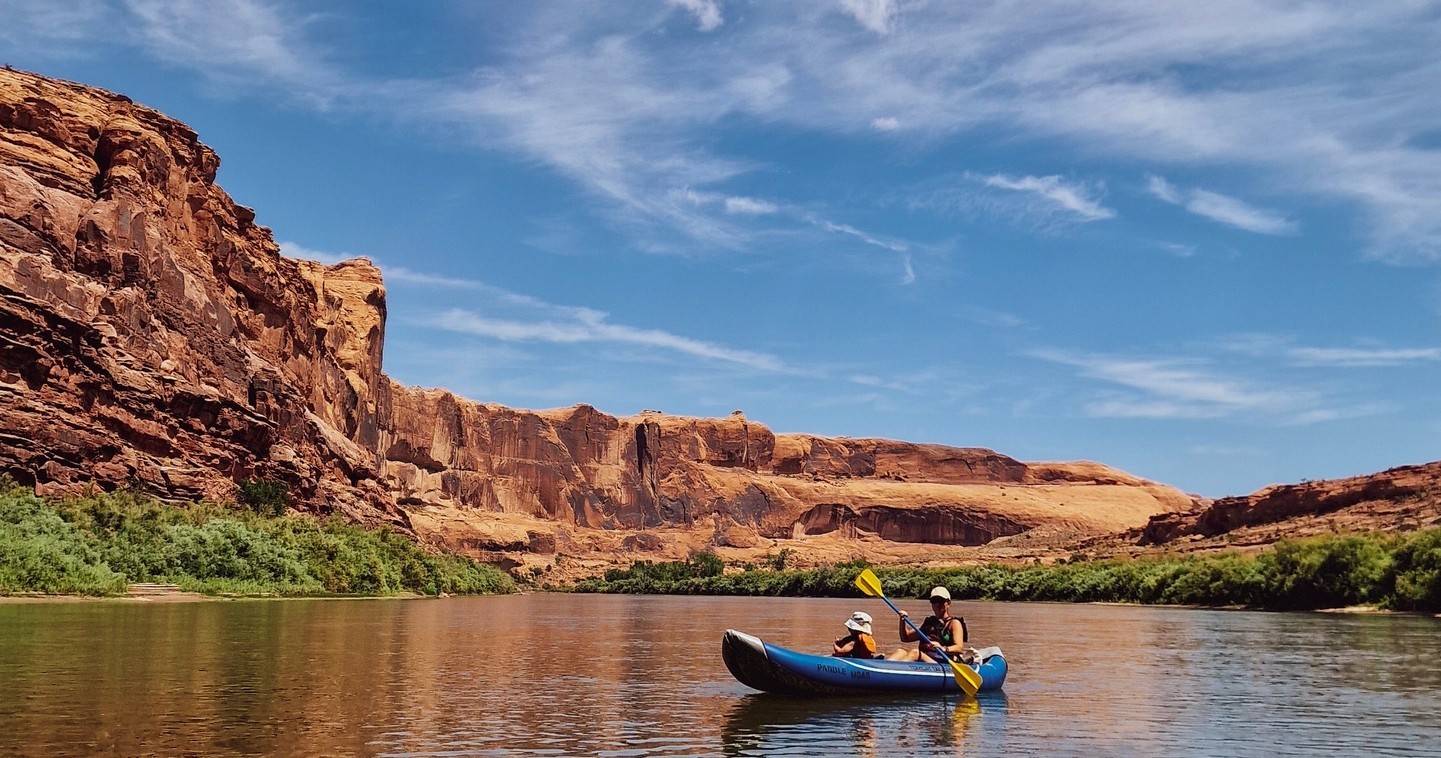
Kayak Rental & Ride Package
8AM-5PM • All Ages
Discover the thrill of paddling down the Colorado River with Paddle Moab’s flexible kayak rental and shuttle packages. Perfect for all skill levels, this self-guided trip offers unparalleled views and outdoor adventure in Utah’s striking desert landscape. Read on to learn more about this unique way to experience Moab’s natural beauty.
Moab’s redrock canyons cradle a network of rivers that invite kayakers to engage with currents as alive as the landscape itself. The Colorado and Green Rivers push forward with character—sometimes playful, sometimes fierce—daring you to match their rhythm. Reading these waters is less about conquering and more about respecting a force that’s fiercely itself.
Before entering the flow, understand your stretch. Segments near the town of Moab range from calm, flatwater rides to Class III rapids that sharpen the senses and demand focus. For instance, Lower Cataract Canyon covers roughly 15 miles with sustained rapids and technical drops, while the safer upper sections lean more toward exploratory paddling.
Current velocity swells in spring with snowmelt, turning placid pools into swift challenges. Summer’s heat slows the flow, revealing sandbars and narrow channels, requiring padded strokes over brute strength. Keep an eye on the river gauge online prior to your trip; a steady flow between 1,000 to 3,000 cubic feet per second offers an optimal balance of excitement and control.
Weather directly influences water levels and hazards. Afternoon winds, frequent in Moab, can whip waves into unpredictable patterns—plan your runs early, and scout rapids from shore when possible. Bring waterproof maps or GPS to track river mile markers, preventing surprises on longer expeditions.
Gear selection reflects river conditions—wear a helmet and a high-buoyancy life jacket rated for swift currents. A spray skirt helps keep the inside of your kayak dry when whitewater plays rough, while river shoes offer grip on slippery rock entries and exits.
Hydration is crucial; the desert sun can wear you down quicker than the river itself. Equip yourself with a hydration bladder secured within your pack or cockpit, and pack electrolyte replacements for long days pushing through heat and exertion.
Local resources offer invaluable insight—Moab outfitters and guides frequently monitor river conditions and share up-to-date trail-to-water info. Their advice can transform uncertainty into confidence, turning a challenging run into an achievable thrill.
The river's personality changes with every bend and rapid. Your safest companion is knowledge—of water behavior, weather patterns, and the terrain around you. Respect the river’s pace, trust your skills, and let Moab’s waterways unfold their rugged stories beneath your paddle.
Nearby Trips
All Adventures
Boat Charters
Water Activities
Adventures near Moab
Discover the unique and memorable adventures that make Moab special.
Frequently Asked Questions
What is the best way to check current river conditions before kayaking in Moab?
Use online resources like the USGS river gauge stations and local outfitters’ updates. These provide real-time data on water flow rates, helping you assess safety and difficulty.
Are guided kayak trips recommended for beginners on Moab rivers?
Yes. Guided trips offer valuable local knowledge, safety support, and coaching, especially useful in sections with tricky rapids or unfamiliar terrain.
What hazards should kayakers be prepared for on Moab rivers?
Look out for swift currents, hidden rocks, sandbars that can alter routes, sudden wind gusts, and temperature fluctuations. Always scout rapids and never paddle alone.
How do seasonal changes affect river kayaking in Moab?
Spring’s snowmelt increases water volumes and rapid intensity. Summer brings low flows and heat, fall offers moderate conditions, and winter calls for layered gear due to colder temps.
Are there any restrictions or permits needed for kayaking on Moab rivers?
Some river sections within national parks require permits or reservations. Check with the National Park Service or Bureau of Land Management ahead of your trip.
Can I kayak year-round in Moab?
Yes, but conditions vary widely. Winter paddling needs more preparation for cold and potentially icy banks, while spring demands respect for increased flow rates.
Recommended Gear
Helmet
Protects your head from rocks and sudden impacts, especially important in rapids.
Personal Flotation Device (PFD)
A high-buoyancy life jacket designed for swift water is critical for safety.
Spray Skirt
Keeps water out of the kayak during rough conditions to maintain stability and dryness.
Hydration System
A hydration bladder or bottles secured onboard help you stay hydrated under the desert sun.
Local Insights
Hidden Gems
- "Bowtie Rapid overlook offers a rarely visited vantage point to watch paddlers negotiate churning waves."
- "Potash Road access points provide quieter launch spots away from busy docks."
Wildlife
- "River otters and great blue herons frequent calmer pools; watch for raptors circling the canyon walls."
- "Desert bighorn sheep can sometimes be spotted along adjacent cliffs."
History
"The rivers around Moab were essential to the Ute and Paiute peoples, providing routes and resources. Later, they served as channels for early explorers and miners shaping the region’s development."