
Moab’s rugged trails and iconic red rock landscapes offer a bike adventure that thrives on perfect timing. Learn how to harness the shifting light over 24 hours to ride smarter, stay safe, and see this wild terrain at its most vivid.
Start Early for Cooler Trails
Begin your ride just before sunrise to enjoy cooler temperatures and soft light that reveals the trail’s technical features clearly.
Hydrate Strategically
Carry at least 3 liters of water and know refill spots near the Colorado River and visitor centers to prevent dehydration under the desert sun.
Use Layered Clothing
Temperatures drop sharply after sunset; bring lightweight layers to adjust quickly from warm days to cold nights.
Night Riding Preparedness
Equip your bike and helmet with reliable lighting; the trail can become hazardous quickly in the dark, and navigation is key.
Mastering Light: Timing Your 24-Hour Bike Adventure in Moab, Utah

Daily Rental • Road Bikes
All ages • 24 hour rental
Looking for a flexible way to enjoy Costa Mesa’s outdoor scene? Rent a well-tuned road bike from The Cyclist Bike Shop and hit the open road at your own pace. Perfect for casual outings or longer adventures, their rentals make cycling accessible and fun for everyone.
Embarking on a 24-hour bike adventure in Moab, Utah, demands more than just stamina—it calls for a deep respect for the dance of light and landscape. The Arches and Canyonlands area around this high desert city offers sharp contrasts of shadow and sun, creating a natural rhythm that challenges you to time your ride wisely. Covering roughly 80 miles with an elevation gain close to 5,000 feet, this route weaves through slickrock trails, sandy stretches, and rocky climbs that test both your stamina and your ride skills.
Start close to dawn to catch the first pink blush spreading over the red rock spires. This glow isn’t just beautiful; it gives you a cooler window to tackle the steep sections near Corona Arch or the technical slickrock slabs around the Gemini Bridges trail. The morning light bends with the curves, revealing hidden pockets of shade from juniper trees and scrub oak that dare you to pause and breathe.
Midday is the zone to recharge. The desert sun grows fierce, pushing the heat like a silent force. Here, practical stops matter: a shady spot near the Colorado River or a covered bench at the Slickrock Visitor Center. Keep your hydration strategy airtight—aim to drink regularly, and know where refill points are. Footwear should have solid grip and venting, suited to the temperature swings and sharp terrain.
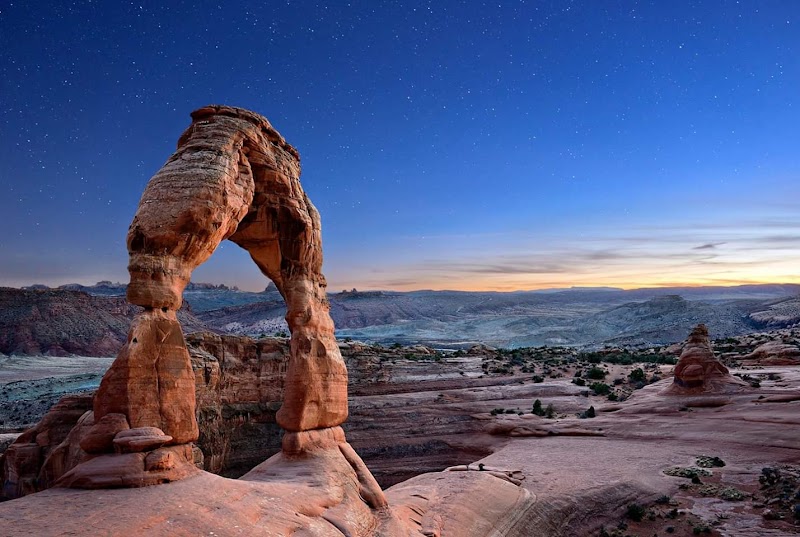
As afternoon fades, position yourself for that golden hour when the valley’s reds and oranges blur, and shadows start to stretch. Trails like the Potash Road switchbacks come alive with a fiery glow, while river currents below beckon with cool, inviting murmurs. Time your effort to be on elevated viewpoints around sunset to capture sweeping views and crisp silhouettes. Nightfall arrives quickly here; bring powerful lights and know your route intimately to respect the desert’s sudden shift to cold and quiet.
In this place, nature writes the rules. The ridges, rocks, and rivers aren’t passive backdrops but dynamic participants daring you onward and demanding respect. By syncing your cycling pace to the light—early warmth, midday pause, late glow—you not only ride smarter but immerse yourself fully in Moab’s rugged pulse. Preparation meets adventure in this timed balance, transforming a ride into a seamless encounter with a desert alive and fiercely itself.
Nearby Trips
All Adventures
Boat Charters
Water Activities
Adventures near Moab
Discover the unique and memorable adventures that make Moab special.
Frequently Asked Questions
What time of day provides the best light for photography during the ride?
The golden hour—shortly after sunrise and before sunset—offers the richest, warm tones that emphasize Moab’s red rocks and shadows. Mid-morning and late afternoon are prime for balanced exposure.
Are there any safe water refill points along the route?
Yes, key refill stations include the Colorado River area near Potash Road and the visitor centers at Slickrock and Arches. Plan your hydration stops around these to avoid running low.
Is night riding safe on these trails?
Night riding is possible but requires strong lights, familiarity with the terrain, and caution for sudden obstacles. Temperatures drop fast and navigation becomes challenging.
What wildlife might I encounter during this adventure?
Watch for desert bighorn sheep on rocky ridges, red-tailed hawks circling overhead, and smaller critters like lizards and jackrabbits active near dawn and dusk.
Are there any lesser-known viewpoints worth stopping at?
Yes, the lesser-traveled Green River Overlook offers sweeping vistas without the crowds found at main park viewpoints, rewarding those willing to explore off the beaten path.
How harsh are the terrain and elevation changes?
Expect a rugged mix: slickrock patches require technical skill, sand slows progress, and climbs are steady with some steep sections reaching 500 feet elevation gain over short distances.
Recommended Gear
Hydration Pack
Essential for carrying adequate water and supplies, especially in the arid summer heat where frequent hydration is critical.
Helmet with Mounted Light
Combines safety with necessary illumination for night riding; bright LEDs enhance vision on rocky, uneven trails.
Breathable Cycling Gloves
Protects hands from vibration and enhances grip; breathability keeps comfort in fluctuating temperatures.
Layered Clothing System
Allows swift temperature regulation as the desert cools quickly after sunset, preventing chill over long hours.
Local Insights
Hidden Gems
- "Green River Overlook"
- "Gemini Bridges Trail"
Wildlife
- "Desert bighorn sheep"
- "Red-tailed hawks"
- "Lizards"
- "Jackrabbits"
History
"Moab blends deep Native American history with early mining settlements. Petroglyphs at nearby sites hint at ancient connections to the land."