Multi-day hikes in Arches and Canyonlands expose adventurers to dramatic sandstone formations and sprawling desert canyons. This guide covers essential gear and practical tips to tackle the demanding, beautiful terrain safely and comfortably.
Prioritize Hydration
Water sources are scarce; carry at least 4 liters per day and use a reliable filtration system if refilling from natural springs or streams.
Footwear With Traction
Use trail runners or boots with excellent grip to handle slickrock and uneven sandstone surfaces safely.
Start Early or Late
Avoid midday heat by hiking during early mornings or late afternoons to maximize comfort and capture stunning lighting.
Navigation Backup
Don’t rely solely on cell service; carry offline maps, compass, or GPS device to navigate remote areas confidently.
Gear Essentials for Multi-Day Hikes in Arches and Canyonlands

Arches / Canyonlands Two Day Private Tour & Hike
Two days in both Arches & Canyonlands National Parks.
Discover the dramatic landscapes of Arches and Canyonlands on a personalized two-day tour with gourmet picnics, expert guides, and exclusive access to iconic sights. Perfect for those wanting an in-depth adventure in Utah’s red rock country.
Embarking on a multi-day hike through Arches and Canyonlands National Parks means engaging with landscapes that are fiercely sculpted by time and nature. These parks challenge with their rugged sandstone arches, deep canyons, and expansive desert horizons. Distances vary but expect hikes ranging from 12 to 25 miles over varied terrain—slickrock, sand, and rocky trails—with elevation changes up to 1,000 feet. The desert sun commands respect, and water sources dare you to plan meticulously.
Start with reliable, well-broken-in footwear—trail runners or lightweight hiking boots with good traction and support will protect you from uneven surfaces. A sturdy, comfortable backpack between 40 and 50 liters balances carrying sufficient gear without overburdening. Hydration is non-negotiable in this dry heat; a capacity of at least 4 liters per day is recommended, paired with a filtration system if you plan to refill from sparse natural sources.
Layering is key: warm mornings giving way to blistering midday sun and cool desert nights demand versatile clothing. Breathable, moisture-wicking fabrics combined with sun protection like wide-brim hats and UV-blocking sleeves keep you safe. A reliable sleeping system suits desert conditions where temperatures can swing sharply at night—mummy bags rated for 30-40°F and compact sleeping pads to shield you from cold, hard ground.
Navigation tools beyond your smartphone are essential. Maps, a compass, or GPS device with downloaded offline trails account for variable signal coverage, especially in Canyonlands' remote sectors. Don’t forget basic repair kits, a multi-tool, and a first aid kit to tackle minor injuries or gear issues in stride.
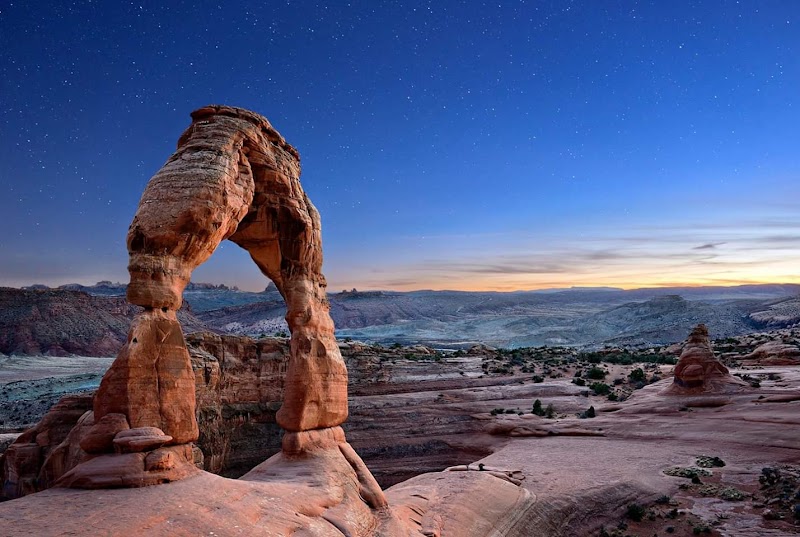
Timing your hike early morning or late afternoon can help avoid punishing midday heat and allows for the opportunity to witness spectacular sunrises and sunsets as the rocks glow in a deep ochre fire. Nighttime skies here are famously clear, turning the vast dark into a canopy of stars, reminding you that this wild land moves to its own rhythm, not ours.
Pack light but smart—each item earns its place by function. Hydration, protection, shelter, and sustenance form your foundational pillars. Respect the complex terrain and shifting weather, and these two parks will deliver an unforgettable encounter with nature’s raw, untamed character.
Nearby Trips
All Adventures
Boat Charters
Water Activities
Adventures near Moab
Discover the unique and memorable adventures that make Moab special.
Frequently Asked Questions
What is the best way to stay hydrated during long hikes here?
Carry at least 4 liters of water daily and consider a portable water filter or purification tablets to refill from rare natural sources like the Colorado River or springs. Plan water caches if possible, as many trails lack reliable water.
Are permits required for overnight hikes in Arches and Canyonlands?
Canyonlands backcountry camping requires permits, which can be reserved online, while Arches allows overnight backpacking in designated spots on a first-come, first-served basis. Always check current regulations before departure.
What wildlife might hikers encounter?
Expect to see desert dwellers such as mule deer, coyotes, and lizards. Early mornings and evenings may reveal foxes or bobcats. Raptors like red-tailed hawks patrol the skies.
How technical are the trails for multi-day hikes here?
Most trails demand solid navigation skills and stamina due to rough terrain and elevation, but technical climbing gear isn’t necessary unless you plan off-trail or technical routes.
What should I know about weather hazards?
Watch for sudden summer thunderstorms causing flash floods, especially in narrow canyons. Temperature swings can be extreme, so pack layers and check forecasts frequently.
Can I find reliable shade along the trails?
Shade is limited outside canyon bottoms and a few riparian zones, so plan rest breaks in shadowed areas early or late in the day to avoid overexposure.
Recommended Gear
Hydration System (CamelBak or Bottles)
Allows you to carry 4+ liters of water with easy access to stay hydrated in arid conditions.
Lightweight Sleeping Bag (30-40°F rating)
Provides warmth without bulk for desert nights that can drop sharply in temperature.
Trail Runner or Hiking Boots
Offers traction and support necessary for slickrock and rocky trails found throughout both parks.
Sun Protection (hat, sunglasses, sunscreen)
Shields skin and eyes from intense UV rays that dominate the open desert landscape.
Local Insights
Hidden Gems
- "The Maze district in Canyonlands offers remote, seldom-visited trails with intricate canyon networks"
- "Fiery Furnace in Arches challenges adventurers with narrow passageways but rewards with unique arches and formations"
Wildlife
- "Keep an eye out for desert bighorn sheep often seen near cliff edges"
- "Owls and bats become active after sunset, adding another layer to the nighttime desert experience"
History
"Ancient Puebloan petroglyphs and ruins pepper Canyonlands, threading human stories through the rocks and canyons, highlighting the enduring relationship between people and this landscape."