Selecting the right kayak size can make or break your Montana river adventure. Whether navigating lively currents or calm pools, understanding kayak dimensions and material will craft a safer, more enjoyable trip along these wild, inviting waterways.
Match Kayak Size to River Type
Smaller kayaks work best for winding, faster rivers; longer kayaks provide stability on calm, wide waters.
Pack for Hydration and Safety
Bring at least 2 liters of water per person and wear quick-dry shoes with good grip to handle slippery riverbanks.
Practice Self-Rescue Skills
Before launching, rehearse capsizing recovery to improve confidence in swift or rocky currents.
Check Weather and Water Levels
Monitor seasonal fluctuations to avoid overly high flows or low-water hazards that affect kayaking conditions.
Paddling Precision: Choosing the Right Kayak Size for Your Montana River Trip

Single Seater Kayak - Hauser Location
Seats 1 • 1, 4 and 8 hour options • Ages 18+
Discover the serenity of kayaking on Hauser Lake with a solo kayak adventure near Helena, Montana. Perfect for beginners and seasoned paddlers alike, this activity promises scenic views and peaceful waters. Read on to learn more about this unforgettable outdoor experience.
Montana's rivers call to the adventurous with their shifting currents and rugged charm, daring you to find your flow. But before you slide into the water, selecting the perfect kayak size becomes your first challenge—a decision that can dictate comfort, control, and safety throughout your journey.
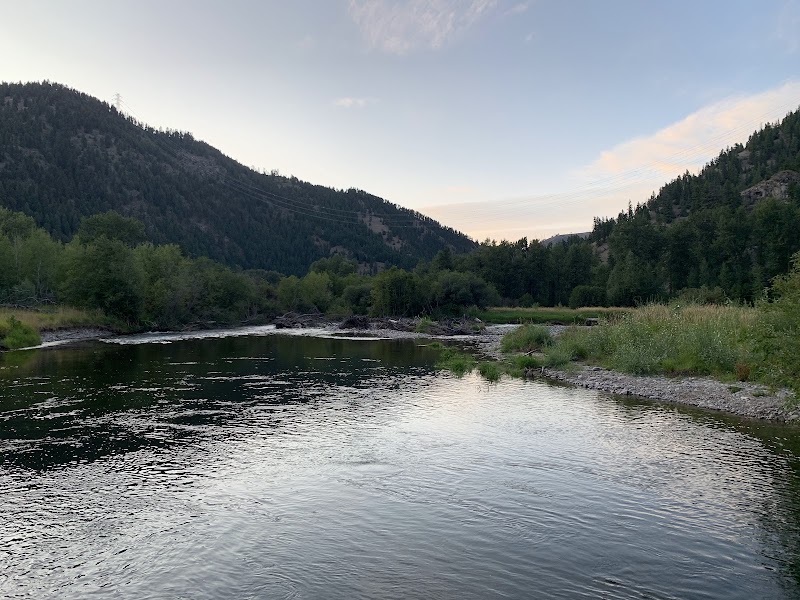
Rivers like the Bitterroot or Gallatin offer varied experiences. Their currents are fiercely themselves—sometimes gentle and glassy, other moments a pushy force testing your grip on the paddle. Smaller, nimble kayaks excel on tighter, twistier sections, giving you swift maneuverability on narrow channels bordered by towering pines. Meanwhile, longer and wider models lend stability on steady stretches and can carry more gear, essential when trips stretch several days.
Length and width are your primary guides. A kayak between 10 and 12 feet balances speed and control, suitable for most Montana river conditions. Under 10 feet, you gain responsiveness but sacrifice tracking, making it tougher to hold a straight line. Over 12 feet offers smooth tracking and cargo space but demands more strength in maneuvering turns.
Weight capacity is equally crucial. Overloading a kayak strains balance and performance. If you pack camping gear and provisions, lean toward a model rated for your combined weight plus cargo. Additionally, consider your own paddling experience; beginners might prefer a wider base for ease and confidence, while seasoned paddlers often tolerate narrower crafts for agility.
Material matters too. Lightweight composite kayaks ease portaging over obstacle-strewn river sections, but rugged polyethylene options shrug off rock scrapes without concern. Practicality balances excitement.
Beyond kayak dimensions, preparation touches every detail:
- Hydration packs are your steadfast companion; Montana’s dry heat can sneak up on you.
- Footwear should guard against slippery rocks below the surface yet dry quickly.
- Timing your trip between late spring and early fall maximizes pleasant weather and manageable water levels.
Position the kayak for easy entry and exit. Practice self-rescue techniques—it’s a necessary skill when the river decides to challenge you.
Sizing your kayak isn’t just a measurement of craft dimensions; it’s tuning your partnership with the river’s movements and moods. With the right boat, you harness the current’s push without surrendering control, turning Montana’s waterways into your moving arena. The river is not simply a route; it’s an active force, ever changing and waiting for you to match its cadence.
Nearby Trips
All Adventures
Boat Charters
Water Activities
Adventures near Missoula
Discover the unique and memorable adventures that make Missoula special.
Frequently Asked Questions
How do I know what kayak length is right for my Montana trip?
For Montana’s rivers, 10 to 12 feet offers the best balance of speed, stability, and cargo space. Shorter kayaks provide agility for swift, narrow passages, while longer ones track better on gentle, broad stretches.
What weight capacity should I consider when selecting a kayak?
Add your body weight and all gear you plan to carry. Choose a kayak rated comfortably above this total to maintain performance and avoid stability issues.
Are certain kayak materials better suited for Montana’s rivers?
Polyethylene kayaks are durable against rocky riverbeds common in Montana, while lighter composite kayaks ease portage. Your choice depends on trip length and how often you’ll carry your kayak over land.
What seasonal conditions might affect kayak choice?
Spring high water increases difficulty and may favor more maneuverable kayaks. Summer and fall’s lower flows allow for a wider kayak with more cargo. Winter kayaking is uncommon due to freezing temperatures.
Is prior kayaking experience necessary for Montana rivers?
While beginner-friendly routes exist, many Montana rivers demand moderate skills due to swift currents and obstacles. Practice basic paddling and rescue techniques before tackling longer trips.
How can I safely transport my kayak to and from the river?
Use roof racks or trailers rated for the kayak’s weight and length. Secure with straps to prevent movement, and consider padding contact points to avoid damage during transit.
Recommended Gear
Medium-Length Kayak (10-12ft)
Balances maneuverability and stability for variable Montana river conditions.
Personal Flotation Device (PFD)
Vital for safety on all trips, especially in unpredictable currents.
Hydration Pack
Provides easy water access to combat Montana’s dry heat during warm months.
Quick-Dry Water Shoes
Protect feet from slippery rocks and enable fast drying on portages or breaks.
Local Insights
Hidden Gems
- "Mullan Lake Overlook near the Bitterroot for a panoramic view of river bends"
- "Back channels of the Clark Fork River that reveal quiet wildlife retreats"
- "Ancient pictograph sites along the Missouri River rarely visited by kayakers"
Wildlife
- "North American river otters often play near rocky banks"
- "Bald eagles can be spotted soaring overhead, especially in fall"
- "Beavers actively modify riparian zones, creating small dams and lodges"
History
"Montana’s rivers once served as essential trade and travel routes for Salish and Kootenai tribes, with some river sections still bearing cultural significance tied to ancestral fishing grounds."