
Packing Essentials for Muir Woods’ Coastal Climate: Gear Up for an Inspiring Adventure
Muir Woods invites adventurers to walk among ancient redwoods shrouded in coastal fog and crisp air. This guide equips you with practical tips to pack smart for the shifting climate, ensuring a safe and immersive journey through California’s iconic forest.
Bring Layered Clothing
Muir Woods’ climate shifts quickly between cool fog and sudden sun, so dress in layers to adapt comfortably throughout your hike.
Wear Waterproof Footwear
Damp trails and mossy roots demand sturdy, waterproof shoes with good traction to prevent slips and keep feet dry.
Carry Sufficient Water
Trails often lack potable water access; bring at least 1-2 liters to stay well-hydrated during moderate hikes under the canopy.
Time Your Visit Early or Late
Arriving early or late reduces crowd density and increases chances of wildlife sightings while offering cooler temperatures.
Packing Essentials for Muir Woods’ Coastal Climate: Gear Up for an Inspiring Adventure

Muir Woods Tour
Daily at 8:30am & 1:30pm. 4.5 hours round trip from Fisherman's Wharf
Discover towering ancient redwoods and stunning coastal views on our daily Muir Woods Tour from San Francisco. Perfect for nature lovers and adventure seekers alike, this trip offers a memorable escape into California’s iconic wilderness.
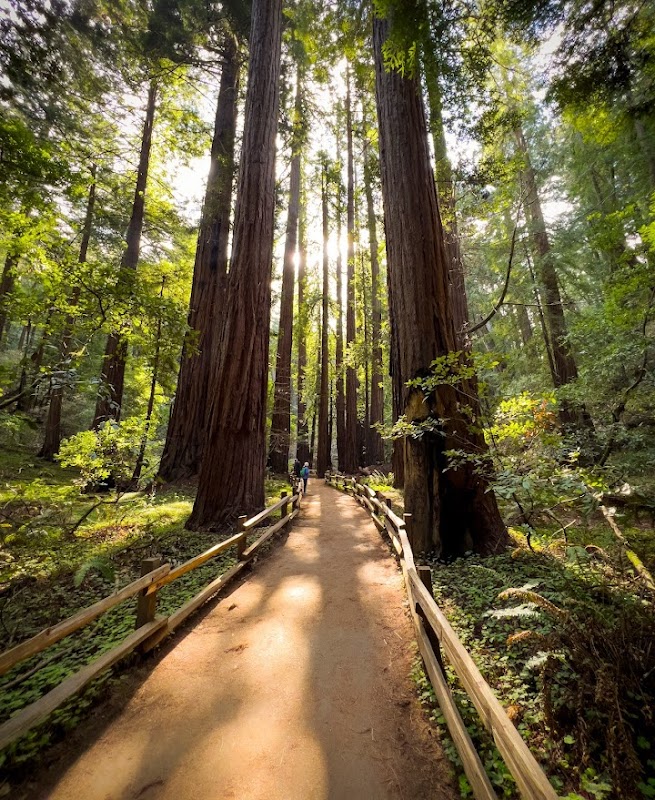
Muir Woods, tucked in the coastal hills north of San Francisco, offers hikers a genuine encounter with towering redwoods, whispering creeks, and cool coastal breezes. The hike ranges from easy, flat trails through ancient groves to moderate loops climbing gentle slopes—expect roughly 2 to 6 miles in mileage, with elevation gains hovering around 300 to 600 feet on more challenging routes like the Dipsea Trail connections.
The forest isn’t just a backdrop; it’s a living participant. The fog plays coy, dancing in and out among the redwoods, lending moisture that keeps the air fresh yet cool. Morning hikes often begin with dew-laden leaves and cool temperatures hovering in the mid-50s°F, shifting to chilly breezes as the afternoon fog drifts through from the nearby Pacific. This coastal climate demands precision in packing: layers to adjust with swift weather shifts, footwear that grips damp paths, and hydration capable of meeting steady exertion.
Start with footwear: waterproof hiking shoes with solid tread will keep you steady on slick roots or moss-covered rock. The terrain is primarily dirt and packed earth, but after rains or heavy fog, it becomes a slick puzzle. Layering clothes is critical; a moisture-wicking base layer paired with a fleece or soft-shell jacket will handle the oscillating temperature. Top off with a compact, water-resistant shell because coastal mists can quickly turn into light drizzles.
Hydration is simple but essential. Muir Woods lacks potable water fountains on many trails, so bring at least 1 to 2 liters of water per person. Consider insulated bottles to keep drinks cool—keenly important when the sun bursts through and temperatures spike unexpectedly. A small trail snack, like nuts or energy bars, will assist in sustaining your energy during longer explorations.
Sun protection might sound unnecessary under dense canopy, but exposed viewpoints like the nearby Alta Trail can expose you to direct sunlight. Carry a hat and lightweight sunscreen for this reason. Early or late hikes allow you to avoid crowds and often come with the best light and quiet encounters with wildlife like owls, salamanders, and the occasionally curious deer.
Packed right, Muir Woods becomes more than a hike—it’s an interaction with a fiercely enduring ecosystem that tests preparedness and rewards attentiveness. The coastal climate pushes hikers to read their environment and respond fluidly, making each visit a fresh challenge and a vivid experience.
Nearby Trips
All Adventures
Boat Charters
Water Activities
Adventures near Mill Valley
Discover the unique and memorable adventures that make Mill Valley special.
Frequently Asked Questions
Are dogs allowed on Muir Woods trails?
Dogs are not permitted on most Muir Woods trails to protect the sensitive ecosystem and wildlife. However, service animals are allowed.
What is the best way to avoid congestion at Muir Woods?
Arrive early in the morning or late in the afternoon, especially on weekdays. Off-season months like fall and winter also see lighter crowds.
Is there cell phone reception inside Muir Woods?
Cell phone coverage is spotty and often unreliable due to dense forest canopy and the park’s terrain. Be prepared with offline maps and inform someone of your plans.
What wildlife might I encounter during my hike?
Common sightings include banana slugs, Douglas squirrels, and various bird species like Steller’s jays and owls. Deer occasionally appear near quieter trails.
Can I refill water bottles in the park?
Potable water fountains are limited and often closed off to protect the environment. Bringing your own water is advisable.
Are there any lesser-known viewpoints worth visiting?
Yes, the East Ridge Trail offers panoramic views of the redwood canopy and the Marin Coast, often overlooked by casual visitors sticking to the main paths.
Recommended Gear
Waterproof Hiking Shoes
Protects feet on damp trails and slippery roots while providing reliable grip through shaded, moist terrain.
Layered Clothing
Allows for quick adaptation to temperature swings caused by fog, sun, and coastal breeze.
Insulated Water Bottle
Keeps water cool during warmer spells and prevents condensation during foggy conditions.
Lightweight Rain Shell
A compact rain jacket shields from sudden coastal drizzles and fog moisture.
Local Insights
Hidden Gems
- "East Ridge Trail for sweeping coastal views"
- "Fern Canyon for lush, intimate walks"
- "Bohemian Grove, a private historic site visible from afar"
Wildlife
- "Banana slugs"
- "Douglas squirrels"
- "Northern spotted owl"
- "Mule deer"
History
"Muir Woods was protected in 1908 through efforts by William Kent and the Mill Valley water company, honoring naturalist John Muir. The park preserves some of the last old-growth coastal redwoods near the San Francisco Bay Area."