Finding The Ideal Spot For Your Dunk Tank In California’s Scenic Parks
Looking to set up a dunk tank in California’s scenic parks? Discover how to select the perfect location that balances practicality and natural beauty, ensuring your setup is safe, accessible, and memorable. Learn key considerations from terrain to timing that will help you make the most of your outdoor event.
Choose Level Ground
Seek out flat, stable terrain—preferably meadow clearings—to ensure your dunk tank stays securely in place and your participants have safe footing.
Consider Access Roads
Pick spots close to roads or parking areas to ease transport of bulky equipment and reduce hike distance for carrying your dunk tank.
Arrive Early for Set-Up
The cooler temperatures of early morning make physical setup easier and more comfortable, avoiding the midday heat and crowds.
Watch the Wind
Secure your tank with stakes and weights, especially in exposed locations where gusts can challenge stability and safety.
Finding The Ideal Spot For Your Dunk Tank In California’s Scenic Parks

Dunk tank - 3 Day Rental
For all ages! • Make your party unforgettable!
Discover how Take Flight Jump Houses makes any event in New Hartford unforgettable with their lively dunk tank rental. Perfect for summer festivities or community gatherings, this activity guarantees laughter and excitement. Read on to learn more about adding a splash of fun to your outdoor plans.
Setting up a dunk tank in California’s vast and varied scenic parks is an adventure on its own—one that demands careful planning and an eye for the perfect location. The goal is a spot where the buzz of excitement and the backdrop of nature collide naturally, providing safety, accessibility, and an authentic outdoor vibe for all participants.
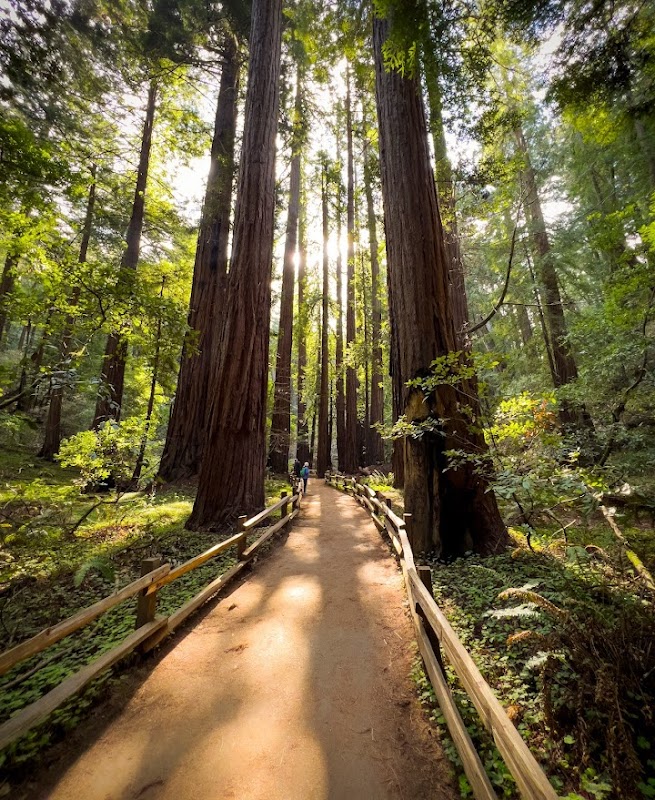
Start your search near clearings that handle crowds without disturbing the environment. Parks like Mount Tamalpais State Park in Marin County offer open meadow areas close to parking and restrooms, making transporting and assembling your dunk tank easier. Expect a gentle incline if you hike a short distance from parking, typically around 0.5 to 1 mile with less than 300 feet elevation gain—manageable for most and ideal for moving heavy equipment.
The ground here isn’t just any dirt; it’s firm yet forgiving, important for stabilizing the tank’s frame and preventing it from sinking into soft soil during use. Be mindful of the riverbanks or lakesides, like near Big Bear Lake in San Bernardino National Forest, which bring their own challenge: uneven, rocky terrain that demands a leveled spot. Here, a compact, flat patch may be tucked under red pines, with the breeze daring you to balance excitement and caution.
Avoid areas with steep slopes or dense underbrush. California’s parks often have sharp elevation changes that invite exploration but can complicate setup and spectator comfort. Look for ground that has enough space around it—at least 15 feet clearance on all sides—to safely manage lines and landing splash zones.
Timing matters. Early morning or late afternoon brings softer light and cooler temperatures, easing the physical setup and keeping participants hydrated and engaged. Equipment like stakes and weighted bases are practical must-haves in areas where the wind actively tests your fortitude.
Hydration is your dependable partner. Water sources are sometimes a stroll away, so pack ample supplies. Wear sturdy footwear with good traction; the mix of earth, pine needles, and occasional rocky sections can turn slick post-rain or near water.
Choosing the right spot is a delicate balance of respecting the park’s natural rhythms while carving out your chunk of fun. Nature doesn’t yield—it invites you to work with it, to appreciate its fierce independence while making the experience seamless and memorable. The right site transforms your dunk tank day from simple amusement into a shared outdoor celebration.
Nearby Trips
All Adventures
Boat Charters
Water Activities
Adventures near Mill Valley
Discover the unique and memorable adventures that make Mill Valley special.
Frequently Asked Questions
What terrain is best for setting up a dunk tank in scenic parks?
Look for flat, firm ground such as open meadow patches or dirt clearings that can support the tank’s weight and keep it steady during use.
How close should the dunk tank be to parking or roads?
Aim for a distance no more than half a mile from parking areas to reduce the effort needed to transport heavy setup materials.
Are there restrictions on setting up such equipment in state parks?
Many parks require permits for events or installations, so check with park authorities in advance to comply with local regulations and protect the environment.
What time of day is best for setting up and operating the dunk tank?
Early morning or late afternoon provide the best light and temperatures, keeping participants comfortable and reducing the risk of overheating.
How do I stabilize the dunk tank if there’s wind?
Use heavy stakes and weighted bases, and position the tank behind natural windbreaks such as trees or hills where possible.
What wildlife should I be aware of when choosing my setup location?
California parks home to various wildlife; watch for deer, squirrels, and in some areas, rattlesnakes. Avoid dense brush and listen for animal movement to stay safe.
Recommended Gear
Stakes and Weights
Essential for anchoring your dunk tank securely, especially in wind-prone areas common in open California parks.
All-Terrain Dolly
Facilitates moving heavy dunk tank equipment over mixed terrain, easing transport from parking or staging areas.
Hydration Pack
Keeps you hydrated during setup and event, crucial during warm summer months or physical exertion.
Rubber-Soled Hiking Shoes
Provides stability and grip on mixed ground—earth, rocks, and pine needles—ensuring safe footing during setup and activity.
Local Insights
Hidden Gems
- "Eagle Rock viewpoint near Mount Tamalpais offers a panoramic view perfect for scouting your dunk tank location."
- "Little-known fern groves along the trails provide shade and can serve as natural windbreaks."
Wildlife
- "Black-tailed deer often graze near open meadows in the early morning."
- "Towhee birds dart underbrush, adding a lively soundtrack to your setup."
History
"Many park areas once served as indigenous lands for the Coast Miwok people, offering layers of cultural significance beneath the natural beauty."