Miami’s coastal waters call spearfishers to a vibrant underwater arena shaped by tides, temperature, and weather. Learn the best seasons and weather windows to plan your next spearfishing trip for clear waters and prime fish activity.
Check Tide Schedules Before Diving
Aim to dive during slack tide periods, which provide calmer waters and clearer visibility essential for spotting gamefish.
Monitor Weather Reports
Plan your trips after stable high-pressure systems to avoid choppy seas and poor water clarity caused by storms and wind.
Use Appropriate Wetsuit Thickness
Water temperatures vary; a 3mm wetsuit suits winter dives, while summer may only require a 1-2mm suits or none at all.
Maintain Surface Support
Always dive with a surface buddy or have a float line rigged to enhance safety and ease of managing catch.
Navigating Miami’s Spearfishing Seasons: Timing and Weather Windows for Success

Spearfishing
For all ages! • 4 Hours and 7 Hours • Fits up to 13 guests!
Set out from Miami with Sunny Fishing Charters for a hands-on spearfishing adventure that plunges you into the vibrant waters of Florida’s coast. Discover the challenge and thrill of hunting fish among coral reefs and wrecks, all while learning from expert guides dedicated to safety and conservation.
Miami’s coastal waters offer a dynamic stage for spearfishing, where timing and weather dictate your chances to connect with gamefish beneath restless waves. The Atlantic asserts itself—currents push, winds shift, and tides command the rhythm. To optimize your spearfishing outings, understanding these natural forces is essential.
Best Seasonal Windows The prime spearfishing season in Miami runs from late fall through early spring (November to April). Cooler water temperatures coax in species like grouper, snapper, hogfish, and amberjack, while offshore visibility peaks during calmer ocean conditions. Summer months bring murkier waters and stronger storms, dampening both visibility and safety.
Tides and Their Tempo Tides are your underwater clock. Spearfishers seek slack tides—moments when water movement pauses between flood and ebb—as these calm periods mean clearer water and less aggressive currents. Slack tide usually occurs around dawn and dusk here, coinciding nicely with the natural feeding schedules of many fish.
Weather Windows That Matter South Florida’s weather is famously changeable, a factor every diver must respect. Optimal conditions emerge following stable high-pressure systems, when winds settle to under 10 knots from the east or southeast. Rain and storms churn the water, reducing visibility and increasing risk. The best visibility often follows 48–72 hours of calm and sunshine, giving sediment time to settle.
Water Temperature and Marine Behavior Though subtropical, Miami waters cool during winter to about 68°F (20°C), invigorating bottom-dwelling species while discouraging tropical reef fish. As temperatures climb in summer past 85°F (29°C), many species move offshore or deeper, challenging spearfishers to adapt by finding shaded reefs and wrecks.
Local Hazards and Preparation Warm currents can spawn unpredictable waves, while manatees and protected species require careful avoidance by divers. Coral formations and submerged rock structures safeguard these waters but demand sharp situational awareness to avoid injury.
Planning your spearfishing trip means syncing your schedule with nature’s cycle—choose calm mornings, check tide charts for slack water, and watch weather forecasts vigilantly. Gear up for variable sea states with a sturdy wetsuit and reliable float line. Hydrate well ashore and maintain constant communication if diving remote sites.
Miami’s underwater world is fiercely itself—an honest challenge rewarding the prepared adventurer with encounters rich in marine bounty and the thrill of the hunt.
Nearby Trips
All Adventures
Boat Charters
Water Activities
Adventures near Miami
Discover the unique and memorable adventures that make Miami special.
Frequently Asked Questions
When is the best time of day to spearfish in Miami waters?
Early morning hours around slack tide are optimal, offering calm seas and clearer water, plus proximity to fish active during dawn feeding. Late afternoon slack tide is a good alternative.
Which fish species are most commonly targeted here during spearfishing season?
Common targets include grouper, snapper, hogfish, and amberjack, especially during cooler months when they come closer to shore reefs and wrecks.
How do local weather patterns impact spearfishing success?
Stable high-pressure systems create calm winds and clear waters necessary for good visibility. Storms and heavy rain stir sediment and reduce underwater clarity, making hunting difficult and unsafe.
Are there specific underwater sites recommended for spearfishing around Miami?
Nearshore coral reef patches, offshore wrecks like the USNS General Hoyt S. Vandenberg, and rocky outcrops beyond the continental shelf are hotspots, but require proper knowledge and permits.
What safety considerations should be taken into account when spearfishing here?
Always dive with a buddy, monitor boat traffic, respect marine protected species, use a float with a flag, and avoid diving in rough seas or strong currents.
Can weather shifts happen suddenly, and how should divers prepare?
Yes, tropical storms can develop within hours. Check marine weather forecasts daily, and be ready to abort dives if conditions worsen unexpectedly.
Recommended Gear
Speargun or Pole Spear
Fundamental for targeting fish efficiently under water.
3mm Wetsuit (Winter) / 1-2mm Wetsuit or Rash Guard (Summer)
Protects against chill during cooler months and minor abrasions year-round.
Dive Mask and Snorkel
Critical for underwater visibility and breathing at the surface.
Float Buoy with Flag
Provides surface visibility for boats and a resting point, enhancing diver safety.
Local Insights
Hidden Gems
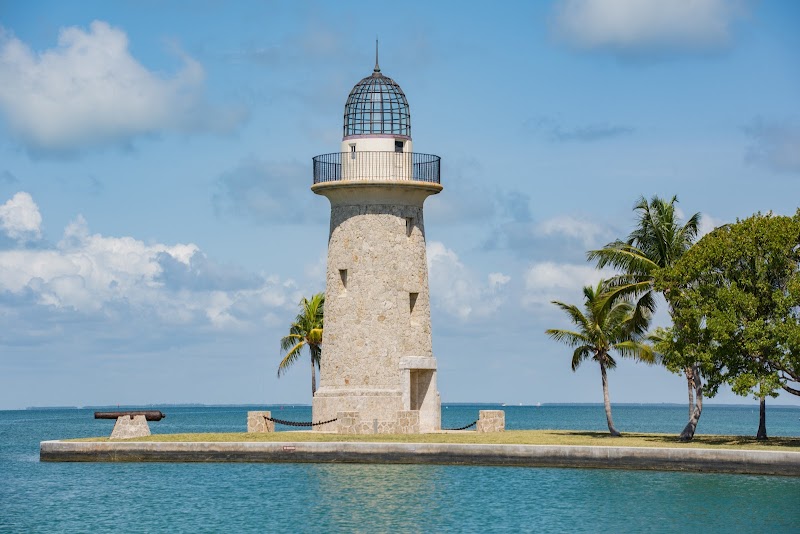
- "Boca Chita Key reef areas offer less crowded waters with excellent bottom structure."
- "The Coral Gables underwater ledges provide unique dive environments close to shore."
Wildlife
- "Keep a watch for the shy spotted eagle rays and curious sea turtles grazing near reefs."
- "Occasional groupers and snapper form loose hunting groups that offer exciting spearfishing opportunities."
History
"Miami’s waters were vital trade and fishing routes for indigenous peoples and early settlers; many wrecks now serve as artificial reefs and spearfishing sites."