
Florida’s coastal waters offer dynamic spearfishing experiences shaped by tides, seasons, and weather. Learn how timing your dives with these natural rhythms can sharpen your skills and increase your chances of a successful hunt.
Plan Around Tide Schedules
Choose rising tide or slack tide for better fish concentration and manageable currents; avoid strong ebb tides that can push you off-target.
Check Weather and Water Conditions
Monitor wind speeds and forecasts to avoid murky water and strong currents that hamper visibility and safety.
Use Local Tide and Current Charts
Consult updated charts and apps to find optimal windows for entering and exiting the water safely, maximizing fishing time.
Prepare for Varying Visibility
Bring masks with interchangeable lenses to adapt to changing light and water clarity conditions throughout the day.
Mastering the Tides: Timing Your Spearfishing Adventures in Florida’s Coastal Waters
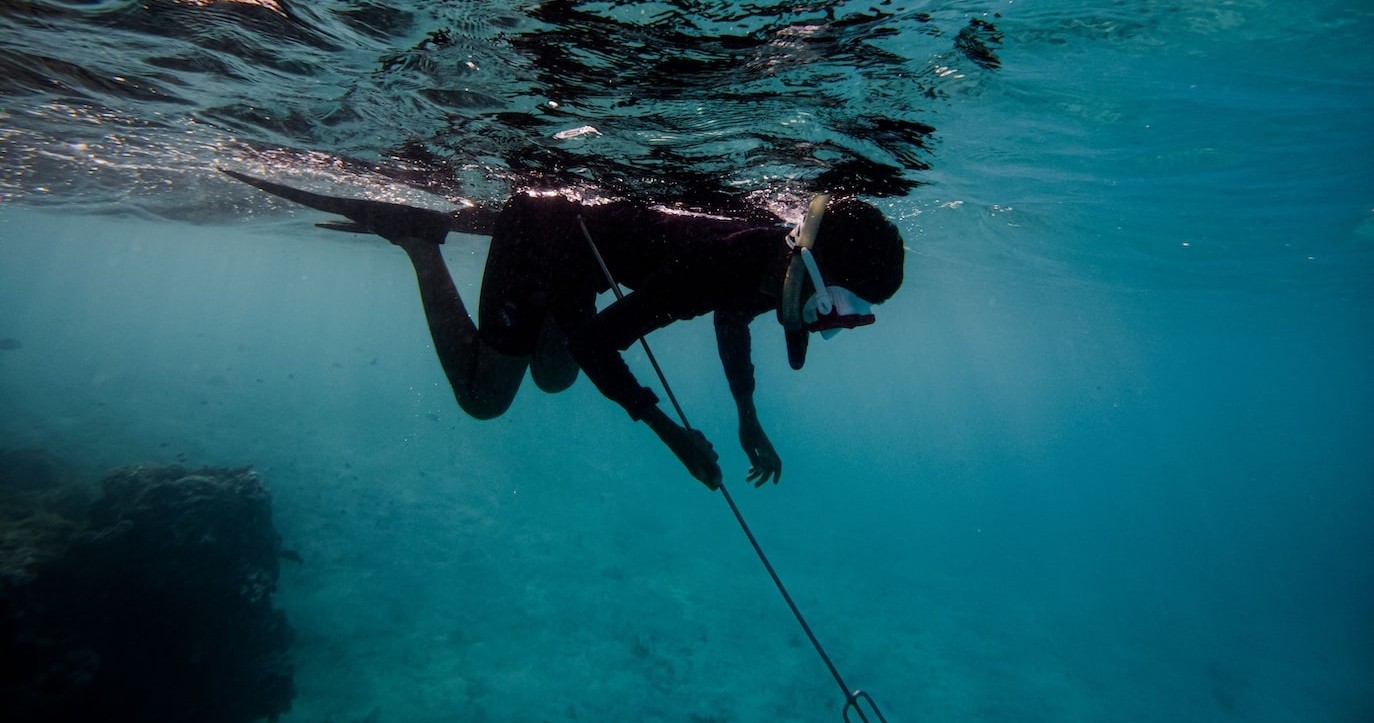
Spearfishing Charter
All Ages · 4, 6 or 8 Hours · Up to 6 People
Discover the thrill of spearfishing in the clear waters of Key West with expert guides. This private boat tour blends adventure, education, and stunning scenery for an unforgettable outdoor experience.
Florida’s coastal waters invite spearfishers with a vibrant underwater world that changes with the clock and calendar. The key to a successful spearfishing trip lies in understanding when and where the ocean’s conditions align with your skills and gear. Timing is not just about picking a day; it’s about syncing your dive with tides, seasons, and weather patterns that shape fish behavior and water clarity.
Tides command the underwater landscape like a silent orchestrator. Incoming tides push currents closer to reefs and wrecks, concentrating fish in tighter pockets. A rising tide often means stronger currents, demanding more attention to technique and energy management. Conversely, slack tide—the calm period between tide changes—offers clearer waters with less current, perfect for carefully stalking wary game fish like grouper or hogfish. Planning dives around these tide windows can transform your hunt from a struggle into a strategic act.
Seasons paint another layer of understanding. Winter months from December to February typically bring cooler water temperatures that coax game fish into shallower, slower zones, making them easier to find but sometimes more cautious. Spring and fall bring migrations and spawning behaviors along the coast, drawing species like snapper and amberjack into predictable areas. Summer’s heat increases water temperatures and algae growth, sometimes clouding visibility but also attracting different species that thrive in warmer currents.
Sunlight isn’t just for warmth; it governs visibility and fish activity patterns. Early morning light penetrates water with a soft clarity, waking the reefs and their inhabitants into motion. Late afternoon offers longer shadows and less human traffic, creating prime windows for approach. Midday sun, especially on clear days, can enhance visibility but also raises glare and water surface disturbance.
Weather demands vigilance. Strong winds stir up sediments, reducing visibility and turning currents unpredictable. Passing storms can rapidly shift water temperature and salinity, causing fish to scatter or change behaviors. Checking forecasts thoroughly before you get in the water isn’t just smart—it’s essential.
Logistics matter as much as timing. Most Florida spearfishing hotspots are accessible from coastal cities like Miami or Fort Lauderdale, with easy launch points to reefs 1 to 3 miles offshore. Plan for at least two to three hours on the water to maximize time around ideal tide windows and avoid rushing your dives. Staying hydrated and properly fueling your body ensures stamina when currents push or fish dart.
In practice, successful spearfishing in Florida hinges on respecting the sea’s rhythm and adapting strategies accordingly. Consult local tide charts, use reliable weather apps, and observe the water before entering. Listen to the ocean’s subtle changes—it will challenge you but also reward those who meet it with patience and timing.
Nearby Trips
All Adventures
Boat Charters
Water Activities
Adventures near Miami
Discover the unique and memorable adventures that make Miami special.
Frequently Asked Questions
When is the best time of day to spearfish in Florida?
Early mornings and late afternoons provide optimal light and calmer waters, enhancing visibility and reducing boat traffic. Midday dives can work but may involve stronger sun glare and busy waters.
How do tides affect fish behavior for spearfishing?
Tides shift currents that concentrate fish near reefs during incoming and slack tides, making them easier targets. Strong outgoing tides can disperse schools and increase swim difficulty.
Are there any protected or restricted areas for spearfishing in Florida's coastal waters?
Yes, areas within marine sanctuaries and some state parks restrict spearfishing to protect habitats and species. Always check local regulations before planning your dive.
What species are most commonly targeted in Florida spearfishing?
Common targets include grouper, hogfish, snapper, amberjack, and barracuda, each cycling through different coastal habitats depending on season and tides.
How should I prepare for currents when spearfishing Florida’s coast?
Research tide charts and local conditions, dive during slack or incoming tides for manageable current, use efficient fins, and maintain close contact with your boat or shore support.
What safety tips should I follow for spearfishing in these waters?
Never dive alone, always surface with a float or flag to signal your position, stay aware of boat traffic, monitor your breath-hold limits, and stay hydrated.
Recommended Gear
Spearfishing Wetsuit (3mm-5mm)
Protects against cold water temps, abrasions, and provides camouflage; thicker suits for cooler seasons.
Low-Volume Mask with Clear Lenses
Essential for clear, close-range vision underwater with minimal drag.
Fins Designed for Strong Currents
Longer, stiff fins help control movement and conserve energy in shifting tidal currents.
Dive Computer or Waterproof Tide App
Helps monitor dive times, water depth, and tide changes for safe and optimized spearfishing sessions.
Local Insights
Hidden Gems
- "The offshore wreck sites near Biscayne National Park offer unexpected reefs and abundant fish away from busier public spots."
- "Shallow seagrass beds around Key Biscayne can hold smaller game fish and offer easier access for beginners."
Wildlife
- "Look for playful dolphin pods that sometimes circle fishing spots, and be aware of manatees which frequent shallow coastal waters especially in cooler months."
History
"Florida’s reefs and wrecks hold stories of old ship routes and maritime trade—many dive sites double as underwater historical landmarks."