
Miami’s waterways offer year-round adventure shaped by shifting seasons. Learn how to plan your boat outings by reading the currents, timing your departure, and navigating safely through changing weather and wildlife activity for a memorable day on the water.
Check Marine Weather and Tides Before Launch
Weather in Miami can change rapidly, especially in summer. Always verify tide charts and forecasts to avoid storms and hazardous currents.
Hydrate Generously and Wear Sun Protection
The subtropical sun demands constant hydration and broad-spectrum sunscreen to reduce heat strain and sunburn risk.
Use Both GPS and Paper Navigational Charts
Electronics can fail or lose signal; having physical charts helps recognize shallow reefs and markers critical for safe passage.
Plan Early Morning or Late Afternoon Launches
Avoid midday heat and afternoon wind build-up, particularly in spring and summer, to ensure smoother waters and better visibility.
Navigating Miami’s Waters: Planning Boat Outings Across the Seasons

38' TESORO
Boat Rental in Miami
Discover the ultimate private boat experience with the 38' TESORO in Miami Beach. Glide through sparkling waters, explore hidden coves, and enjoy personalized service on this luxurious vessel tailored just for you.
Miami’s coastal waters pulse with energy and change, offering a boat outing experience that’s as dynamic as the city itself. From the breezy embrace of winter currents to the summer sun blazing overhead, timing and navigation are essential to fully seize the adventure without getting caught off guard. Understanding Miami’s seasonal rhythms unlocks a practical blueprint for safe, enjoyable exploration on the water.
Winter months (December through February) deliver calmer seas and clearer skies, making navigation straightforward. The prevailing northeast winds push you gently along Biscayne Bay or out toward the Florida Keys. Expect slightly cooler temperatures, which ease the heat but occasionally bring sharp morning chill. Mornings are best for heading out—the water is glassy, perfect for spotting dolphins weaving through the wakes or manatees drifting lazily near mangrove islands. The route options expand with fewer crowds, so exploring hidden coves becomes an alluring possibility.
Spring (March to May) is transitional, blending warm air with shifting winds. Afternoon sea breezes kick up more swiftly, challenging skippers to time their trips carefully. This season sparks flowering mangroves and the arrival of migratory birds, giving nature a lively edge. Because the sun grows intense, plan outings early or late in the day. Soybean-hued sunsets explode over the horizon, rewarding patience and good timing.
Summer (June through September) demands respect. The Gulf Stream becomes more aggressive, and afternoon thunderstorms roll in with sudden intensity. Navigation requires constant attention; currents can turn from guide to adversary in moments. Heat climbs with humidity pushing above comfort zones, so hydration is critical. Early morning departures shield you from the harsh sun and volatile weather. Here, hurricane season lurks as a seasonal hazard—always check forecasts and marine warnings before departure. Wildlife thrives, with sea turtles nesting offshore and pelicans gliding low over surging waves.
Fall (October to November) recalibrates conditions, cooling temperatures and calming waters. Winds subside after summer storms, offering steady sailing across Florida Bay or trips to the less-visited sandbars off Key Biscayne. The visibility underwater improves, tempting snorkelers and anglers alike. Fall’s golden light sharpens each wave’s silhouette, emphasizing both the beauty and force of the sea’s edge.
Navigation in Miami requires a keen eye on tides, weather, and marine traffic. Mapping your route should factor in shallow zones scattered with coral heads and navigational markers that demand respect. GPS tools and physical charts work best in tandem; electronics can fail, but local knowledge pins down hazards reliably. Letting currents steer you sometimes is wise, but assertive course corrections keep both you and your crew on solid footing.
Boat types vary—from nimble center consoles ideal for quick island hops to larger yachts built for comfort and range. Each calls for different planning: fuel range, shelter from waves, and space for provisions. Layer your itinerary with realistic time buffers. Unexpected gusts, crowds near popular spots like Stiltsville, or wildlife sightings can extend your trip and become part of the story.
Hydration, sunscreen, and proper headgear are non-negotiable. Shoes with grip prevent slips on wet decks. Keep emergency equipment handy—life jackets, flares, VHF radio—embracing the unpredictable nature of the sea. Miami’s waters are alive, fiercely themselves, inviting but never tamed.
Ultimately, the key to a satisfying Miami boat outing is matching ambition with preparation. Seasons shape your journey, offering challenges and rewards that call for respect, focus, and a readiness to adapt. Whether you seek the calm embrace of dawn or the charged drama of a thunderstorm-bound afternoon, every outing is an engagement with a living coastline that moves and breathes around you.
Nearby Trips
All Adventures
Boat Charters
Water Activities
Adventures near Miami
Discover the unique and memorable adventures that make Miami special.
Frequently Asked Questions
What is the best time of day for safe boating in Miami?
Early mornings are generally safest with calmer seas, lighter winds, and less boat traffic. Avoid late afternoons during summer due to typically increasing winds and storm chances.
How do seasonal currents affect navigation in Miami waters?
Currents shift with the seasons: winter’s northeast push favors eastbound travel, while summer’s active Gulf Stream can complicate routes. Understanding these helps plan fuel needs and timing.
Are there any areas to avoid when boating near Miami?
Yes, shallow reefs near Coral Gables, certain sections of Biscayne Bay with submerged markers, and areas prone to strong currents near offshore sandbars require caution.
Can I see marine wildlife on a typical Miami boat outing?
Absolutely. Dolphins, manatees, and sea turtles commonly appear. Winter favors manatee sightings while summer brings sea turtle nests along the shore.
What are the key safety preparations before a Miami boat trip?
Check marine weather and tide forecasts, ensure all safety equipment like life jackets and VHF radios are functional, and share your route and return time with someone on land.
How crowded do popular spots like Stiltsville get during boating seasons?
Crowds peak in winter and spring weekends, with boats mooring near Stiltsville for social gatherings. Off-peak times offer more solitude and quieter waters.
Recommended Gear
Life Jackets
Non-negotiable for safety; required for all passengers and should be worn or accessible at all times.
Waterproof GPS Device
Key for navigation through Miami’s reef-strewn routes and in limited visibility conditions.
Sun Protection Kit (Sunscreen, Hat, UV Clothing)
Protects against intense rays, especially during peak sun hours common in warmer months.
Hydration System
Adequate water supply combats heat and dehydration during long exposures on the water.
Local Insights
Hidden Gems
- "The small mangrove islands of Dinner Key, offering quiet refuge and wildlife viewing away from main channels."
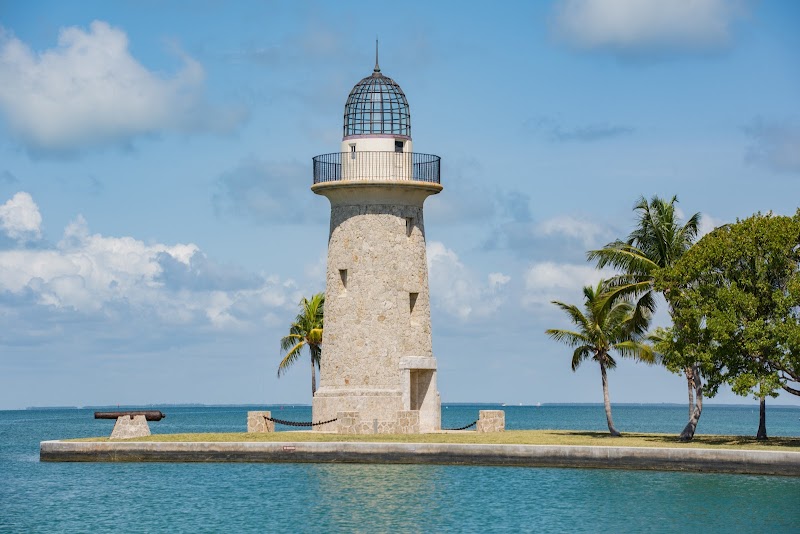
- "Sandbar near Boca Chita Key, where shallow waters invite wading and swimming with minimal boat traffic."
Wildlife
- "West Indian manatees appearing sluggishly near canal mouths in winter."
- "Brown pelicans gliding just above wave crests, diving swiftly for fish."
- "Juvenile nurse sharks resting near coral reef edges."
History
"Miami’s waters carry deep history from indigenous Tequesta fishing grounds to historic offshore structures like Stiltsville, built by Depression-era residents as social outposts."