
Gear and Clothing Tips for Bioluminescent Kayaking at Cocoa Beach
Experience the magic of glowing waters on a bioluminescent kayaking adventure at Cocoa Beach. This practical guide equips you with the essential gear and clothing tips to navigate the night’s shimmering tides safely and comfortably.
Choose Lightweight, Quick-Dry Clothing
Opt for synthetic fabrics that dry quickly to stay comfortable and avoid chills once wet. Long sleeves and pants help fend off insects and chill.
Use a Red Headlamp
A red light preserves your night vision and prevents disturbing the bioluminescent effect, enhancing the magical experience.
Wear Closed-Toe Water Shoes
Protect your feet from rocky shorelines and potential underwater obstacles with sturdy, secure footwear.
Bring a Dry Bag for Electronics
Keep phones, cameras, and other valuables safe from water spray and accidental immersion during your paddle.
Gear and Clothing Tips for Bioluminescent Kayaking at Cocoa Beach

Bioluminescent Kayaking Tour
Ages 5+ • 1.5 Hours
Discover the glow of bioluminescent waters on a kayak tour in Cocoa Beach. Wade into a shimmering, otherworldly display of marine life—a truly unforgettable experience that combines nature and adventure under the night sky.
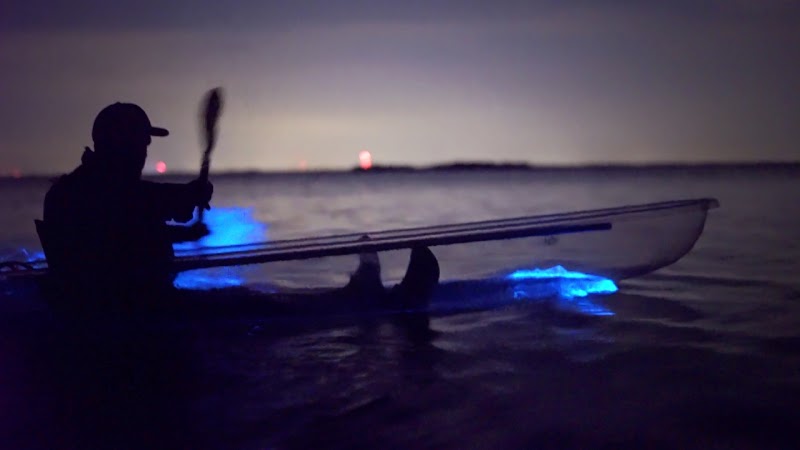
At Cocoa Beach, the dark water suddenly springs to life with a shimmering pulse beneath your paddle—a dance of bioluminescence as millions of microscopic organisms flare bright blue in your wake. Kayaking here is more than an outing; it’s a hands-on encounter with a living, breathing phenomenon. To make the most of this rare spectacle, packing the right gear and clothing is critical. The night air hangs heavy with salt and curiosity, the water dares you forward, and the glowing waves are ready to meet your craft.
Start with your kayak: a stable sit-on-top or tandem kayak fitted with bright LED deck lights (turned off during the tour to prevent light pollution) is ideal. A PFD (personal flotation device) is non-negotiable; the water, cool and unpredictable, claims no slack. Dress in lightweight, quick-dry clothes—long sleeves and pants to protect against gnats and the chill of night breezes. Avoid cotton, which clings and cools, slowing you down and stealing comfort.
Footwear should be secure, water-resistant, and closed-toe. The shoreline is often uneven, with patches of rock and shells daring your footing. Neoprene booties or sturdy water shoes work best.
Bring a headlamp with a red light setting; it preserves night vision and avoids disturbing the bioluminescence. Waterproof your phone or camera in a dry bag if you plan to capture the glow—remember, the flash or bright lights will erase the effect, so patience is your friend.
Hydration is essential. Night paddling can still be physically demanding, and salty air is deceivingly drying. A reusable water bottle inside a neoprene sleeve keeps fluids cool until you need them.
Timing your trip around the new moon phase maximizes visibility. The water’s glow responds to disturbance—the more you paddle, the stronger the streaks. But be mindful of local wildlife and tides; they weave a complex rhythm that respects neither impatience nor haste.
Layering helps as temperatures fluctuate sharply after dark. A lightweight windbreaker or splash jacket wards off sudden gusts, while a buff or neck gaiter keeps mosquitoes from turning your adventure into a scratch-fest.
Finally, a dry bag, sealed and ready, is your safeguard against surprise splashes or accidental capsizing. Cocoa Beach's bioluminescence is fierce in its beauty—respect its power with thoughtful preparation. With the right gear, you won’t just witness glowing waters; you’ll move through them like a shadow in a sea of stars.
Nearby Trips
All Adventures
Boat Charters
Water Activities
Adventures near Merritt Island
Discover the unique and memorable adventures that make Merritt Island special.
Frequently Asked Questions
When is the best time to see bioluminescence at Cocoa Beach?
The brightest displays occur between May and October, especially during the new moon when dark skies allow the glowing waters to shine unimpeded.
Can beginners go bioluminescent kayaking at Cocoa Beach?
Yes, most local outfitters offer guided tours designed for all skill levels where instructors provide safety briefings and paddling assistance.
What kind of wildlife might I encounter during the trip?
Alongside glowing waters, expect to see technical creatures like snapping shrimp that create the bioluminescence, as well as nocturnal birds and occasional dolphins offshore.
How cold does it get at night, and what should I wear?
Temperatures typically drop to the mid-60s°F (18°C) in summer and can dip lower in winter. Dress in layers with moisture-wicking materials and bring a windbreaker.
Are phones and cameras safe to use during the kayaking?
Use waterproof cases or dry bags; avoid flash photography as it diminishes the bioluminescence effect and disturbs wildlife.
Is bioluminescent kayaking environmentally safe?
Guided tours follow strict guidelines to minimize disturbance, and you should avoid touching or collecting marine life to protect the fragile ecosystem.
Recommended Gear
Personal Flotation Device (PFD)
Safety first: every paddler must wear a PFD to stay afloat in unpredictable coastal waters.
Waterproof Headlamp with Red Light
Keeps your hands free while illuminating the path; red setting preserves night vision and doesn’t spoil the bioluminescence.
Lightweight, Quick-Dry Clothing
Protects against insects and nighttime chill while keeping you comfortable after contact with water.
Dry Bag
Essential for keeping phones, cameras, and valuables dry in the splash zone and in case of tip-over.
Local Insights
Hidden Gems
- "A hidden inlet nearby offers a calm pre-paddle spot, sheltered from stronger tidal currents."
- "Look for the weathered remains of an old fishing dock that provide unique textures for night photography."
Wildlife
- "Bioluminescent dinoflagellates that light up in the water."
- "Nocturnal wading birds such as herons and egrets stalking the shore."
History
"Cocoa Beach has long been a hub for coastal maritime activity and played a role as a supporting community for NASA’s nearby Kennedy Space Center, blending natural wonder with pioneering human exploration."