
Essential Weather Conditions for Experiencing Bioluminescence in Florida's Banana River
Florida's Banana River hosts one of the most remarkable natural light displays—bioluminescence—triggered by specific weather conditions. Understanding temperature, salinity, and moon phases can transform your nighttime paddle into a glowing adventure.
Check Water Temperature for Optimal Glow
Plan your trip when water temperatures range between 70°F and 85°F to maximize bioluminescent activity.
Avoid Nights After Heavy Rainfall
Freshwater runoff dilutes salinity, hindering bioluminescence for several days. Wait for the lagoon to rebalance after rain.
Choose Low-Wind Evenings
Calm water surfaces offer the clearest bioluminescent displays by reducing wave interference.
Time Your Visit Around the New Moon
Minimal moonlight improves visibility of the glow; plan excursions near new moon phases for best viewing.
Essential Weather Conditions for Experiencing Bioluminescence in Florida's Banana River

Bioluminescence Late Tour
All Ages • 90 minutes •Up to 6 Guests * 10pm
Discover the shimmering waters of Merritt Island on a bioluminescence boat tour that reveals glowing wildlife in a stunning nocturnal display. Perfect for memorable nights in Florida’s coastal wilderness.
Florida's Banana River invites night adventurers to witness one of nature's most captivating light shows—bioluminescence. This glowing spectacle depends heavily on specific weather conditions that shape the water's chemistry and the presence of bioluminescent organisms. Understanding these factors not only enhances your chances of encountering this surreal phenomenon but also keeps your outing safe and practical.
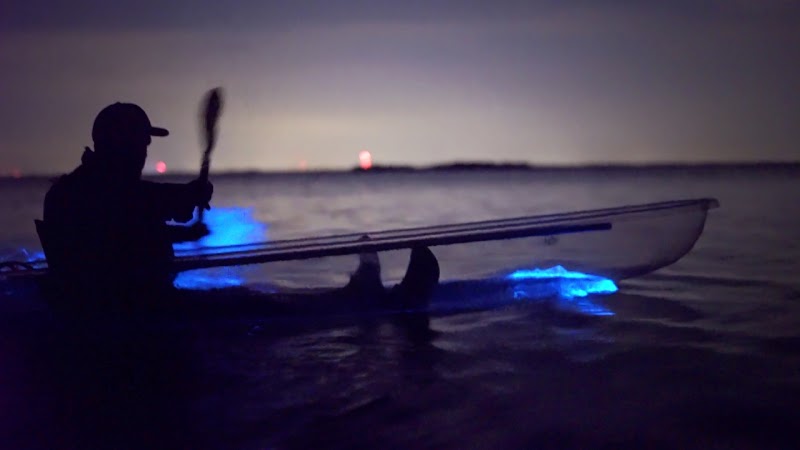
The Banana River, a 31-mile lagoon on Florida's east coast near Merritt Island, is home to microscopic plankton that produce light when disturbed. This natural glow dances across the water's surface when you paddle or dip your fingers in the dark, responding to motion like a living, breathing current. But these organisms are precise about when they perform.
Water temperature sits at the forefront. Bioluminescent plankton thrive in warm conditions, typically when water temperatures hover between 70°F and 85°F. Cooler water slows the plankton’s metabolic processes, dimming their glow. For best results, plan trips during late spring through early fall when temperatures stabilize within this range.
Salinity is another crucial factor. The Banana River’s brackish environment—saltwater mixing with freshwater from nearby canals and rainfall—helps regulate plankton populations. Heavy rains or freshwater influxes dilute salinity and can disrupt the delicate balance, reducing the intensity of bioluminescence for several days after.
Clarity matters. Calm, clear water enhances visibility, allowing bioluminescence to sparkle in full effect. Windy or stormy nights whip the water into choppy waves, scattering light and weakening the glow. Low wind conditions are ideal, as the lagoon’s surface acts as the stage for this luminous display.
Moonlight plays a dual role. A bright full moon often outshines the faint blue sparks, making it harder to see bioluminescence. Aim for outings near the new moon or when moonlight is minimal. Moon phases, combined with weather conditions, set the rhythm for the perfect glimpse.
Humidity and temperature on land affect comfort and safety but have less impact on the glow itself. Still, a mild evening with little breeze makes paddling or kayaking more enjoyable as you interact gently with the water, letting its creatures respond with shimmering trails.
To optimize your adventure, monitor local weather forecasts focusing on temperature, wind speed, and recent rainfall. Plan your visit on calm, warm nights with minimal moonlight and some days since the last rain. This strategy invites the Banana River itself to reveal its secret light, pushing you to move carefully, interact with the water, and respect the lagoon’s fiercely wild nature.
Bioluminescence here isn’t just a visual treat—it’s an invitation to engage with a living, changing ecosystem. Weather conditions don’t just influence the show; they direct it, setting the stage for a rare connection between human curiosity and natural wonder. Gear up with a kayak or paddleboard, dress for sticky warmth, and let the night guide you toward bioluminescence’s electric pulse.
Nearby Trips
All Adventures
Boat Charters
Water Activities
Adventures near Merritt Island
Discover the unique and memorable adventures that make Merritt Island special.
Frequently Asked Questions
What weather conditions most favor bioluminescence visibility in the Banana River?
Warm water temperatures (70–85°F), calm winds, stable salinity, and minimal moonlight create the best viewing conditions. Avoid periods immediately after heavy rains as freshwater dilutes salinity and dampens plankton activity.
How does the moon phase affect the ability to see bioluminescence?
Bright moonlight, especially during full moons, overwhelms the subtle blue glow of bioluminescent plankton. New moon nights or when the moon is below the horizon provide the darkest skies, allowing the glow to shine uninterrupted.
Are there any safety considerations for night paddling in the Banana River?
Yes. It's essential to wear a personal flotation device, carry a red-light headlamp, stay near shorelines, and inform someone of your plans, as night navigation can be disorienting and currents can shift unexpectedly.
Can I see bioluminescence in other parts of Florida?
Yes, other areas like the Indian River Lagoon and Mosquito Lagoon also have bioluminescent populations, but Banana River is especially consistent due to its protected environment and balanced salinity.
What wildlife might I encounter during a bioluminescent paddle?
Osprey and herons often fish at nightfall, and manatees may surface nearby. Nighttime can also bring out owls and raccoons along shorelines; all add to the layered interaction with nature.
Is it better to use a kayak or paddleboard for viewing bioluminescence?
Both work well, but kayaks provide more stability for paddling in the dark and allow you to sit closer to the water, enhancing your ability to interact quietly with the glowing plankton.
Recommended Gear
Headlamp with Red Light
Preserves night vision while allowing safe movement pre- and post-paddle without disturbing natural darkness.
Lightweight Waterproof Jacket
Protects against sudden cool breezes and light rain showers typical of Florida spring evenings.
Comfortable Water Shoes
Offers grip for wet surfaces and protection for launching or exiting kayaks along the shore.
Bug Repellent
Essential for warding off mosquitoes and biting insects during warm, humid summer nights.
Local Insights
Hidden Gems
- "The Banana River Lagoon's oyster bars provide quieter, less frequented paddling spots with intense bioluminescence."
- "Explore near the Merritt Island National Wildlife Refuge edges where fewer boats mean better water clarity."
Wildlife
- "Look for manatees feeding near warm springs; they often appear as gentle shadows in glowing water."
- "Nighthawks and bats hunt insects stirred by your movement, adding a dynamic feel to the experience."
History
"Banana River has long supported indigenous and early settler communities who relied on its rich biodiversity. It remains a vital habitat governed by ongoing conservation efforts balancing wildlife with human recreation."