
Wildlife Safety and Etiquette on Memphis Trail Adventures
Explore Memphis trails where city meets wilderness, offering encounters with diverse wildlife in dynamic landscapes. This guide ensures your adventure is safe, respectful, and deeply rewarding with practical tips and clear etiquette for every trek.
Maintain Safe Wildlife Distances
Keep at least 50 feet away from animals to avoid startling them or provoking defensive behavior. Use binoculars for close views.
Avoid Feeding Wildlife
Feeding animals alters natural behaviors and can create hazardous situations for both wildlife and hikers.
Stay on Marked Trails
Trails protect both you and habitats. Straying off-path increases erosion and disturbs sensitive wildlife areas.
Pack Out All Trash
Carry a trash bag to remove all litter and leftover food, preventing pollution and animal attraction to human waste.
Wildlife Safety and Etiquette on Memphis Trail Adventures

2 Hour Ride
$100 | An adventure ride for 13 and older with a little experience. Must be under 240 lbs
Discover Memphis from a new perspective with a two-hour horseback ride through Shelby Farms Park. Traverse scenic trails, spot wildlife, and experience the outdoors like never before—ideal for adventure lovers aged 13 and up.
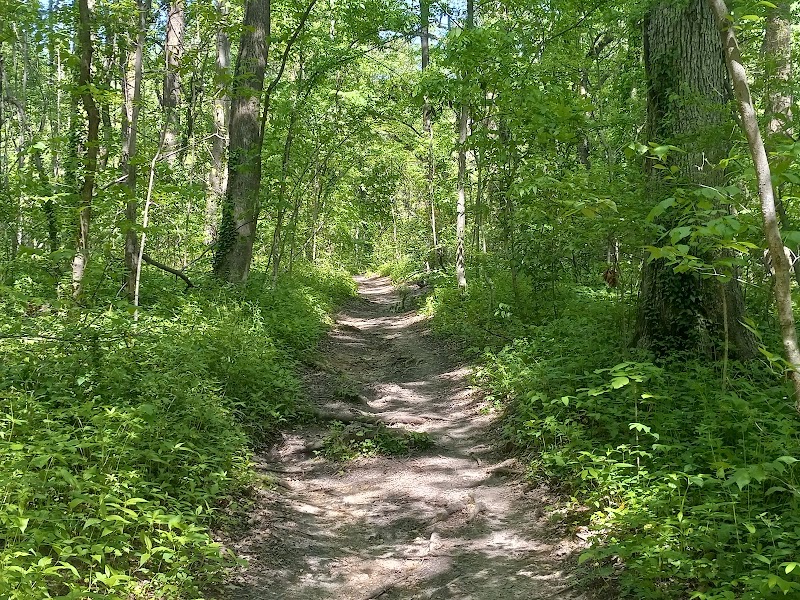
Memphis trails offer an inviting mix of urban edge and natural ruggedness, where forested paths wind beneath towering oaks and creeks murmur with restless energy. Whether trekking the 5.1-mile Meeman-Shelby Forest trails with their moderate 450-foot elevation gain or exploring the quieter Shelby Farms Greenline, hikers encounter wildlife that is fiercely itself — from curious foxes to soaring hawks and the subtle rustle of turtles in the shallows. Respecting this living landscape means more than staying on the path; it’s an active dialogue with the wild.
Safety begins with awareness. Keep a safe distance from wildlife — a minimum of 50 feet whenever possible — and never feed animals, which disrupts their natural habits and can lead to dangerous encounters. Stay calm if you find yourself face-to-face with a raccoon or a snake; sudden movements invite conflict. Instead, back away slowly and give these creatures room to continue their rings of territory free from human interference.
Etiquette extends to sound and sight. Voice levels should stay low; crisp calls might scare birds or small mammals quietly foraging nearby. Use binoculars or cameras with zoom capabilities to capture moments without encroachment. Litter is a serious hazard—pack out all trash and keep food sealed, especially near water sources where nectar-feeding hummingbirds and amphibians thrive.
Trail conditions in Memphis vary from soft dirt to compacted gravel and occasional rocky patches, requiring sturdy footwear with good traction. Hydrate well before and during hikes—summer humidity presses on the lungs, urging more frequent water breaks. Early morning and late afternoon hikes bring cooler temps and a chance to spot deer or owls waking from their daylight rest.
Prepare for rapid weather shifts typical to the region; a sudden thunderstorm can turn easy terrain slippery and rivers into commanding currents daring you to retreat. Ensure your phone or GPS device is charged, and let someone know your route and expected return. Know local regulations—some trails prohibit pets during peak seasons to protect sensitive wildlife habitats.
Engage with Memphis nature as an equal rather than an invader. These trails are classrooms in patience and respect, offering thrill without recklessness. The wild here is not tamed but negotiated with intention, where every step is part of a continuing story between human and habitat.
Plan your Memphis trail adventure prepared: durable shoes, plenty of water, layered clothing, and an understanding heart. Await the crackle of leaves, the watchful eyes of passing wildlife, and the ever-moving river that pushes forward as you walk alongside, keen to keep mutual respect alive on every expedition.
Nearby Trips
All Adventures
Boat Charters
Water Activities
Adventures near Memphis
Discover the unique and memorable adventures that make Memphis special.
Frequently Asked Questions
What wildlife can I expect to see on Memphis trails?
Common sightings include white-tailed deer, red foxes, various hawks, and turtles near water. Early mornings or late afternoons heighten chances for spotting elusive animals.
Are there any snake species hikers should be aware of?
Yes. Cottonmouths and timber rattlesnakes inhabit parts of Shelby Forest and waterside trails. Stay on paths, watch your footing, and give snakes room if encountered.
Can I bring my dog on these trails?
Pets are allowed on some trails but restricted during breeding seasons to limit disturbance. Always check trail rules beforehand and keep pets leashed.
What is the best time of day to avoid crowds?
Early morning offers solitude and active wildlife, while late afternoons also see fewer hikers but be mindful of sunset times.
How should I manage food and trash to avoid attracting wildlife?
Store food securely, use sealed containers, and never leave trash behind. Pack out everything to eliminate temptation for animals.
Are there any specific trailhead resources or ranger stations?
The Meeman-Shelby Forest State Park visitor center provides maps, safety updates, and guidance—make it your first stop for trail conditions.
Recommended Gear
Sturdy Hiking Shoes
Provide traction on mixed terrain including dirt, gravel, and slippery rocks.
Water Bottle or Hydration Pack
Hydration is critical in warm, humid conditions typical of Memphis summers.
Lightweight Rain Jacket
Protects against spring showers and unpredictable weather.
Binoculars
Ideal for observing distant wildlife without disturbing their natural behavior.
Local Insights
Hidden Gems
- "The Hidden Pond Overlook — a quiet viewpoint overlooking a small wetland with frequent bird activity."
- "The Old Stagecoach Road section near Shelby Farms, where historic wagon ruts etch the terrain."
Wildlife
- "Barred owls, known for their haunting calls at dusk."
- "River otters inhabiting the Wolf River’s tributaries."
History
"Trails pass near sites tied to Native American pathways and early colonial settlement routes, adding a cultural layer to outdoor exploration."