
Prime Seasons for Wildlife Encounters on Memphis Forest Rides
Explore the forest trails around Memphis during their peak wildlife seasons. Whether you’re after the chorus of spring songbirds or the stirring movement of fall deer, this guide offers practical insights to plan your adventure and optimize your chances for memorable animal sightings.
Start Early or Late
Wildlife is most active during dawn and dusk. Plan your forest rides accordingly to catch animals in motion while temperatures remain cooler.
Wear Trail-Ready Footwear
Choose boots or shoes with solid grip and ankle support to handle rocks, roots, and sometimes slippery terrain along Memphis forest trails.
Carry Binoculars
A modest pair of binoculars will greatly enhance your ability to spot and quietly observe wildlife from a distance without disturbing them.
Hydrate Constantly
Keep water with you and take regular sips, especially during spring and summer months when humidity can fatigue you faster than expected.
Prime Seasons for Wildlife Encounters on Memphis Forest Rides

1 Hour Ride
$69 Riders must be 8 and older, at least 50" tall and under 240 lbs
Discover the peaceful joy of a one-hour horseback ride through Shelby Farms Park, where lush woods and local wildlife create a perfect escape in Memphis. Ideal for all ages, this experience offers a gentle journey into Tennessee’s natural beauty.
Memphis’ forest trails invite adventurers to walk among trees that watch silently as wildlife moves with quiet purpose. The best times to catch these elusive moments depend on the rhythms of the local ecosystem. Spring and fall emerge as the most rewarding seasons for wildlife sightings during forest rides around Memphis, Tennessee.
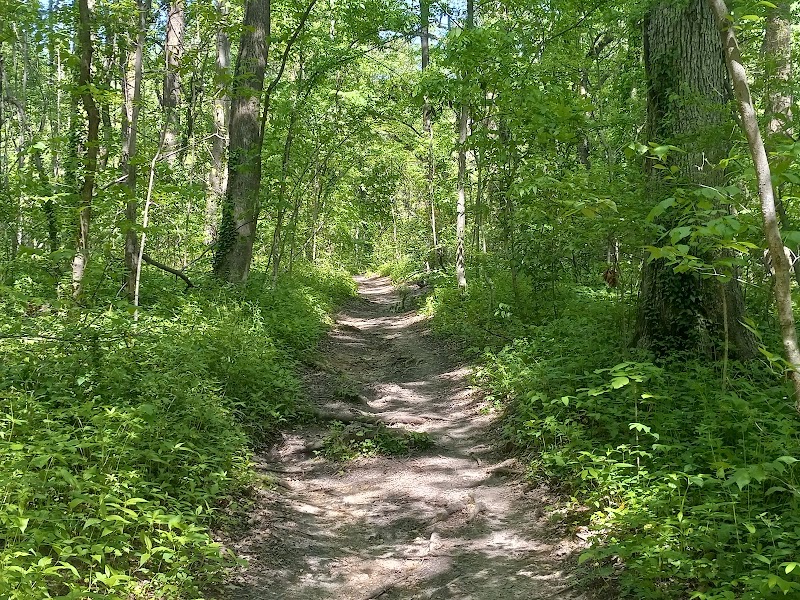
In spring (March to May), the forest awakens with rapid growth and renewal. The trails, spanning from 3 to 7 miles with moderate elevation gains up to 500 feet, wind through dense hardwood cover and alongside streams pushing forward with winter’s melt. This season is prime for spotting migratory songbirds, deer cautiously emerging from winter habits, and the occasional fox pausing with intent. The air carries the damp scent of fresh earth, and new green leaves rustle gently, almost inviting you to move silently and respect the forest's pulse.
Fall (September to November) offers a different energy as the forest prepares for winter. Cooler temperatures sharpen senses and the rustle of dry leaves underfoot accompanies journeys along well-marked, varied terrain that challenges with rocky patches and mild inclines. This season intensifies the chances of seeing white-tailed deer in rut, wild turkeys strutting with purpose, and squirrels that chatter warnings while guarding their stored treasures. Amber and rust colors flare up, framing each viewpoint. In both seasons, dawn and dusk hikes yield the richest animal encounters, when forest creatures are most active.
Summer (June to August) brings its own wildlife highlights but with heat and humidity as active challengers. Early mornings here reward with glimpses of raccoons foraging and abundant songbird activity before the sun dares to claim the sky. By midday, the forest becomes quieter, save for the steady hum of insects and occasional splash from a hidden creek that dares you to cool off.
Winter (December to February) quiets the forest to a whisper. While wildlife sightings are fewer, hardy species like owls and the quick-footed cottontail share clearings and frozen streams. Trail distances shorten in winter as the colder air demands readiness and attention to footing on slick leaves or frost-armed roots.
Practical advice for any season: equip yourself with sturdy hiking boots to handle mixed terrain, bring layered clothing to adapt to sudden temperature shifts, and carry at least two liters of water to stay hydrated, especially on warmer days or longer rides. A good pair of binoculars sharpens the eye, turning movement into a story.
The forest is a constant presence—alive, fiercely itself, and willing to reveal its secrets to those willing to see without disturbing. Prepare well, move thoughtfully, and you’ll find the Memphis forest trails rich with encounters, from the predictable to the surprising.
Nearby Trips
All Adventures
Boat Charters
Water Activities
Adventures near Memphis
Discover the unique and memorable adventures that make Memphis special.
Frequently Asked Questions
When is the best time of day for spotting wildlife in Memphis forests?
Dawn and dusk are the prime windows for wildlife activity. Animals feel safer foraging in the cooler, quieter parts of the day, making early morning or late afternoon hikes most rewarding.
Are the Memphis forest trails suitable for beginners?
Most trails range from easy to moderate, featuring moderate elevation gains and well-maintained paths. Beginners who maintain a steady pace and come prepared can enjoy the rides comfortably.
What kinds of animals am I most likely to see on these rides?
Expect to see white-tailed deer, wild turkeys, raccoons, and a variety of songbirds. Foxes and owls appear seasonally but require patience and quiet attention.
How can I minimize my impact on the wildlife while hiking?
Stick to established trails, keep noise levels low, avoid feeding or approaching animals, and carry out all your trash to protect the forest’s natural balance.
Are there any hidden spots in the Memphis forests worth exploring?
Yes, look for the overlook near the Wolf River bluff for a sweeping view of the forest canopy. Also, less traveled side paths near creeks offer calmer settings for wildlife spotting.
What cultural or historical features might I see on these forest rides?
Some trails follow old logging roads and pass remnants of early settlement sites, marked by interpretive signs that highlight local history related to forest use and Native American heritage.
Recommended Gear
Sturdy Hiking Boots
Supports ankles and provides grip on mixed terrain including rocky and slippery sections.
Water Bottle or Hydration Pack
Maintaining hydration is vital during warmer months and longer hikes.
Light Layered Clothing
Allows quick adaptation to temperature swings common in forested areas.
Binoculars
Enhances wildlife viewing without disturbing animals.
Local Insights
Hidden Gems
- "Wolf River bluff overlook"
- "Secluded creek-side marsh areas"
- "Old hardwood groves along less frequented side paths"
Wildlife
- "White-tailed deer"
- "Wild turkeys"
- "Raccoons"
- "Owls"
- "Foxes"
History
"The forest trails weave through lands once managed for timber and hunting by early 19th-century settlers. Some routes follow Native American pathways, connecting visitors to deep cultural layers beneath the forest floor."