
Maximizing Scenic Stops During Private Willamette Valley Wine Tours
Unlock the full potential of your private wine tour in Oregon’s Willamette Valley by integrating scenic stops that bring the region’s wild beauty into focus. From forested trails to panoramic vineyard overlooks, this guide shares practical tips to elevate your journey with immersive outdoor experiences alongside premium tastings.
Choose Footwear with Traction
Trails around vineyards vary from soft dirt to rocky gravel. Hiking shoes with solid grip keep you steady across these mixed terrains.
Stay Hydrated During All Stops
Carry at least two liters of water per person, especially during warmer months or longer hikes to prevent fatigue and dehydration.
Plan Timed Breaks for Photo Opportunities
Pause strategically at overlooks during early morning or late afternoon light to capture the valley’s layered landscapes in their best detail.
Layer Clothing for Variable Weather
Willamette Valley’s conditions can shift quickly; pack breathable layers to adjust comfortably to cool mornings and warmer afternoons.
Maximizing Scenic Stops During Private Willamette Valley Wine Tours

Willamette Valley Wine Tasting, Yamhill/Carlton AVA
$90 per person with a minimum purchase of 6 tickets | Private Tour | 21+
Experience the best of Oregon's Willamette Valley with a private guided wine tasting tour. Explore acclaimed wineries, enjoy tasting premium wines, and learn about the region’s rich viticultural history—all in an exclusive, personalized setting.
The Willamette Valley isn't just about wine; it's a vibrant landscape daring you to explore beyond the vineyard gates. When planning a private wine tour here, the key to a richer experience lies in the scenic stops peppered throughout the region. Whether you’re stepping out for a brisk walk among windswept hills or pausing to drink in views framed by lush evergreens, these moments ground your trip in the valley’s fierce natural character.
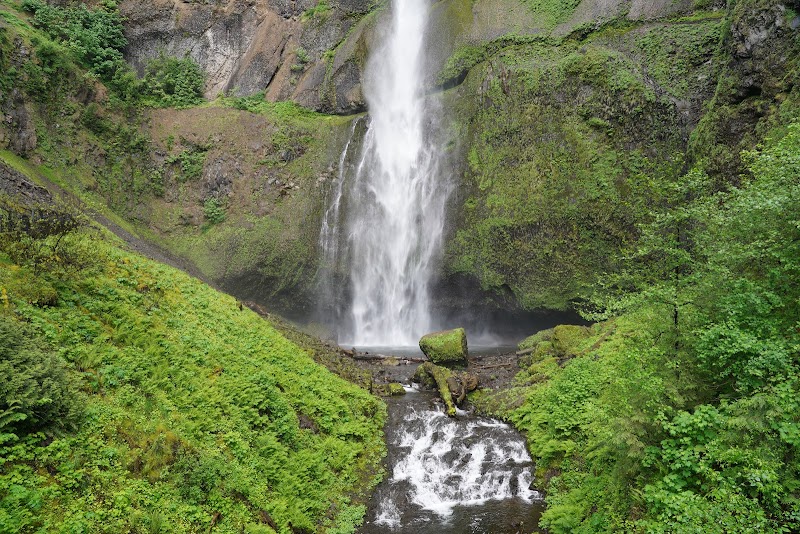
Start early. Mornings bring softer light and cooler air—ideal for hikes that range from short 2-3 mile rambles to more demanding 6-8 mile loops with moderate elevation gains around 500 feet. Trails near key wineries often wind through forested paths and alongside streams that push forward assertively, cutting through moss-covered rocks and whispering ancient stories.
Key stops worth mapping include Buell Creek Preserve and the Laurelwood Hills, where terrain varies from compact soil to gravel, demanding sturdy footwear with good grip. Staying hydrated is crucial; pack at least two liters of water per person, especially during warm months when the sun claims the sky. Use breathable clothing and bring layers—weather here flips like a switch, with chill descending suddenly through open ridges.
Pair each wine tasting with an outdoor break that matches your energy levels and interests. For casual walkers, a 30-minute stroll along a river trail curving under old growth Douglas firs creates a natural palate cleanser. Adventurers might push further to overlook points offering panoramic views of rolling vineyards stitched tightly with winding country roads carrying the scent of fresh pine and earth. These vantage points engage more than your eyes; the breeze might carry bursts of wildflowers or the sharp cry of hawks circling silently above.
Drive intervals between stops are brief, but plan your route so that the environment feels continuous rather than segmented. Every vineyard and trail is fiercely itself—respect its tempo and rhythms. Let the landscape breathe with you, taking time to notice how light shifts, how the wind moves through grass and branches.
Your guide can be more than a driver. Enlist one knowledgeable about local ecosystems and history to deepen the experience. You’ll learn how these lands shaped both indigenous cultures and modern viticulture, adding layers of context to each sip of pinot noir or chardonnay. Finally, capture your adventure thoughtfully. Early morning or late afternoon offers the cleanest light for photos—use this time to frame sweeping hills, detail rich forest textures, or wildlife glimpses like deer pausing cautiously at trail edges.
With mindful planning, each stop on your private Willamette Valley wine tour becomes more than a pause—it transforms into an integral, invigorating part of the journey, connecting you to the land, the wine, and the adventure in equal measure.
Nearby Trips
All Adventures
Boat Charters
Water Activities
Adventures near McMinnville
Discover the unique and memorable adventures that make McMinnville special.
Frequently Asked Questions
What are some lesser-known scenic stops on Willamette Valley wine tours?
Beyond major vineyards, Buell Creek Preserve and Laurelwood Hills offer hidden forest trails and quiet river views that many tours skip but reward with rich natural encounters.
Which local wildlife might I see during these scenic stops?
Keep an eye out for black-tailed deer, hawks circling overhead, and occasional river otters near streams. Early mornings offer the best chances to spot more elusive animals.
How does the valley's history influence the wine and landscape?
The Willamette Valley's soils and topography have shaped vine selection and wine profiles, with indigenous peoples historically managing these lands and early settlers incorporating traditional stewardship into modern agriculture.
What environmental practices should visitors respect during their stops?
Stick to established trails to protect fragile undergrowth, avoid disturbing wildlife, and carry out all trash to preserve the valley’s fragile ecosystems.
Are there short hikes suitable for all ages on these tours?
Yes, many wineries offer adjacent flat or gently rolling walks of 1-2 miles along vineyards and creek edges, accessible for families and casual walkers.
When is the best time of day for photos at scenic stops?
Early morning and late afternoon provide angled, softer light that enhances colors and textures, making landscapes and wildlife shots more dramatic without harsh shadows.
Recommended Gear
Hiking Shoes with Good Traction
Stable shoes are vital across rocky, uneven, and sometimes slick trails common near vineyards.
Reusable Water Bottle or Hydration Pack
Carrying sufficient water prevents dehydration, especially when pairing hikes with wine tastings.
Breathable Layered Clothing
Layering helps manage fluctuating temperatures and unexpected weather changes during your trip.
Sun Protection (Hat and Sunscreen)
Strong midday sun can catch travelers off guard; hats and sunscreen provide necessary defense.
Local Insights
Hidden Gems
- "The overlook at Iron Mountain Vineyard offers sweeping views that many tours overlook."
- "The quiet creek crossings at Buell Creek Preserve reveal a network of old logging paths."
Wildlife
- "Black-tailed deer roaming vineyard edges at dawn."
- "Red-tailed hawks hunting above open fields."
- "River otters spotted near forest streams."
History
"The valley’s viticulture builds on traditions dating back to indigenous tribes who managed the land’s ecology, with European settlers adapting these landscapes into some of the nation's premier wine-growing regions."