Skolai Pass offers remote wilderness hiking deep within Alaska’s Wrangell-St. Elias National Park. Accessible only by small plane, this rugged trail invites adventurers prepared for shifting terrain and wild weather. Discover how essential gear and careful planning unlock one of Alaska's most stirring backcountry experiences.
Pack Light but Smart
Limit your pack weight for the fly-in flight but never sacrifice essential gear like navigation tools and layered clothing.
Prepare for River Crossings
Water currents can be swift and unpredictable; waterproof boots and trekking poles improve safety and stability.
Time Your Flight Carefully
Book your charter during early morning for better weather windows and calmer winds, reducing delays or cancellations.
Stay Hydrated with Trusted Filtration
Bring a reliable water filter since natural water sources flow fast but may contain sediment or biological contaminants.
Gear Up Right: Essential Kit for Skolai Pass Fly-In Hikes in Alaska

Skolai Pass Fly-In Hiking
Starting at $1,900 • All Ages Welcome • 10 Hours • Must be in Good Physical Condition
Experience the thrill of flying into Alaska's remote Skolai Pass and exploring its stunning alpine scenery on a guided hike. This adventure combines aerial grandeur with rugged trail exploration for an unforgettable outdoor experience.
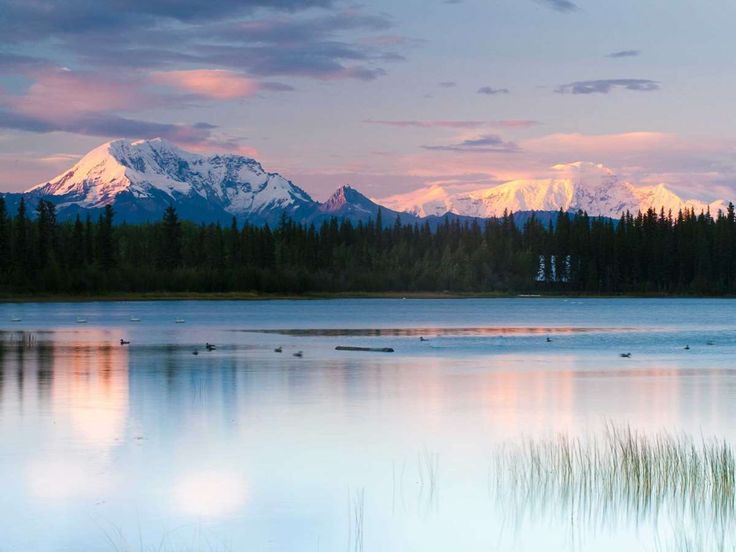
Skolai Pass challenges every hiker who dares to step onto its forested trails and alpine tundra. Located deep within the Wrangell-St. Elias National Park, this remote fly-in hike distances around 10 miles one way, with an elevation gain roughly 2,400 feet. The terrain shifts from dense spruce and birch forests—where rivers dare you to cross with their surging currents—to open ridges offering sweeping panoramas of glacial valleys and rugged peaks that stand fiercely themselves.
Preparation is your best ally here. Since access comes by small aircraft, every ounce counts, making a lean but complete packing list critical. Footwear must balance sturdiness with comfort: waterproof hiking boots deliver traction and protect you from soggy river crossings, while moisture-wicking socks keep your feet resilient against chilly Alaskan mornings. Layering options allow you to adapt to rapidly changing weather—from sunlit warmth to sudden, brisk mountain chills.
Fly-in timing influences your experience too. Summer, from mid-June to early September, presents stable trails, vibrant wildflowers, and extended daylight, ideal for longer treks. Spring and fall come with unpredictability: snow patches can linger, and sudden storms test your gear’s durability. Winter, though stunning, demands specialized equipment and experience.
Hydration and nutrition carry you through this fiercely wild environment. Water filters are indispensable; streams run cold but swift, constantly pushing forward, tempting you to drink directly but holding unseen debris. Compact, calorie-dense food supplies ensure energy without weight.
Pack a reliable map and compass or GPS—cell service is non-existent—so you navigate the wilderness on your terms, responsive to its moods. Emergency equipment like a satellite messenger adds a vital safety step.
Skolai Pass isn’t an easy walk in the woods, but it’s an adventure that tests both resolve and respect for nature’s uncompromising rhythms. Gear thoughtfully, know your limits, and the pass will reward you with a journey through Alaska’s raw beauty and relentless challenge.
Nearby Trips
All Adventures
Boat Charters
Water Activities
Adventures near McCarthy
Discover the unique and memorable adventures that make McCarthy special.
Frequently Asked Questions
What is the best way to access Skolai Pass?
Skolai Pass is accessible only by chartered small aircraft flying from nearby hubs like McCarthy or Wrangell. Booking in advance with local air services ensures timely arrival and departure.
Are there marked trails to follow at Skolai Pass?
The trail itself is loosely defined, often following natural game paths. Carry detailed topographic maps and use GPS navigation since signage is minimal or absent.
What wildlife might hikers encounter on this route?
Bears, Dall sheep, moose, and various bird species frequent the area. Hikers should carry bear spray and remain alert to wildlife activity, especially near water sources.
Is camping allowed along the Skolai Pass trail?
Yes, dispersed backcountry camping is permitted. Choose campsites respecting Leave No Trace principles, away from fragile tundra and water bodies.
What weather conditions should I be prepared for?
Expect rapid changes—from bright sun to rain or fog—and temperatures fluctuating widely, especially at higher elevations. Dress in layers and carry rain gear always.
Are guided tours recommended for first-time visitors?
Given the remoteness and technical navigation needed, guided trips provide added safety and local knowledge, ideal for less experienced hikers.
Recommended Gear
Waterproof Hiking Boots
Protect your feet during wet and uneven river crossings while offering crucial ankle support on rocky paths.
Layered Clothing System
Combines moisture-wicking base layers, insulating mid-layers, and a waterproof shell to adapt to sudden weather shifts.
Portable Water Filter
Alaska’s streams run cold but carry sediment and microorganisms; filtration ensures safe hydration throughout the hike.
Satellite Messenger or PLB
Emergency communication is critical in this remote area without cell coverage, enhancing safety during unforeseen events.
Local Insights
Hidden Gems
- "A lesser-known viewpoint east of the main pass offers unobstructed sunrise vistas over the Kennedy Glacier."
- "Small alpine lakes situated near the ridge hold striking reflections of surrounding rugged peaks."
Wildlife
- "Keep an eye out for mountain goats balancing on sheer rocky ledges and the elusive gray wolves that roam quietly through the forests below."
History
"The area around Skolai Pass historically served as a travel route for indigenous Ahtna people and later prospectors during early 20th-century mining booms."