Hiking the tundra around Mt. Wrangell offers an intense encounter with Alaska's raw wilderness. This guide breaks down essential gear tips to prepare for shifting weather, rugged terrain, and extended isolation, ensuring your adventure stays safe and rewarding.
Layer Strategically for Variable Weather
Use moisture-wicking base layers, insulating fleeces, and waterproof shells to quickly adjust as temperatures and precipitation change throughout the day.
Bring a Reliable Water Filtration System
Natural water sources are plentiful but can harbor pathogens—carry a filter or purification tablets to stay hydrated safely.
Choose Footwear with Good Grip and Ankle Support
Tundra soil can be uneven and wet with loose volcanic gravel; boots need to protect your feet while offering solid traction.
Know Your Navigation Tools
Carry detailed maps and a compass; GPS devices serve as backups but can fail due to cold or lack of satellites in deep valleys.
Essential Gear for Tundra Hiking Near Mt. Wrangell, Alaska

Wrangell Plateau Fly-In Hiking
Starting at $3,550 • All Ages Welcome • 10 Hours • Minimal Experience Required
Discover remote Alaskan landscapes on this exclusive fly-in hiking adventure. Perfect for outdoor lovers seeking untouched wilderness and breathtaking scenery with expert guidance.
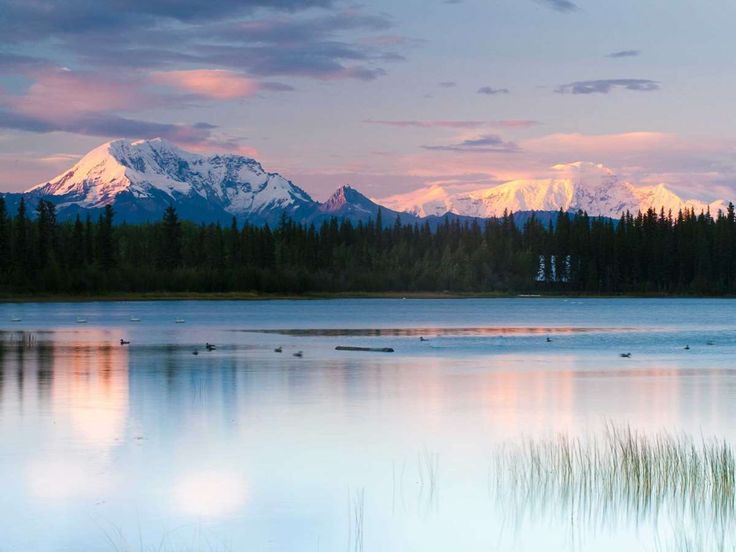
Mt. Wrangell stands as one of Alaska’s most formidable active volcanoes, surrounded by vast tundra landscapes that push hikers into an environment that is both stunning and fiercely untamed. Hiking here demands more than enthusiasm—gear decisions can shape the entire experience. Understanding the terrain, weather, and logistics transforms this wild expanse from a daunting challenge into a thrilling, manageable adventure.
The hiking route around Mt. Wrangell typically covers stretches of up to 15 miles round-trip with elevation gains between 1,500 and 2,200 feet, depending on your chosen trail. The tundra terrain is a mix of uneven rocky paths, spongy moss, and occasional wetlands, each step inviting both wonder and caution. The wide-open spaces expose you to wind that can shift from a steady whisper to a harsh push without warning. This is nature asserting itself, reminding hikers that preparation is critical.
Begin packing with layered clothing designed for adaptability. The temperature can swing rapidly—morning frost gives way to afternoon warmth, but wind chill bites consistently. A breathable, waterproof outer shell is indispensable, as rainfall and sleet are common even in summer. Underneath, moisture-wicking base layers and an insulating mid-layer like fleece or synthetic fill keep you balanced and dry.
Your boots are your foundation. Waterproof hiking boots with robust ankle support and aggressive lugs for grip will guard feet through bogs and loose volcanic gravel alike. Pair these with wool or synthetic socks designed to manage moisture and prevent blisters during long sections.
Hydration is not just about water—it’s survival. The altitudes and wind dry out your body unexpectedly. Carry at least 3 liters of fluid, using insulated bottles or bladders to prevent freezing near icy creeks that dare you to refill. At the same time, bring a reliable water filter or purification tablets for natural sources.
Navigation gear must include a compass and maps, as the tundra’s sparse vegetation offers few clear landmarks. GPS devices are helpful but shouldn’t be your only guide—batteries deplete fast in cold.
Packing food requires planning for energy and weight. High-calorie, compact snacks like nuts, jerky, and energy bars provide fuel without burden. A lightweight stove can be a game-changer for warming up both meals and spirits.
Finally, safety gear rounds out the list: a first aid kit, emergency shelter, and communication device like a satellite messenger keep you secure when the wilderness decides to get serious.
The tundra around Mt. Wrangell doesn’t apologize for its raw character—it challenges you to respect its pace and mood. Proper gear lends you confidence to move through the landscape attentively. It’s an invitation to experience a world where every gust of wind and each glance across mossy fields is a conversation with a place fiercely itself.
Nearby Trips
All Adventures
Boat Charters
Water Activities
Adventures near McCarthy
Discover the unique and memorable adventures that make McCarthy special.
Frequently Asked Questions
What wildlife might I encounter near Mt. Wrangell?
The area hosts Dall sheep, Arctic ground squirrels, and occasionally brown bears. Birds like ptarmigans and ravens are common, each adapted to the tundra’s gritty reality.
Are there any lesser-known viewpoints around Mt. Wrangell?
Yes. The ridge east of the main summit offers sweeping views of the Wrangell-St. Elias valleys far below, often bypassed by most hikers but worth the extra effort for solitude and perspective.
What should I know about the volcanic activity on Mt. Wrangell?
Mt. Wrangell is an active shield volcano with occasional gas emissions. While eruptions are infrequent and monitored, hikers should stay informed via park alerts and avoid fumarole areas where gases escape.
How do environmental concerns shape the hiking experience?
The tundra ecosystem is fragile; stick to established paths to avoid trampling moss and lichens that take decades to recover. Pack out all trash to help preserve this fiercely delicate environment.
Is it possible to camp overnight on the tundra near Mt. Wrangell?
Yes, backcountry camping is allowed but requires careful site selection away from water sources to prevent contamination and minimize impact. Prepare for rapid weather changes and insect protection during summer.
How challenging is navigation across the tundra landscape?
Without trees or distinct landmarks, the open tundra requires constant attention to map and compass skills. Weather can obscure visibility quickly, so practicing robust navigation is crucial.
Recommended Gear
Waterproof Hiking Boots
Protect feet from wet tundra bogs and provide traction on volcanic rock and mossy ground.
Layered Clothing System
Offers versatility to adapt between freezing mornings, warm afternoons, and wet conditions.
Portable Water Filter
Allows safe hydration from streams that challenge you to drink, crucial for longer excursions.
Satellite Communication Device
Provides emergency contact possibilities in areas without cell service — recommended for solo or remote hikes.
Local Insights
Hidden Gems
- "East ridge viewpoint overlooking the Nizina Glacier"
- "Quiet pools amid sphagnum moss that reflect the volcanic sky"
- "Small thermal vents near fumarole fields offering warmth in chill air"
Wildlife
- "Dall sheep"
- "Brown bears"
- "Arctic ground squirrels"
- "Ptarmigans"
- "Ravens"
History
"Mt. Wrangell was historically significant to the Ahtna Athabascans and later Russian explorers. The volcano has shaped local culture and stories, tied to survival in an often extreme landscape."