Timing Considerations for a Safe Yosemite Multi-Sport Day
Yosemite’s diverse terrain invites multi-sport adventurers to combine hiking, running, and light scrambling all in one day. Learning how to time your journey around the park’s natural rhythms ensures a safer, more rewarding experience from dawn to dusk.
Start Early to Avoid Heat
Begin your multi-sport adventure by 6:30–7 a.m. to take advantage of cooler morning temperatures and maximize daylight.
Hydrate Proactively
Bring minimum two liters of water and plan refills near reliable water sources like the Merced River. Use purification systems if needed.
Choose Appropriate Footwear
Opt for trail runners or lightweight hiking shoes with good grip and water resistance for varied, sometimes slippery terrain.
Monitor Weather Closely
Afternoon storms can develop quickly; plan to be off exposed ridges and river crossings well before noon to avoid hazardous conditions.
Timing Considerations for a Safe Yosemite Multi-Sport Day

Yosemite Valley Triathlon Adventure | Hike, Bike & Swim
Discover the thrill of a combined hiking, biking, and swimming adventure in Yosemite with Echo Adventure Cooperative. Explore stunning landscapes, challenge yourself physically, and enjoy personalized guidance throughout this unique outdoor experience.
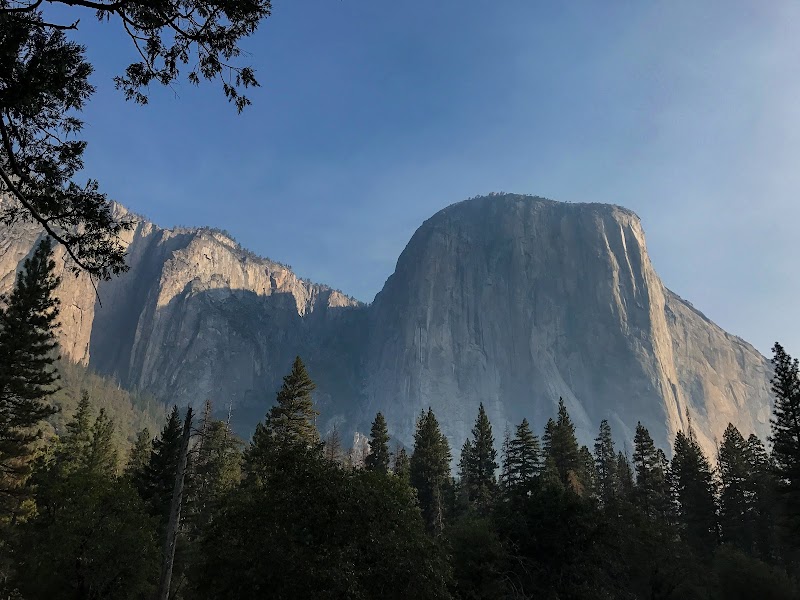
Yosemite’s wild spaces offer the kind of multi-sport challenges that test endurance and timing in equal measure. Combining hiking, perhaps a stretch of trail running, and some light scrambling or cycling, one day here demands respect for the clock just as much as the terrain. Morning light slips between granite cliffs, awakening the forest paths that wind through pine-studded valleys and along rivers daring you onward. But the mountain urges more than enthusiasm; it pushes for preparation and precise timing to avoid its often harsh midday shifts.
Start early. The park’s elevation brings cool, crisp air at dawn, perfect for traversing steep climbs without overheating. Trails such as the Yosemite Falls Loop or the Mist Trail to Vernal Fall provide a firm mix of steady elevation gain—expect 1,000 to 2,000 feet across 5 to 7 miles—and varied terrain from packed dirt to slick rock slabs. Starting before 7 a.m. not only helps beat the heat but maximizes daylight, which fades fast as shadows gather below towering pines.
Hydration is your constant companion here. The Merced River and shaded forest pockets offer brief respites; yet, the mountain’s sun—when it arrives—can strip moisture unexpectedly. Pack at least two liters per person, supplemented by water purification options if extending beyond marked spots. Footwear needs to grip, protect, and breathe; consider trail runners with sturdy soles or low-profile hikers equipped for wet and rocky sections alike.
Midday brings challenge. The granite heats, sweat pours, and river crossings can swell suddenly with downstream runoff. Many injuries and fatigue stem from poor timing—afternoon storms sweep in with little warning, turning paths slick and rivers into roiling forces demanding respect. Plan to be off exposed edges and well within safer terrain before noon if possible. A midday break in shaded clearings offers a rhythm pause, letting muscles rest and the mind reset.
As afternoon wanes, the air cools again, but fatigue grows. No rush to the finish line, maintain steady pacing. Familiarize yourself with your route’s exit points; park rangers recommend aiming to complete core multi-sport sections before 4 p.m., leaving wiggle room for descent and transit back to camp or car.
This timing dance isn’t about conquering nature but engaging with it—acknowledging Yosemite’s fierce self. Its rivers push, its sun blazes, and its cliffs rest heavy above. Successful days hinge on this dialogue, carefully planned and physically respectful. With early starts, smart hydration, durable gear, and an eye on shifting conditions, you’ll move not just through space but with the elements, staying safe as you explore the park’s vibrant pulse in a single multi-sport day.
Nearby Trips
All Adventures
Boat Charters
Water Activities
Adventures near Mariposa
Discover the unique and memorable adventures that make Mariposa special.
Frequently Asked Questions
What is the safest time of day to undertake a multi-sport route in Yosemite?
Starting before 7 a.m. is safest. Early morning offers cooler temperatures and more stable trail conditions, reducing the risk from heat and afternoon thunderstorms.
Are there water sources available along typical multi-sport trails?
Yes, along routes near the Merced River and Vernal and Nevada Falls, but water levels fluctuate seasonally. Carry purification methods and verify availability beforehand.
How should I prepare for sudden weather changes on these routes?
Layered clothing, regular weather updates, and early completion of exposed sections help mitigate risk. Afternoon storms often develop quickly, so adjust your schedule accordingly.
Is technical climbing experience required for a Yosemite multi-sport day?
No advanced technical climbing is needed; however, some scrambling and careful footing on rocky terrain are common, so basic comfort with uneven surfaces is important.
What wildlife might I encounter on a multi-sport day in Yosemite?
Expect deer, black bears (rarely encountered), squirrels, and a variety of birds. Keep a safe distance and secure food properly to minimize wildlife interactions.
Are there less crowded trail options for this type of multi-sport activity?
Trails like the Pohono Trail or the High Sierra Camps route offer fewer people than the Mist Trail or Yosemite Falls Loop, providing a more solitary experience.
Recommended Gear
Hydration Pack or Bottles
Carries enough water for heat and exertion; hydration packs allow steady sipping without stopping.
Trail Running Shoes or Low Profile Hiking Boots
Provides grip on rocky and sometimes wet surfaces while allowing breathability and ankle mobility.
Lightweight Layered Clothing
Allows adjustments for changing temperatures, keeping you comfortable from cool dawn to warmer midday.
Portable Water Filter or Purification Tablets
Useful for topping off hydration from natural sources when streams run strong and refills are necessary.
Local Insights
Hidden Gems
- "Glacier Point’s less frequented overlooks for panoramic views without crowds"
- "Taft Point’s fissures and quiet ledges away from the main tourist routes"
Wildlife
- "Mule deer are common in valley meadows during early mornings"
- "Golden eagles sometimes soar above the cliffs scouting for prey"
History
"Yosemite was central to the conservation movement, inspiring both John Muir and early 20th-century park policies to preserve wilderness for public enjoyment."