Sunset Wildlife Viewing: Timing and Conditions to Maximize Your Tour Experience in Yosemite National Park
Yosemite National Park offers unmatched wildlife activity at sunset, where shifting light sparks movement across meadows and forests. Learn how to time your tours and prepare for conditions that reveal the park's most elusive residents as day softens into night.
Arrive Early to Secure a Good Spot
Begin your hike at least 90 minutes before sunset to reach key viewing areas while there's still light and minimal human traffic.
Pack Layers for Sudden Cooling
Temperatures drop fast at sunset—wear moisture-wicking base layers and keep a windbreaker handy to stay comfortable.
Use Quiet Footsteps and Stay Low
Minimize noise and sudden movements to avoid spooking animals; operate on a slow, deliberate pace.
Bring a Headlamp with Red Light
Essential for safe return hikes after dark, red light preserves night vision without disturbing wildlife.
Sunset Wildlife Viewing: Timing and Conditions to Maximize Your Tour Experience in Yosemite National Park
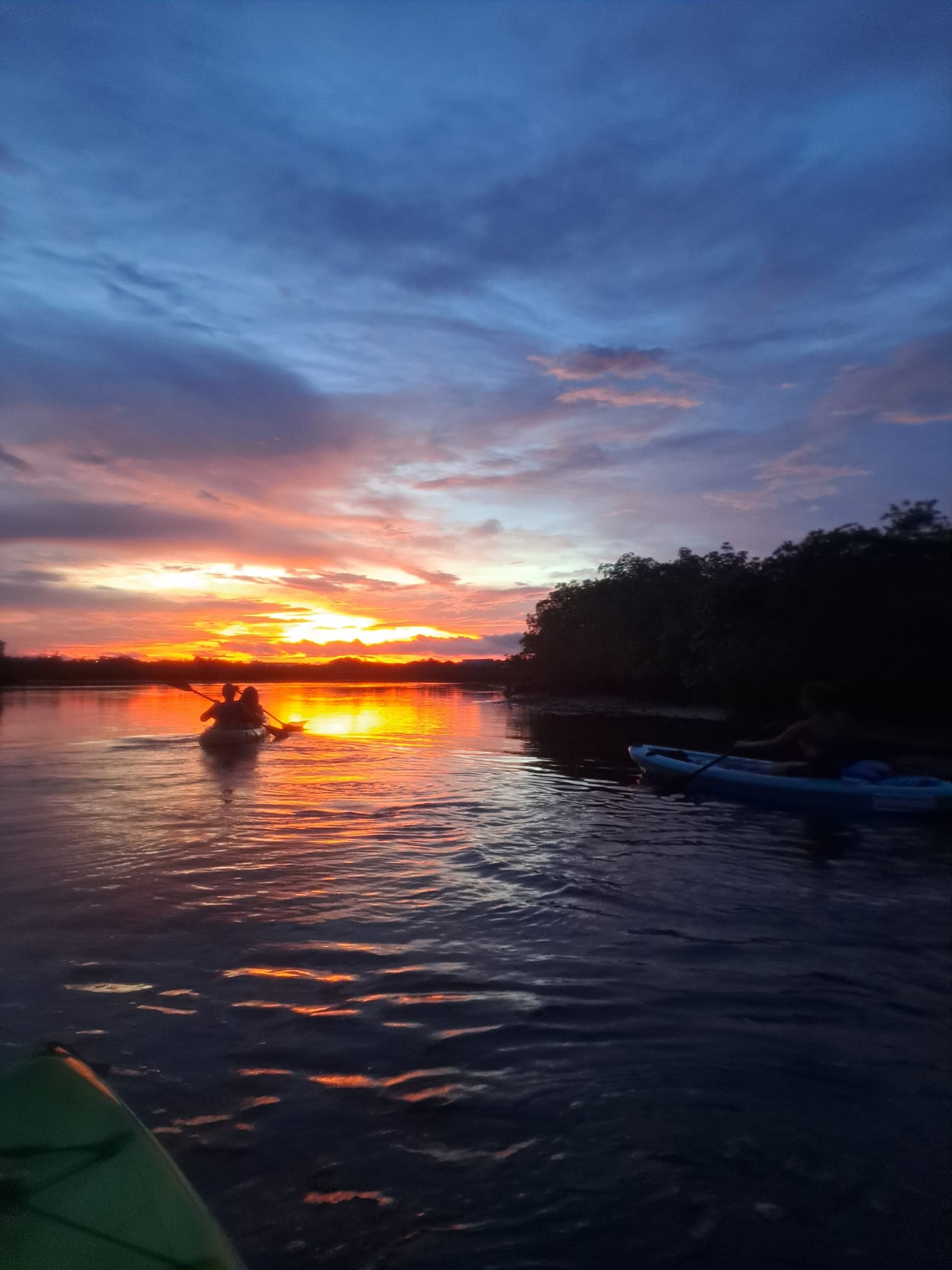
Sunset Tour
$44 to $49 Per Person • All Ages • 2 Hours • Single and Tandem Kayaks
Get ready to witness Florida’s wildlife come alive at sunset on a kayak tour in Tarpon Springs. Paddle through calm waters, watch hundreds of bats emerge at dusk, and enjoy stunning views as the day winds down. An adventure perfect for all skill levels seeking a peaceful, nature-filled evening.
Yosemite National Park's sprawling wilderness transforms at sunset, offering some of the richest moments for spotting wildlife. The approach of twilight pulls animals from their daytime cover, igniting movement across meadows and forests. To maximize wildlife encounters during sunset tours here, timing and weather conditions are crucial and demanding of respect.
Start your hike about 90 minutes before sunset, allowing enough time to settle quietly into prime viewing spots like Cook’s Meadow or the base areas near Yosemite Falls. These locations are accessible via well-maintained trails with round-trip distances ranging from 3 to 5 miles and modest elevation gains of about 200-400 feet, a manageable pace for most hikers. The terrain shifts between open meadows where deer graze and dense pine forests where smaller mammals skitter, so prepare for uneven footing and occasional rocky patches.
Optimal timing occurs when the sun dips low but remains visible, bathing the landscape in warm light that triggers wildlife activity. Clear skies or scattered clouds offer the best visibility; a misty or rainy evening tends to quiet the forest, driving animals deeper into cover. Wind is another factor: still air preserves scents and sounds, enhancing your chances to detect animals versus gusty conditions that push quiet creatures to stay silent.
Bring layered clothing as temperatures can drop quickly once the sun passes the horizon. Hydration remains essential; carry at least 1.5 liters per person, and opt for sturdy, broken-in hiking boots to maintain footing on varied surfaces. A headlamp with a red filter will help you navigate safely without alarming wildlife after dark.
The sunset period in Yosemite is a window to witness nature's rhythm: deer pause in silhouette, coyotes begin their calls, and birds start settling in. Each step you take respects the balance of this fiercely wild landscape—it’s about being an observer, not an intruder. By tuning into timing and conditions, your tour becomes less a simple hike and more an engagement with the pulse of Yosemite’s untamed heart.
Nearby Trips
All Adventures
Boat Charters
Water Activities
Adventures near Mariposa
Discover the unique and memorable adventures that make Mariposa special.
Frequently Asked Questions
When is the best time to see wildlife during sunset tours in Yosemite?
Start your hike at least 90 minutes before sunset to position yourself at a quiet spot. Wildlife tends to be most active within 30 minutes before and after sunset, as animals emerge to forage and communicate.
Which animals are most commonly spotted during sunset in Yosemite?
Deer, coyotes, bobcats, and occasionally black bears become visible at dusk. Birds like owls and bats also increase their activity during this time.
Are the trails suitable for beginner hikers during sunset tours?
Most sunset viewing trails are moderate, ranging from 3 to 5 miles round trip with mild elevation changes. New hikers with reasonable fitness can handle them, but sturdiness and some experience with uneven surfaces help.
What weather conditions should I avoid for the best wildlife viewing?
Heavy rain, high winds, or dense fog reduce wildlife activity and visibility. Clear or partly cloudy evenings with little wind create ideal conditions.
Is it necessary to hire a guide for sunset wildlife tours?
Not mandatory, but guides offer local knowledge of animal patterns and safe viewing practices, enhancing your chances and experience.
Are there any environmental codes to follow during these tours?
Yes, maintain a respectful distance from animals, avoid feeding or disturbing them, and stay on established trails to protect sensitive habitats and minimize human impact.
Recommended Gear
Sturdy Hiking Boots
Necessary for traction and ankle support on mixed terrain ranging from forest paths to rocky meadow edges.
Headlamp with Red Light Mode
Critical for safe navigation after sunset without disturbing nocturnal wildlife.
Layered Clothing
Ensures comfort against rapidly cooling temperatures during and after sunset.
Water Bottle or Hydration System
Staying hydrated is vital, especially on warm evenings when exertion can amplify dehydration.
Local Insights
Hidden Gems
- "The less-trafficked Taft Point overlook offers stunning sunset views and occasional bobcat sightings."
- "Mirror Lake trail offers reflective waters that double wildlife viewing opportunities at dusk."
Wildlife
- "Mule deer are often seen grazing at dusk in meadows near the valley floor."
- "Great horned owls begin their calls shortly before dark, signaling the shift to nocturnal activity."
History
"Yosemite Valley holds deep significance for the Ahwahneechee people, whose traditional knowledge of the land includes understanding animal habits and seasonal cycles."