Packing Smart for Yosemite Valley’s Mountain Water Dips
Discover how to pack efficiently for Yosemite Valley’s mountain water dips, combining rugged hiking with exhilarating cold water experiences. This practical guide helps you prepare for trail conditions, hydration, and timing to make the most of your adventure in nature’s fast-flowing currents.
Prioritize Hydration with Filtration
Carry a hydration bladder and a portable water filter to stay hydrated and refill safely from natural water sources en route.
Wear Trail Shoes with Good Traction
Choose waterproof hiking shoes or trail runners with grippy soles to handle wet rocks and slippery terrain along rivers and streams.
Time Your Dips Wisely
Plan your hikes for early morning or late afternoon to avoid heat, reduce crowds, and enjoy gentler water currents.
Protect Your Gear from Water
Use dry bags or waterproof pouches to keep electronics and essentials safe and dry near splashing pools and fast currents.
Packing Smart for Yosemite Valley’s Mountain Water Dips

Private Yosemite Valley Tour & Roosevelt BBQ
Discover the beauty of Yosemite while enjoying a private fishing experience followed by a classic Roosevelt BBQ. Perfect for outdoor enthusiasts seeking a personalized adventure in California’s premier national park.
Yosemite Valley offers some of the most refreshing mountain water dips you’ll encounter on the West Coast. These cool, fast-moving streams and pools challenge hikers to navigate rugged terrain while promising the reward of crisp, invigorating waters that dare you to dive in. Planning your gear properly is crucial—both to stay comfortable on the trail and to safely enjoy the mountain rivers that surge fiercely through the valley.
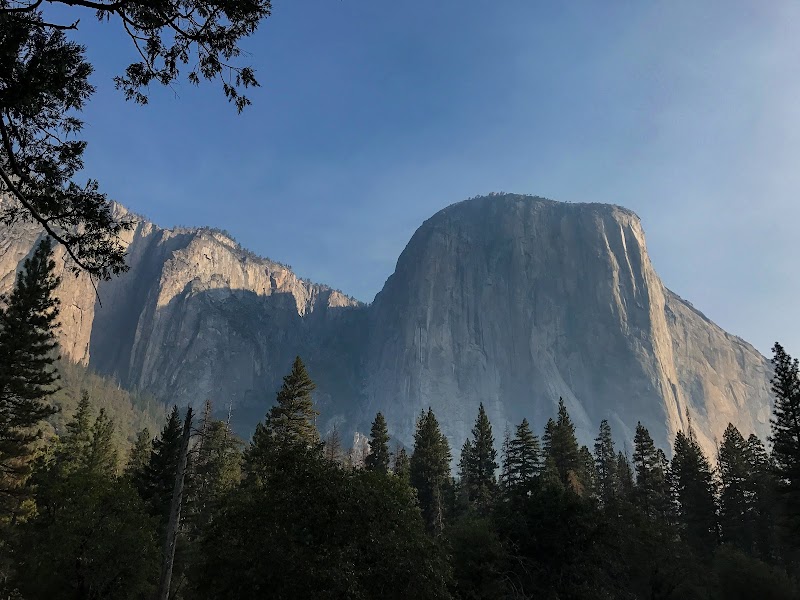
Most popular dips lie along hikes ranging from 3 to 7 miles round trip, with elevation gains between 400 and 1200 feet. Trails wind through dense pine and fir forests, where light filters through, and boulders crowd streams carved by relentless currents. The ground alternates between packed dirt and slippery rock underfoot, requiring sturdy footwear for traction on mossy stones and root-strewn paths.
Start with hydration: Yosemite’s mountain air can dry you out fast, and the physical effort combined with sun exposure demands plenty of water. Using a hydration bladder with a filtered straw or bringing a portable water filter lets you tap into fresher sources along the way without added weight. Footwear needs to grip wet rock and handle slippery river crossings—trail runners with water drainage or lightweight waterproof hiking shoes excel here.
Timing is another major factor. Early mornings or late afternoons are optimal—cooler temps soften the sun’s heat, and fewer hikers are around. Spring and early summer snowmelt feed the streams with cold, rushing currents. These dips invite caution not just with slipperiness but also the surging flow which can push you unexpectedly. Assess conditions closely before entering the water; that thrumming river has its own will.
For gear, a quick-drying swimsuit or moisture-wicking base layers guard against chill both in and out of the water. A compact, absorbent towel and a lightweight windbreaker finish your kit, protecting against cool breezes once you’re out of the dip. Dry bags will secure your electronics and essentials, letting you navigate wet crossings without worry.
Yosemite’s mountain water dips are adventures in respect and exhilaration. They test your preparation and offer moments of clarity where nature asserts itself, fiercely alive and challenging. Pack smart, plan your timing, and these mountain waters will reward you with refreshing vigor along with unforgettable memories.
Nearby Trips
All Adventures
Boat Charters
Water Activities
Adventures near Mariposa
Discover the unique and memorable adventures that make Mariposa special.
Frequently Asked Questions
Are the water currents safe for swimming in Yosemite Valley?
While the mountain waters are refreshing, currents can be unexpectedly strong especially during spring snowmelt or after rains. Assess the conditions before entering, avoid deep or fast rivers, and always enter cautiously.
What’s the best time of day to take a mountain water dip in Yosemite?
Early mornings and late afternoons are ideal because temperatures are cooler, the sun is less intense, and the trails are quieter, making for a safer and more peaceful experience.
How do I keep my gear dry while swimming or crossing streams?
Dry bags or waterproof pouches are essential for protecting electronics, documents, and clothes. Pack any valuables you need close and keep them sealed away from splashes and accidental drops.
Are there any less crowded spots for mountain dips in Yosemite Valley?
Yes. Try Little Yosemite Valley or the Merced River upstream of the popular Lower Falls area. These areas offer calmer pools and fewer visitors but require longer hikes and more preparation.
What wildlife might I encounter near these water dips?
Expect to see deer cautiously approaching water edges, river otters darting under currents, and a variety of bird species. Stay alert and respect their space, especially near nesting areas.
Do I need a permit for hiking to these water dips in Yosemite?
Most day hikes to water dips within Yosemite Valley do not require permits. However, overnight trips or certain areas like wilderness zones may require permits from the National Park Service.
Recommended Gear
Hydration Bladder with Filter Straw
Keeps you hydrated and allows refilling directly from streams safely, essential for long hikes in warm weather.
Waterproof Trail Running Shoes
Provides traction and quick drainage for slippery rocks and wet riverbeds.
Quick-Dry Swimsuit or Base Layer
Keeps you comfortable in and out of the water, dries fast to avoid chill on the trail.
Lightweight Windbreaker
Protects from cool breezes after water dips, especially in cooler seasons.
Local Insights
Hidden Gems
- "The small cascades at the base of the Vernal Fall footbridge offer quiet pools often overlooked by larger crowds."
- "Invisible Cascade, a small waterfall off lesser-known trails, provides a tranquil water dip away from heavy traffic."
Wildlife
- "Look out for river otters playing near flowing water."
- "Mule deer are common around shaded creek areas, especially early morning or dusk."
History
"Yosemite Valley’s waterways were essential to the native Ahwahneechee people, who navigated these streams for food and transportation long before the park was established."