Mastering the Moment: Timing Your Tagalong Adventure in North Cascades National Park
Tagalong Ridge in North Cascades National Park challenges hikers with varied terrain and stunning views. Timing your visit around optimal weather windows ensures a safer and more rewarding experience—whether navigating spring runoff or enjoying crisp fall colors.
Start Early to Beat Heat and Bugs
Plan your hike for early morning to avoid midday heat in summer and reduce encounters with black flies and mosquitoes common along forested sections.
Wear Footwear with Good Traction
Tagalong’s mix of slick rock, muddy soil, and sometimes snowy patches calls for hiking shoes with aggressive tread to keep footing steady.
Carry Adequate Water and Snacks
Hydration is key in all seasons; always carry more water than you expect to need alongside energy-dense snacks to maintain momentum uphill.
Check Weather and Trail Conditions Beforehand
Spring runoff and fall rains can transform creek crossings; inquire locally or check ranger updates to avoid overly hazardous conditions.
Mastering the Moment: Timing Your Tagalong Adventure in North Cascades National Park

Tagalong
All Ages • Hourly, Daily & Weekly Rental Options!
Discover San Diego’s outdoor charms with Tagalong rentals from Ray’s Rental. Designed for all ages, this activity offers an easy, fun way to navigate local trails and scenic spots at your own pace. Perfect for families and groups, it’s a memorable way to connect with the region’s natural beauty.
Tagalong Ridge in North Cascades National Park offers an invigorating 7.5-mile round trip, challenging hikers with a steady 1,800-foot climb through dense evergreens and moss-blanketed boulders. Timing your ascent matters: optimal weather windows allow the forest’s whispering pines to breathe easy, and the rugged creek crossings to be safely navigated without fierce spring runoff or icy grip.
Spring invites melted snowwater rushing like a wild spirit daring you forward, but heavy flows can make footing slippery. Summer brings stable trails and skies painted deep blue, though bugs and midday heat demand early starts and ample hydration. Fall colors flare quietly against granite cliffs, with cooler air shading the trail and shorter days prompting plan-ahead precision. Winter’s icy shroud turns the path into a different beast—beautiful but treacherous, requiring technical gear and experience.
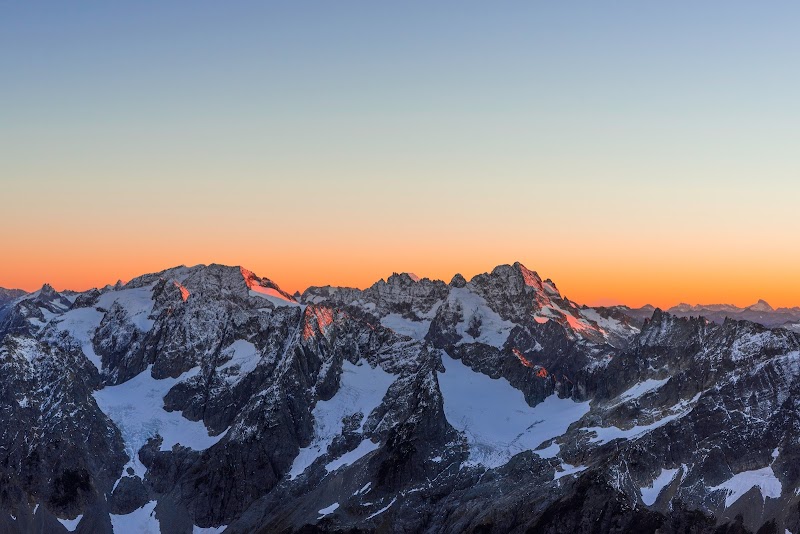
The hike itself moves steadily through mixed conifer, the soil soft beneath boots, roots weaving across the path like nature’s own puzzle. Each step upwards lifts you closer to sweeping views of jagged peaks standing fiercely against the horizon, clouds drifting lazily below at times, offering a surreal perspective. Rivers nearby push and pull with unseen energy, guiding your route to natural benches where taking a breath feels earned.
Preparation is key. Lightweight, sturdy hiking shoes with good grip handle varied terrain, from loose rock to slippery moss. Pack layered clothing for quick temperature shifts, water to stay ahead of dehydration, and snacks to maintain steady energy. Start early—sunrise hikes catch the coolest air and hush of wildlife stirring, while leaving time for a relaxed descent.
Respect the pace of the landscape. Tagalong Ridge isn’t a race to the summit but a dialogue with a wilderness fiercely itself. Rain can turn trails to mudslides, wind to sharp whispers among the trees. Watch for local wildlife—black-tailed deer often browse quietly, and birds call like old friends encouraging passage.
For those seeking a blend of adventure and measured planning, tagging your trip to coincide with calm, clear weather is crucial. Be ready to adjust plans if skies darken or spring floods grow unforgiving. With careful timing and preparation, Tagalong Ridge rewards with both challenge and quiet grandeur experienced up close on your own terms.
Nearby Trips
All Adventures
Boat Charters
Water Activities
Adventures near Marblemount
Discover the unique and memorable adventures that make Marblemount special.
Frequently Asked Questions
What is the best time of day to hike Tagalong Ridge?
Early mornings are ideal—they offer cooler temperatures, calmer winds, and fewer insects. This timing also provides a better chance of clear views before afternoon clouds or haze gather.
Are there any hazardous creek crossings on the trail?
Yes, several creek crossings can swell after rains or during spring snowmelt. These can be slippery and swift. Plan trips when water levels are lower or be prepared with proper footwear and cautious footing.
Is the trail dog-friendly?
Dogs are allowed but must be kept on a leash to protect local wildlife and other hikers. Ensure your dog is fit for moderate hiking and carry sufficient water for them.
Are there any permits required to hike at Tagalong Ridge?
Day hiking generally does not require permits, but check with North Cascades National Park for any seasonal restrictions or backcountry camping regulations if you plan overnight trips.
What wildlife might I encounter on this hike?
Expect to see black-tailed deer, marmots, and a variety of birds including Steller's jays and occasionally bald eagles near open ridges. Be aware of black bears and carry bear spray as a precaution.
Are there rest areas or viewpoints along the trail?
Several clearings near the ridge provide natural benches carved from fallen logs and rocks. These spots offer expansive views east toward the Skagit Valley and west to rugged mountain peaks.
Recommended Gear
Trail Running Shoes or Hiking Boots
Footwear with sturdy tread and ankle support adapts well to varied terrain and keeps you steady during creek crossings.
Layered Clothing
Temperatures shift quickly, especially early or late in the day. Layering enables you to adjust without overheating or chilling.
Water Reservoir or Bottles (2+ liters)
Staying hydrated is vital, particularly during warm months when exertion and insect activity increase your water needs.
Trekking Poles
Useful for balancing on slippery rocks and assisting with creek crossings, but not mandatory for every hiker.
Local Insights
Hidden Gems
- "Look for an isolated waterfall half a mile from the main trailhead—less traveled and framed by mossy cliffs."
- "The upper ridge holds rare alpine wildflowers that bloom late into summer, rewarding patient hikers."
Wildlife
- "The region is home to mountain goats who are often spotted navigating cliffs."
- "The call of the varied thrush echoes through the forest in spring, signaling nesting season."
History
"The area trails through lands historically used by the Upper Skagit Tribe, with traditional hunting and gathering sites along lower slopes."