
Florida Keys sandbars offer a unique adventure shaped by tides and tropical weather. This guide helps you choose the right timing and prepare for conditions that transform these sandy islands, ensuring a safe and memorable outing.
Consult Tides Before You Go
Check local tide charts to visit the sandbar at or near low tide, when the sandbar is exposed and accessible. This can change daily and by location.
Wear Water Shoes
Protect your feet from sharp coral, shells, and rocky patches that appear when the tide is out. Sand can be hot and abrasive.
Start Early or Late
Plan your excursion for early morning or late afternoon to avoid the intense midday sun and reduce the risk of heat exhaustion.
Monitor Weather Updates
Tropical weather can shift quickly; keep an eye on forecasts and be ready to cut your trip short if thunderstorms or high winds approach.
Mastering Timing and Weather for Your Florida Keys Sandbar Adventure

Sandbar Cruise
All Ages • 3 Hours
Discover the thrill of a sandbar adventure with Captain Pip's in Marathon. Paddle, kayak, or simply unwind in this tropical haven surrounded by turquoise waters and endless sunshine.
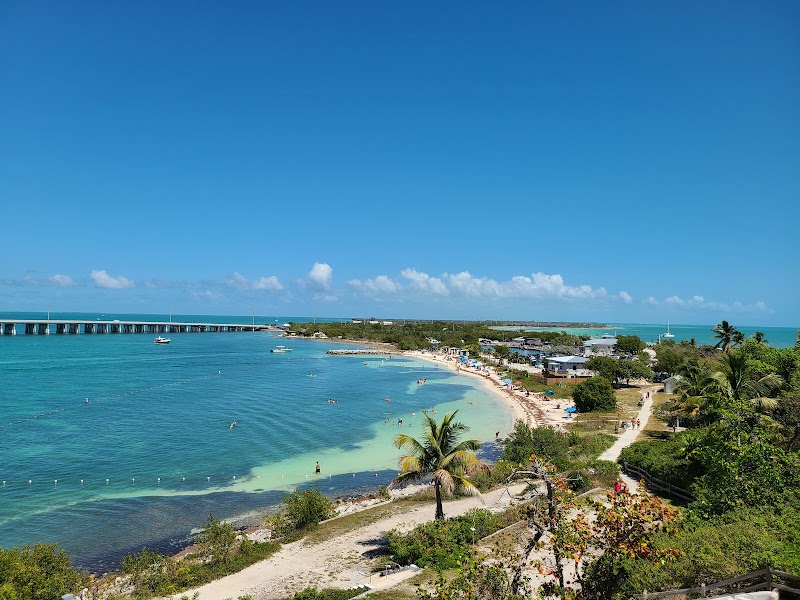
In the Florida Keys, sandbars rise like fleeting islands, carved by tides and kissed by the sun. These sandy stretches challenge your timing—a dance between the ocean's pulse and the sky's temperament. Understanding the ebb and flow of tides is critical; at low tide, the sandbars step forward, inviting passage. At high tide, they retreat beneath restless waters, daring you to plan carefully.
Weather weaves its own narrative here. The tropical sun can blaze fiercely by midday, turning fine sand into a reflective horizon that tests your endurance. Mornings and late afternoons offer gentler light and cooler air, when the sea calms and the sandbar feels like a quiet stage set just for you. But the Keys’ atmosphere is also unpredictable — summer convection clouds can gather rapidly, turning breeze into squall.
Plan your outing between November and April for optimal weather. These months bring steady, comfortable temperatures, lower humidity, and clearer skies. Rain is sparse, and winds tend to be lighter—perfect for wading the shallow channels surrounding the sandbars. Summer months, from June through September, are hotter and wetter, with thunderstorms packing sudden gusts. The unpredictability means you need to watch weather forecasts closely and expect sudden shifts.
Distance and physical demands here are less about distance covered and more about respecting the shift beneath your feet. Sandbars vary in size, often extending a few hundred yards from shore, with gentle inclines formed by the tide. Walking involves navigating soft sand and shallow water, engaging balance as currents brush against your calves.
Hydration is key—Florida’s sun draws moisture quickly from your body, so carry ample water and use UV-protective clothing and high-SPF sunscreen. Comfortable water shoes or sturdy sandals protect feet from shell shards and sharp coral exposed as tides retreat. Start early or later in the day to avoid the hottest hours, and always check tide charts; missing the tide window can mean getting stranded or wet feet beyond comfort.
The natural elements here hold silent power. The wind pushes rhythmically across the water surface, while clouds gather like watchful sentries overhead. The sandbar is not just a destination but a meeting ground where ocean currents and sky currents converse, and you step in between. It demands not just respect but attentiveness.
In sum, your Florida Keys sandbar outing is a test of timing and weather awareness. Get these right, and you claim a peaceful island for yourself, embraced by the sea and sky. Miss them, and your adventure could turn from serene exploration into a scramble against nature’s tides. Preparation, observation, and quick adaptability are your best tools here.
Nearby Trips
All Adventures
Boat Charters
Water Activities
Adventures near Marathon
Discover the unique and memorable adventures that make Marathon special.
Frequently Asked Questions
When is the best time during the day to visit the sandbars?
Visiting near low tide in the early morning or late afternoon offers cooler temperatures, gentler sun, and the sandbars fully exposed. Midday sun can be intense and the sand reflective, increasing heat exposure.
How can I safely check tides for my sandbar outing?
Use reliable local tide charts from NOAA or dedicated Keys-specific apps. Tide times shift daily by about 50 minutes, so check the forecast for your exact date and location.
Are sandbar conditions consistent year-round?
No. Sandbar size and shape shift with tides, seasonal winds, and occasional storms. Some sandbars appear only during the lowest tides in drier months.
What wildlife might I encounter near sandbars?
Look for shorebirds like herons and sandpipers, schools of baitfish skimming shallow water, fiddler crabs skittering on sand, and occasionally manatees grazing nearby seagrass beds.
Are there any safety concerns unique to sandbar outings in the Keys?
Currents can strengthen suddenly, and solitary sandbars become isolated during rising tides. Avoid wandering too far without clear tide direction, and stay informed on weather changes.
Can sandbars be explored year-round?
While technically accessible year-round, the best conditions for safety and comfort occur from November through April. Summer’s heat and storms make outings riskier without proper precautions.
Recommended Gear
Water Shoes
Protects feet from abrasive sand, coral fragments, and variable terrain exposed at low tide.
Hydration Pack or Water Bottle
Maintains hydration in tropical heat, preventing fatigue and heat-related illness.
Wide-Brim Hat
Offers sun protection during mid-day heat when UV exposure is highest.
Lightweight Rain Jacket
Useful for sudden tropical showers, keeping you dry without overheating.
Local Insights
Hidden Gems
- "The small shell scattered coves along Shoreline Beach where starfish cluster after low tide."
- "Nearby mangrove islets where juvenile fish dart between roots—quiet and less visited spots."
Wildlife
- "Roseate spoonbills, their pink wings flashing when disturbed by the tide’s retreat."
- "Juvenile tarpon hiding near sandbar edges in shaded shallow waters."
History
"These sandbars have served local fishers as natural waypoints for centuries, guiding small boats and providing resting spots during fishing expeditions."