
Seasons and Timing: Mastering Cave Tours in Kentucky’s Subterranean Wilds
Kentucky’s caves offer an underground adventure where steady cool air and imposing limestone formations invite exploration year-round. This guide highlights the best seasons and practical tips to time your visit safely and enjoyably, whether you’re chasing peak hiking conditions or a quieter descent into the earth’s depths.
Book Tours Early in Peak Season
Summer and fall bring crowds—reserve your spot weeks in advance to secure preferred tour times, especially at Mammoth Cave National Park.
Wear Slip-Resistant Footwear
Trail sections near entrances can become slick from mud or wet rock surfaces inside caves; hiking boots with good tread improve grip and safety.
Layer Clothing for Temperature Swings
Expect cooler temperatures inside caves than on surface trails; breathable layers allow adjustment from warm forest paths to chilly caverns.
Carry Adequate Water
Hydration is crucial as the humidity inside caves can make you feel less thirsty than you should be; bring at least 1 liter per 2 hours of hiking and touring.
Seasons and Timing: Mastering Cave Tours in Kentucky’s Subterranean Wilds

Kentucky Caves & Kangaroos: A Day of Enchantment | Private Adventure
Ages 10+ Full Day - Includes Park Fees & Lunch
Discover the underground wonders of Mammoth Cave, walk across a subterranean suspension bridge, and meet kangaroos—all in a single day. Just IN Time Adventures offers an unforgettable private outdoor journey near Nashville that combines geology and wildlife in a way few experiences can match. Keep reading to learn more about this exclusive expedition.
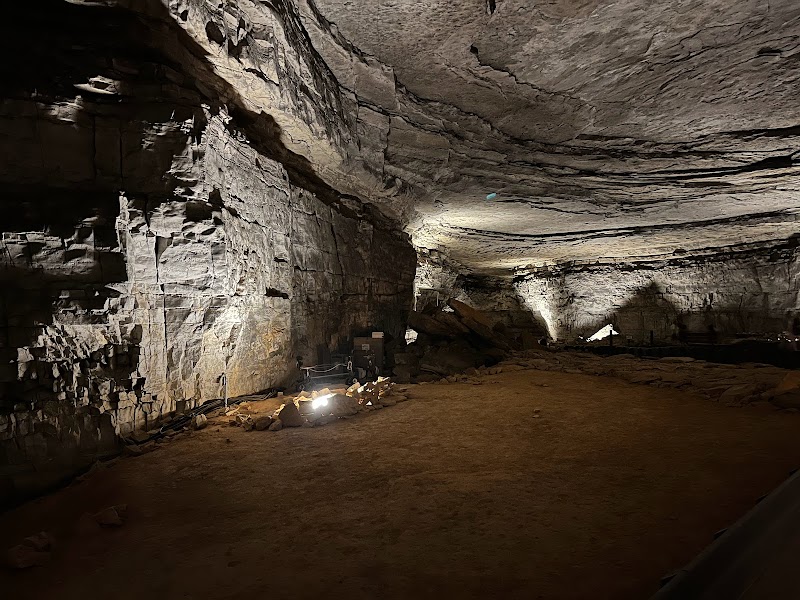
Kentucky’s cave tours offer a raw experience where underground chambers pulse with ancient air and limestone formations dare the light to catch their angles. Planning your visit means respecting the rhythm of the seasons and the cave environment’s steady, unchanging climate. Unlike day-hiking trails where leaves fall or wildflowers bloom, caves maintain cool temperatures year-round—typically around 54°F (12°C)—making them a consistent retreat no matter the surface weather. But the surface world will shape your journey to these hidden realms.
Spring's onset brings warmer days and the chance to witness the surrounding forest shake off winter’s grip. Trails leading into Mammoth Cave or Carter Caves can get slippery with spring rains, so sturdy, waterproof footwear is non-negotiable. Visitors should expect muddy patches along forested paths stretching anywhere from 1 to 3 miles with gentle elevation gains (usually under 300 feet), winding through dense hardwoods that hum with awakening life. Summer heats up outside, pushing explorers to seek cave interiors for relief from the humid Kentucky air, but be prepared for crowded tours and guided groups—a practical consideration for booking in advance.
Fall unveils a quieter side, with trails crisp underfoot and cooler air inviting longer hikes before descending underground. The risk here shifts to leaf-covered roots and hidden obstacles, calling for cautious steps and perhaps trekking poles to keep balance steady. Wildlife begins its final preparation for winter, and sporadic glimpses of migrating birds or deer crossing softly between trees add a living edge to your anticipation.
Winter is the least crowded and arguably the most peaceful season for Kentucky cave tours. The surface breathes cold and often frost, but inside, the cave shelters you from seasonal extremes. However, access routes may be icy or blocked with debris, and limited daylight hours demand early starts and focused planning. This season highlights the cave’s silence, broken only by dripping water or distant bat calls.
When selecting the best window for your cave tour, consider your purpose: to enjoy calmer crowds, cooler trail conditions, or a deeper connection with seasonal transitions above ground. Early mornings help avoid tour bus lines and catch rare quiet moments where cave formations glisten under controlled lighting that mimics the slow dance of daylight.
Finally, gear focuses on practicality. Breathable layers will respond to varying temperatures between surface and cave interiors. A durable headlamp backs up guided lighting should your group venture into less illuminated passages. Hydration is critical—the thrill of exploration can mask fatigue, and the cool, damp air doesn’t trigger thirst as strongly.
Kentucky caves are more than geological formations; they are spaces alive with history, climate, and the unyielding pulse of time. Traveling through them reveals not just the underground, but your own rhythm with the earth’s steady, fierce essence.
Nearby Trips
All Adventures
Boat Charters
Water Activities
Adventures near Mammoth Cave
Discover the unique and memorable adventures that make Mammoth Cave special.
Frequently Asked Questions
What is the average temperature inside Kentucky caves year-round?
Kentucky caves maintain a steady temperature around 54°F (12°C) year-round, offering constant cool refuge regardless of outside weather.
Are cave tours suitable for children or casual hikers?
Yes, many cave tours accommodate children and casual hikers with easy-to-moderate routes, though some cave sections require stair climbing and walking on uneven surfaces.
Do I need special permits or equipment for cave tours?
Most guided tours provided by state parks or Mammoth Cave National Park do not require permits or personal equipment beyond sturdy shoes and layers. Specialized spelunking tours may need reservations and additional gear.
What wildlife might I see around Kentucky cave entrances?
Look for deer at dawn or dusk, songbirds in spring, and potentially bats near cave mouths at twilight. Avoid disturbing wildlife, especially bats, as many species are sensitive during hibernation.
How difficult are the trails leading to major caves in Kentucky?
Trail difficulty varies, but most popular cave entrances feature trail distances between 1 and 3 miles with gentle elevation gain, suitable for moderate fitness levels.
Are caves in Kentucky safe to explore on my own?
Unsupervised caving is not recommended. Most caves require guides for safety and to protect fragile habitats. Always join authorized tours and follow park regulations.
Recommended Gear
Sturdy Hiking Boots
Provide traction and ankle support for wet or uneven cave entry paths and forest trails.
Layered Clothing
Adjust to temperature shifts between outdoors and cave interiors; moisture-wicking materials preferred.
Headlamp or Flashlight
Backs up cave lighting through dim sections; helps maintain visibility and safety underground.
Water Bottle
Hydrates you throughout tour and hike, as cool air dampens thirst cues but does not reduce hydration needs.
Local Insights
Hidden Gems
- "Echo River valley viewpoints along Mammoth Cave hikes"
- "Limestone cliffs at Carter Caves offering striking rock formations off main paths"
Wildlife
- "Indiana bats (endangered species) in select cave roosts"
- "White-tailed deer intersecting tunnels at dusk"
- "Spring salamanders and cave crickets within humid cave zones"
History
"Mammoth Cave holds the world’s longest known cave system, explored by Native Americans and later miners. The caves served as shelter and mining sites, bearing traces of past human activity woven into formations."