Mastering Timing for Weather-Sensitive Zipline Thrills in Temescal Canyon
Temescal Canyon offers an exhilarating zipline experience balanced with nature's unpredictable weather. Learn how to time your adventure for calm winds, clear skies, and the best views, while preparing practically for this dynamic outdoor challenge.
Start Early for Calm Winds
Ziplining is safest and most enjoyable between 9 AM and 1:30 PM when winds are typically mild. Afternoon gusts increase risk and discomfort.
Wear Sturdy Footwear
Trails are moderate and can be uneven; hiking boots with good tread support both the hike and secure footing on zipline platforms.
Hydrate Before You Climb
Even a short hike plus adrenaline-fueled excitement can dehydrate you quickly in the canyon’s dry air. Carry water and drink regularly.
Monitor Weather Closely
Rain or high winds can close the zipline at a moment’s notice. Check forecasts and remain flexible to reschedule if conditions turn unfavorable.
Mastering Timing for Weather-Sensitive Zipline Thrills in Temescal Canyon

Extreme Course
Approximately 2 Hours
Feel the rush as you zoom along five high-speed ziplines in Corona, California. With scenic canyon views and a challenging side-by-side speed run, Skull Canyon Zipline delivers an unforgettable adventure for thrill-seekers. Discover what makes this location a standout for outdoor adrenaline junkies.
Temescal Canyon, just outside Los Angeles, offers a zipline experience that marries the pulse of adrenaline with the pulse of nature’s rhythms. The canyon’s narrow gorges and wind-sculpted ridges become your playground, but this adventure demands respect for the weather’s whims. Timing your visit is critical, as wind speed, rain, and temperature directly impact safety and enjoyment.
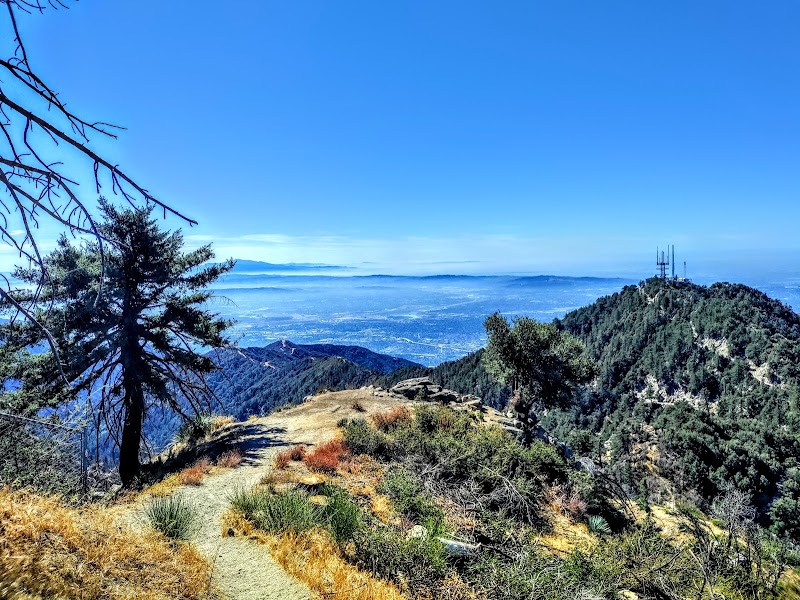
The zipline course here typically stretches around 1,200 feet, set against a backdrop of steep slopes rising about 600 feet from the canyon floor. The access trail is a moderate hike—2.5 miles roundtrip—with a steady 700-foot elevation gain winding through oak-dappled paths and chaparral that nods with each passing breeze. Each step brings you closer to vantage points where the faint rush of the Malibu Creek below dares you forward.
From early morning chill breaking to midday warmth, the canyon’s atmosphere shifts rapidly. Ziplining during calm, clear mornings yields the best calm currents, minimizing cable sway. Afternoon gusts often sneak in after 2 PM, especially in spring and fall, turning the ride into a more challenging, sometimes uncomfortable, experience. Rain can swiftly close operations; the slick cables and wet platforms turn cautioning whispers into firm shutdowns.
Preparation starts with timing. Plan ziplining between the hours of 9 AM and 1:30 PM during dry days to capture optimal weather and avoid gusty afternoons. Weekday mornings are typically quieter and less prone to sudden crowding, adding to both safety and sensation.
Hydrate well—there’s no turning back once you’re geared up. Good hiking boots with solid tread will support the climb and steady footing on the platforms. Layered clothing is a must: mornings may start cool, but by midday, the sun will press down through breaks in the canopy, the air growing strong and firm. Sunscreen and a hat are non-negotiable; Temescal Canyon’s semi-arid setting can pull moisture from your skin quicker than you expect.
The canyon itself is fiercely alive, winding trails offering intermittent views of the Pacific just beyond the ridge. The scrub brushes seem to inch closer, fishing for your attention, while canyon birds call and swirl overhead—curious, watchful, and unmissably part of the zipline buzz.
Timing your adventure here isn’t just about weather; it’s about syncing with a forceful landscape that demands your full attention and readiness. Respect the fluctuations, prepare with intention, and Temescal Canyon’s zipline adventure can deliver a ride that’s thrilling, safe, and deeply connected to the pulse of this wild place.
Nearby Trips
All Adventures
Boat Charters
Water Activities
Adventures near Los Angeles
Discover the unique and memorable adventures that make Los Angeles special.
Frequently Asked Questions
When is the best time of day to zipline in Temescal Canyon?
Morning to early afternoon, ideally between 9 AM and 1:30 PM, offers the calmest wind conditions and clearer safety margins.
How difficult is the trail to the zipline launch points?
The hiking trail is moderate, with a 700-foot elevation gain over about 1.25 miles one way. It requires steady footing but is accessible to most moderately fit hikers.
What happens if it rains or winds get too strong?
The zipline operators will suspend activities. Wet cables and high winds pose serious safety risks, so being flexible with timing is important.
Are there any lesser-known viewpoints along the hike?
Yes, a small side trail near the midpoint offers a quiet lookout over Malibu Creek, where you can spot riparian birds and catch sweeping canyon views.
What wildlife might I encounter on the trail?
Keep an eye out for local birds like scrub jays and red-tailed hawks, as well as small mammals such as squirrels and occasional bobcats, who patrol their rugged territory.
Is it necessary to bring technical gear for the zipline?
No additional technical climbing gear is needed beyond what is provided by the zipline operators, but comfortable layers and good boots are important.
Recommended Gear
Hiking Boots
Supportive boots provide traction on uneven canyon trails and stable footing on zipline platforms.
Hydration Pack or Water Bottle
Staying hydrated is critical, especially during warm months or physically demanding parts of the hike.
Layered Clothing
Layering helps regulate your body temperature from cool mornings to warm afternoons and sudden wind chills.
Sunscreen and Wide-Brim Hat
Sun protection guards against UV exposure on exposed ridgelines and zipline platforms.
Local Insights
Hidden Gems
- "Secret overlook near the midway point of the approach trail, with expansive views of Malibu Creek and distant Pacific Ocean glimpses."
- "A quiet side canyon where native wildflowers burst in the spring months."
Wildlife
- "Red-tailed hawks that soar overhead, often circling near thermals to ride the canyon winds."
- "Coyotes who patrol the area at dusk and dawn, their calls punctuating the silent canyon."
History
"Temescal Canyon has historic roots as a Native American hunting ground before becoming part of ranch lands and conservation efforts. Today it balances public recreation with protected natural spaces."