Smart Family Gear Tips for Winter Adventures on Longmont’s Rocky Mountain Slopes
Longmont’s winter slopes offer families an accessible way to explore the Rocky Mountain National Forest’s snow-filled trails. With precise gear choices and timing, even young hikers can enjoy crisp, forested paths and panoramic mountain views safely and comfortably.
Prioritize Waterproof Insulated Footwear
Snow and ice dominate the terrain—choose boots with insulation and waterproofing to keep feet warm and dry throughout the hike.
Use Traction Devices for Icy Sections
Carry microspikes or small crampons to secure footing on icy trail stretches common in winter near Longmont.
Hydrate Regularly with Insulated Bottles
Cold suppresses thirst signals; insulated bottles prevent freezing and encourage steady hydration for all ages.
Plan Hikes During Daylight Hours
Start hikes mid-morning to early afternoon for optimal sunlight and safer trail conditions in winter.
Smart Family Gear Tips for Winter Adventures on Longmont’s Rocky Mountain Slopes

7 Day Adult/Kids Ski & Snowboard Rental
Includes Skis/Board, Bindings, Boots, and Poles (for skiers)
Gear up for winter thrills with Angles Ski, Board & Fly Shop’s expert rental packages in Longmont. Discover hassle-free equipment ready to hit Colorado’s snowy slopes and make the most of your snow days.
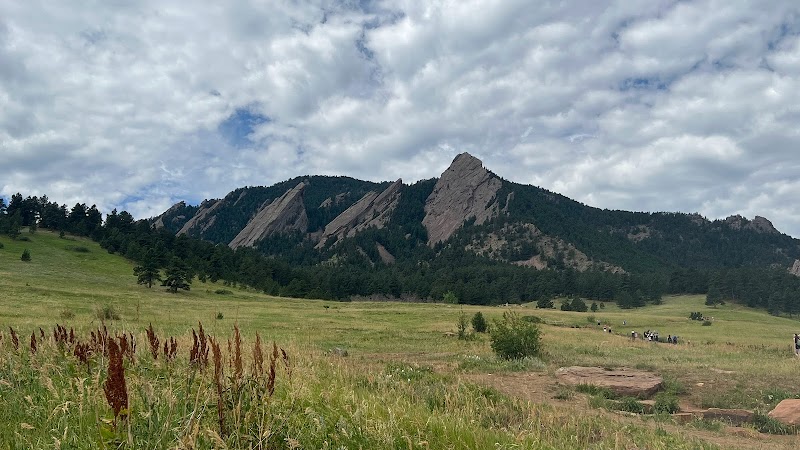
When the Rocky Mountain National Forest melts into a winter stillness just outside Longmont, Colorado, the slopes beckon families seeking fresh air and crisp adventure. These trails, stretching from gentle inclines to moderate climbs, invite all skill levels, yet winter demands careful gear planning to keep every member safe, warm, and comfortable. Starting with terrain: many popular hikes around Longmont’s nearby slopes offer distances between 2 to 5 miles, with elevation gains of 500 to 1,200 feet. Snow often blankets the forest floor, and icy patches patrol rocky areas, leaving the ground as fiercely itself — neither friend nor foe, but a demanding presence.
Footwear is your first defense. Insulated, waterproof boots with solid traction are non-negotiable, especially for kids whose little feet feel the cold faster. Adding microspikes or crampons helps grip the stubborn ice patches, turning a slippery risk into a secured step. Layering comes next—thermal base layers, a breathable insulating mid-layer, and a waterproof shell that challenges wind and wetness to push away from skin. Hats, gloves, and neck gaiters aren’t just accessories; they’re shields against chill that sneaks through pauses in movement.
Hydration and nutrition win the race against fatigue. Cold weather deceptively suppresses the thirst reflex, but the air here pushes for sustained energy. Bring insulated water bottles to stop liquids from freezing and pack snacks that balance protein and carbs for steady stamina. Timing matters, too: aim for late morning to early afternoon hikes to catch the sun warming the slopes, while shadows still hide stretched across frozen branches.
Finally, communication and navigation gear are wise extras. Winter ridges don’t forgive mistakes easily and snow muffles familiar sounds. A reliable GPS, a headlamp, and fully charged phones serve as your lifelines.
The winter slopes near Longmont challenge families to prepare with care, but reward with silent snow-draped forests and bright, sunlit peaks that dare you forward. Treat this landscape not as a challenge to conquer but as a force to engage with, and it will open pathways to winter’s unique wild beauty—inviting, firm, and alive.
Nearby Trips
All Adventures
Boat Charters
Water Activities
Adventures near Longmont
Discover the unique and memorable adventures that make Longmont special.
Frequently Asked Questions
Are Longmont’s winter trails safe for kids?
Yes, with the right gear and preparation. Choose shorter, less steep trails; ensure kids have insulated boots and traction aids. Check weather and daylight forecasts to avoid exposure to extreme cold or poor visibility.
What wildlife might we encounter during winter hikes?
Winter reveals tracks of elk, deer, and coyotes. Birds like the gray jay and woodpeckers remain active. Keep a respectful distance and watch quietly—the forest speaks softly but watches keenly.
What are some lesser-known viewpoints near Longmont’s winter slopes?
Try the foothills on the southern border of the National Forest, such as Flagstaff Mountain’s quieter edges, where sweeping views of snow-capped peaks meet open meadows dusted with frost.
How do I prepare for sudden weather changes?
Winter weather can shift fast. Pack breathable layers, a waterproof shell, snacks, and always carry a map or GPS. Inform someone of your route and expected return time.
Is snowshoeing recommended on these trails?
Absolutely. Many family-friendly routes are ideal for snowshoeing, offering fresh snow exploration without technical climbing.
Are there environmental concerns when hiking here in winter?
Yes, stay on marked trails to prevent damaging fragile plant life under snow. Avoid disturbing animal habitats, especially winter dens, and pack out all trash.
Recommended Gear
Waterproof Insulated Boots
Maintain warmth and dryness in snow-covered trails, critical for comfort and safety.
Microspikes or Crampons
Provides necessary traction on icy and packed snow surfaces, reducing risk of slips.
Layered Clothing System
Allows temperature regulation; thermals, fleece, and waterproof shells fight cold and moisture.
Insulated Water Bottles
Prevents water from freezing mid-hike, sustaining proper hydration for all family members.
Local Insights
Hidden Gems
- "The quiet north face slopes where frozen streams thread through pines."
- "Small clearings where sunlight briefly breaks through heavy branches."
Wildlife
- "Elk and mule deer tracks often crisscross trails."
- "Winter-active raptors like red-tailed hawks soar overhead."
History
"The area served as seasonal hunting grounds for Native American tribes and later supported early settlers in Longmont, who relied on these forest slopes for timber and winter shelter."