
Essential Gear Checklist for Conquering Longmont’s Winter Slopes
Longmont’s winter slopes offer a dynamic encounter with snow-blanketed trails and panoramic Rocky Mountain views. This practical gear checklist ensures you’re prepared to navigate icy terrain and shifting weather safely and confidently.
Choose Footwear with Reliable Traction
Microspikes or crampons attached to insulated hiking boots improve grip on icy patches and packed snow, reducing slip risks.
Stay Hydrated Despite the Cold
Use insulated water bottles that prevent freezing; drink regularly to replace moisture lost in cold, dry air.
Start Early to Maximize Daylight
Winter days are short; beginning hikes early helps avoid navigating slippery slopes in fading light and colder temperatures.
Pack Layers Strategically
Wear a moisture-wicking base, insulating mid-layers, and windproof waterproof shells to adapt to temperature swings during ascent and descent.
Essential Gear Checklist for Conquering Longmont’s Winter Slopes

7 Day Adult/Kids Ski & Snowboard Rental
Includes Skis/Board, Bindings, Boots, and Poles (for skiers)
Gear up for winter thrills with Angles Ski, Board & Fly Shop’s expert rental packages in Longmont. Discover hassle-free equipment ready to hit Colorado’s snowy slopes and make the most of your snow days.
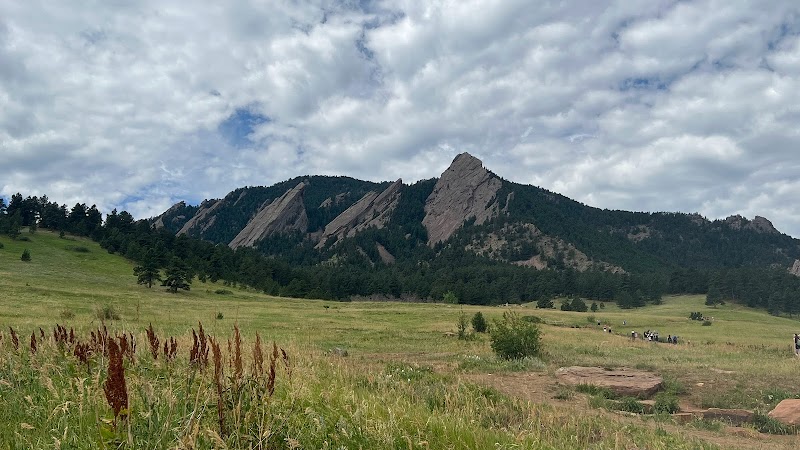
Longmont’s winter slopes don’t just lie quietly under a blanket of snow—they challenge, test, and invigorate you with every step. The trails hug the rugged foothills just east of the city, stretching between 5 to 8 miles depending on your chosen path, with elevations climbing from around 5,000 to 7,500 feet. Expect a terrain that shifts from compacted snow to icy patches, pine forests that whisper under the weight of frost, and open ridges where cold winds dare to push your pace.
Preparation is key here. Start with footwear designed to grip ice and snow—a pair of insulated hiking boots paired with microspikes can make the difference between confident strides and cautious slips. Layering your clothing with moisture-wicking base layers, an insulated mid-layer, and a waterproof shell ensures you remain dry and warm without overheating. Don’t forget a hat and gloves; the wind on these slopes bites with intent.
Hydration often gets overlooked in cold weather, but Longmont’s crisp winter air draws moisture from your body faster than you might expect. Carry insulated water bottles to prevent freezing, and plan for frequent sips to maintain energy levels.
Timing your hike is part strategy, part respecting the mountain’s rhythm. Early morning hikes mean fresher, firmer snow that holds your steps, while afternoon thaws can turn solid paths slippery. Daylight is shorter in winter, so pack a headlamp in case the sun dips sooner than planned.
Safety gear rounds out the essentials. Trekking poles add stability across uneven icy patches. A compact first-aid kit, map or GPS device, and an emergency bivy ensure you’re ready if conditions shift unexpectedly.
The forested sections feel alive, the snow clinging to evergreen branches as if holding its breath. The open slopes, by contrast, confront you with wide skies and panoramic views of the Rocky Mountains, stretching toward the horizon with a frozen stillness that humbles and excites.
Longmont’s winter slopes aren’t just a stroll; they’re an encounter with a landscape fiercely itself. Respect the elements, ready your gear thoughtfully, and you’ll find the slopes rewarding in challenge and beauty alike.
Nearby Trips
All Adventures
Boat Charters
Water Activities
Adventures near Longmont
Discover the unique and memorable adventures that make Longmont special.
Frequently Asked Questions
What is the best time of day to hike Longmont’s winter slopes?
Early morning is ideal as the snow is usually firmer and less slippery. Temperatures are lower, so layers are needed, but the trail conditions tend to be more stable before afternoon thaws create icy or slushy patches.
Are there any hidden viewpoints worth seeking?
Yes, the Sunrise Overlook just off the main trail offers striking views of the Continental Divide with fewer crowds, especially magical when bathed in the soft light of early morning.
What local wildlife might I encounter during winter hikes?
Though animal activity slows, watch for tracks from mule deer, elk, and coyotes. Red-tailed hawks also soar overhead in search of prey even on colder days.
Is trail navigation difficult in winter conditions?
Snow can obscure markers and paths, so having a reliable GPS or physical map is important. Be prepared for trail variations due to snowdrifts and carry emergency supplies regardless of experience.
How environmentally sensitive is the area during winter?
Winter delays vegetation regrowth but also increases risk of soil erosion if hikers stray from hardened paths. Stick to marked trails to minimize impacts on fragile alpine flora beneath the snow.
Can beginners attempt these hikes in winter?
Moderate fitness is recommended for winter hikes in this area. Beginners should prepare with proper gear, consider guided trips, and choose shorter routes until gaining confidence with winter conditions.
Recommended Gear
Insulated Waterproof Hiking Boots
Keeps feet warm and dry while providing stable footing on snow and ice.
Microspikes or Crampons
Enhances traction on icy slopes and compact snow, preventing slips and falls.
Insulated Water Bottle
Prevents water from freezing, ensuring you stay hydrated in cold temperatures.
Layered Clothing System
Multiple layers allow temperature regulation and moisture management across the hike.
Local Insights
Hidden Gems
- "Sunrise Overlook: Lesser-used vantage point with sweeping mountain views"
- "Frosty Pine Loop: A quieter circuit where tree shadows dance on snow early in the day"
Wildlife
- "Mule deer"
- "Elk"
- "Coyotes"
- "Red-tailed hawks"
History
"The foothills around Longmont were traversed by early Native American tribes and 19th-century settlers, with several historic mining sites nearby that quietly narrate the area’s pioneering past."