
Maximizing Wildlife Encounters During Catalina Island Eco-Tours
Discover how to boost your chances of close wildlife sightings during Catalina Island eco-tours. This guide balances thrilling encounters with practical tips, helping you navigate island trails and coastal waters where nature’s cast thrives just beyond the shore.
Start Early or Late to Catch Wildlife Activity
Most animals are active during dawn or dusk; plan your excursions accordingly to increase sightings and avoid heat.
Wear Sturdy, Breathable Footwear
Trails range from smooth dirt to rocky paths; dependable shoes will support footing and protect from rough terrain.
Bring Plenty of Water
Hydration is key. Carry at least two liters per person, especially on warmer days when the sun presses down hard.
Keep Noise to a Minimum
Wildlife reacts sharply to sound; observe quietly to avoid disturbing animals and maximize viewing opportunities.
Maximizing Wildlife Encounters During Catalina Island Eco-Tours

Inside Adventure Tour
2 Hours
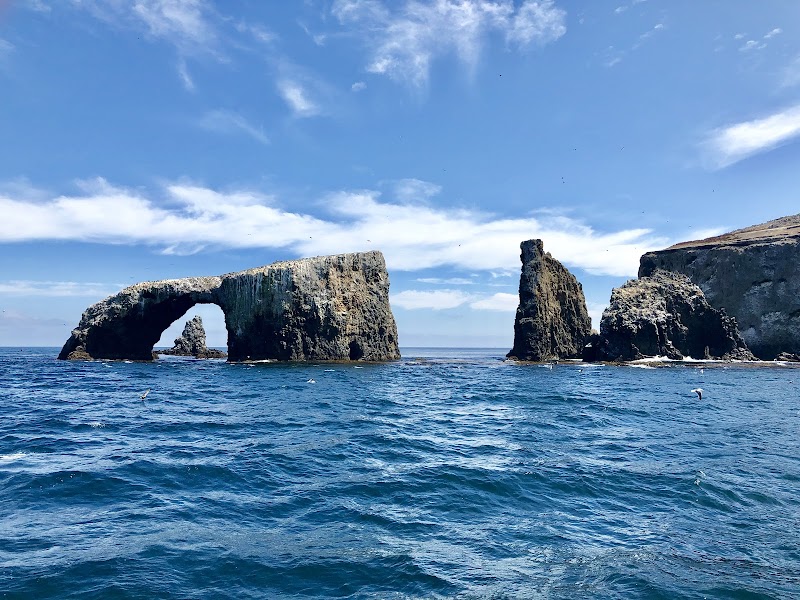
Discover Catalina Island onboard the Inside Adventure Tour, a private boat experience filled with wildlife viewing, stunning coastal scenery, and personalized adventure. Perfect for small groups seeking an intimate escape in Avalon, California.
Catalina Island offers an immersive encounter with nature where every step invites a new discovery. The island’s eco-tours are designed to place adventurers in the heart of its dynamic ecosystems—from scrubby chaparral trails to rocky shoreline paths where the ocean whispers nearby. These tours, often spanning trails between 3 to 7 miles with moderate elevation gains of up to 700 feet, cut through habitat teeming with island foxes, bison, and vibrant birdlife. The terrain varies from packed dirt paths to loose rocks, requiring steady footing but giving way to spectacular views of the Pacific’s vast blue expanse.
To maximize wildlife encounters during your eco-tour, timing is crucial. Early mornings or late afternoons offer the quietest periods when animals are most active, undisturbed by midday heat or tourist bustle. Hydration packs and breathable, sturdy footwear are essential—trails can quickly turn from welcoming forest floors lined with scrub oak to sun-exposed ridges where the sun pushes hard.
On guided tours, naturalists share insight into the behaviors of species like the Catalina island fox, a fierce yet elusive presence that darts between bushes, or patches of coastal sage that hum with hummingbirds. Respecting these creatures means moving deliberately and quietly, letting the environment dictate your pace. Eco-tours often incorporate boat rides or kayak legs, where the currents push adventurers towards kelp beds—spotting sea lions and Garibaldi fish shimmering beneath the waves.
Sunlight plays with the landscape, sharp at midday, softened into gold near dusk, coloring every creature and plant uniquely. Bring binoculars and a camera with zoom capabilities, but leave behind anything invasive to the habitats, like plastic waste or loud gadgets. These are wild places fiercely themselves, not playgrounds.
Preparation should include layered clothing for temperature shifts. The island’s ocean breezes can chill unexpectedly once the sun dips. Remember that battery life on devices can falter in remote spots; a portable charger can keep your naturalist guide apps active. Trails may test your endurance without demanding full technical skill—balanced, surefooted hiking is key.
From least traveled viewpoints where wrens sing secret melodies to hidden tide pools revealing crabs and anemones, Catalina offers layered encounters with wildlife. These tours combine adventure with responsibility, inviting you to engage with the natural world as an attentive visitor rather than a conqueror. Plan well, move thoughtfully, and the island will unfold its wild stories around every bend.
Nearby Trips
All Adventures
Boat Charters
Water Activities
Adventures near Long Beach
Discover the unique and memorable adventures that make Long Beach special.
Frequently Asked Questions
What wildlife am I most likely to see on Catalina Island eco-tours?
The island fox, Catalina’s iconic species, is often spotted lounging or scurrying through the scrub. Bird enthusiasts can expect to see species like the western gull and spotted towhee, while coastal waters are home to sea lions and colorful Garibaldi fish.
Are eco-tours suitable for beginners or families?
Yes, most eco-tours are designed to accommodate a wide range of fitness levels, including families with children. Trails are well-marked and moderate in difficulty, but check individual tours for age recommendations and accessibility.
How do I avoid disturbing wildlife during my visit?
Move quietly and slowly, keep a respectful distance, and avoid feeding animals. Use binoculars or cameras with zoom lenses instead of approaching closely.
Is it necessary to book eco-tours in advance?
Booking early is recommended, especially in peak seasons, to secure a guide experienced in maximizing wildlife viewing opportunities while ensuring minimal environmental impact.
Can I combine hiking with kayaking or snorkeling for wildlife viewing?
Many eco-tours integrate multiple activities, such as kayaking through kelp beds where sea lions cruise or snorkeling near marine reserves, offering layered wildlife experiences on land and in water.
What are some safety considerations unique to Catalina Island?
Be mindful of sudden weather changes; ocean breezes can become strong swiftly. Keep water supplies handy as fresh sources are limited, and be aware of uneven terrain and occasional steep drops.
Recommended Gear
Sturdy Hiking Boots
Protects your feet while maintaining grip on variable terrain from dirt trail to rocky paths.
Hydration Pack
Allows you to carry sufficient water comfortably and sip continuously during active moments.
Lightweight Layered Clothing
Adjusts easily to temperature swings between sunny ridges and cooler forested areas.
Binoculars
Enhances distant wildlife viewing without disturbing animals, especially useful for birdwatching.
Local Insights
Hidden Gems
- "Little Harbor quiet trails with fewer visitors and exceptional shoreline wildlife"
- "Silver Peak summit offers panoramic views rarely crowded"
- "Willow Creek’s humid microhabitat hosts unique plant species"
Wildlife
- "Catalina island fox – a small, endemic predator"
- "Island scrub jay – only found on Catalina and nearby islands"
- "Seasonal migrations of gray whales offshore"
History
"Catalina Island was historically home to the Gabrielino-Tongva people, whose sustainable practices shaped much of the island’s ecology. Later, it became a site for tourism and conservation efforts that preserve its unique habitats today."