The Na Pali Coast’s ocean is both an invitation and a challenge, offering spectacular views and dynamic sea conditions. This guide equips adventurers with practical safety tips and local knowledge to navigate these waters confidently and make the most of their Kauai tour.
Check Daily Marine Forecasts
Before heading out, review local ocean conditions including swell height, wind speed, and current direction to ensure safe passage.
Wear a Coast Guard-Approved Lifejacket
Always strap on a proper flotation device regardless of your swimming ability. The currents here are unpredictable and unforgiving.
Stay Hydrated and Dress in Layers
Salt air and physical exertion dehydrate quickly; bring water and light, quick-dry layers for changing weather.
Inform Your Guide of All Health Conditions
Clear communication about fitness levels and medical concerns allows guides to prepare and respond appropriately on your tour.
Mastering Ocean Safety and Strategies for Kauai's Na Pali Coast Tour

Kauai's Ultimate Na Pali Coast Eco Tour
5 Hour Tour • Ages 7+ • NaPali Coast/Sea Cave
Discover the stunning Na Pali Coast on a eco-friendly tour that combines adventure, wildlife viewing, and sustainable travel. Experience Hawaii’s natural beauty while learning about conservation efforts from expert guides.
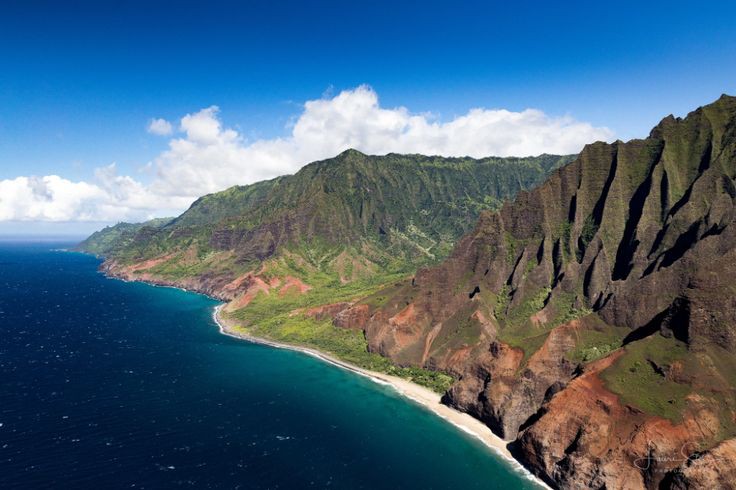
Navigating the Na Pali Coast isn’t simply about awe-inspiring views; it’s an active conversation between you and the Pacific’s raw energy. The ocean here wears many faces—sometimes slick and calm, other times a brooding, churning force that tests your resolve. Understanding these ocean conditions and adhering to proven safety protocols are not optional—they’re your lifelines.
Start by familiarizing yourself with the basics: the coast spans over 17 miles of steep cliffs and crashing surf, but tours typically focus on boat or kayak approaches, since the Kalalau Trail demands permit access. Ocean swells here often exceed 6 feet in winter, with currents that channel through narrow valleys, pushing forward aggressively. Summer waves lower to around 3-4 feet, offering a gentler ride but still requiring respect.
Tour operators check daily marine forecasts and adjust itineraries accordingly, but personal awareness remains critical. Always ask about sea state, wind speed, and current patterns before boarding. The Na Pali Coast’s reefs and underwater rocks are hazards that dare you to stay alert; sudden waves can pull small vessels toward jagged edges or trap swimmers.
Your safety anchors also include essential gear: a Coast Guard–approved lifejacket, waterproof communication devices, and a hands-free light source. If planning a kayak tour, balance your physical readiness with knowledge of self-rescue techniques and signaling. Hydration is non-negotiable; the ocean’s salt air and exertion demand consistent water intake.
Onboard briefings often cover protocols for responding to capsizing, approaching wildlife (like dolphins or sea turtles), and what to do in case of sudden weather shifts. Remember that the ocean here is fiercely itself—unchanging in its rhythms, indifferent to human haste or hesitation. Respecting its mood swings means timely decisions: turning back before swells worsen, wearing layered clothing against chill winds, and listening closely to your guides’ instructions.
When these precautions align, the rewards come in vivid bursts. Picture the cliffs echoing with waves breaking like thunder; sea caves that seem to whisper secrets; sunlit rainbows arching over green valleys. This is a hands-on engagement with wild beauty, where preparedness ensures your encounter remains exhilarating rather than overwhelming.
Approach the Na Pali waters with humility and readiness. Know the ocean’s language, wear your safety like armor, and move with the flow. This is adventure seasoned with pragmatism—an experience lived fully, and safely.
Nearby Trips
All Adventures
Boat Charters
Water Activities
Adventures near Lihue
Discover the unique and memorable adventures that make Lihue special.
Frequently Asked Questions
What ocean conditions make Na Pali Coast tours unsafe?
High swell heights above 6 feet, strong and shifting currents, and gusty winds create hazardous conditions. Tours typically pause or reroute if forecasts indicate rough seas to prevent accidents.
Are kayaks suitable for all experience levels here?
Kayaking the Na Pali Coast requires intermediate to advanced skill due to frequent waves and currents. Beginners should opt for guided tours with experienced instructors and proper safety training.
How do operators monitor real-time ocean changes?
Tour providers use updated NOAA marine weather reports, VHF radio communications, and local knowledge. Guides also observe wave patterns and cloud formation to anticipate quick shifts.
Is there risk of encounters with wildlife during the tour?
Yes, tours often pass near spinner dolphins, Hawaiian green sea turtles, and monk seals. Interactions are respectful and limited to minimize disturbance to these protected species.
Can I swim near the Na Pali Coast during tours?
Swimming is generally discouraged outside designated safe zones due to strong currents and hidden underwater hazards. Most tours allow snorkeling only in sheltered coves with calm water.
What should I do if the weather deteriorates mid-tour?
Follow your guide's instructions immediately. Tours carry emergency signaling devices and contingency plans. In the event of sudden weather change, returning to shore quickly and calmly is prioritized.
Recommended Gear
Lifejacket (PFD)
A Coast Guard-approved personal flotation device is mandatory for water tours.
Waterproof Communication Device
Enables emergency contact and coordination in areas with limited cell coverage.
Layered Quick-Dry Clothing
Provides protection from wind chill in cooler seasons while allowing breathability.
Hydration Pack or Water Bottles
Maintaining hydration is crucial amid salt air and physical exertion.
Local Insights
Hidden Gems
- "The rarely visited Honopu Arch, an enormous natural sea arch visible only from the water."
- "Cliffside tide pools near Kalalau Valley that reflect the changing sky."
Wildlife
- "Spinner dolphins often spin near boats at dawn."
- "Hawaiian green sea turtles bask at offshore rocks."
- "Nene geese may be seen inland near trailheads."
History
"The Na Pali Coast was a seasonal refuge for ancient Hawaiians who farmed terraced valleys and who depended on fishing. Trails and terraces bear testimony to their careful stewardship of this steep environment."