
Explore the rugged charm of North Idaho’s gold-bearing streams on an adventure that balances excitement with practical preparation. This guide will equip you to navigate the terrain, respect the wilderness, and maximize your gold panning experience safely and enjoyably.
Choose Waterproof Footwear
Riverside trails frequently cross wet, uneven rock and muddy banks; boots with waterproofing and good tread keep your footing secure.
Pack Adequate Water
Carrying at least two liters of water is crucial to prevent dehydration, especially in summer when temperatures soar.
Start Early or Late
Plan your trip for early mornings or late afternoons when temperatures are cooler and river flow is calmer for safer panning.
Respect Wildlife
Black bears and other animals are active near water sources—carry bear spray and make noise to avoid surprise encounters.
Essential Prep for a Safe and Rewarding Gold Panning Adventure in North Idaho

Gold Birthday Package
Party | Gold Mine Tour | Gold Panning | Prospector Gemstone Minning | Fossil Dig | Shooting Gallery
Looking for a unique way to celebrate a special birthday? Join the Gold Birthday Package at Crystal Gold Mine in Kellogg, Idaho, for an engaging walking tour filled with history, scenic views, and outdoor fun. Discover the rich mining heritage while creating unforgettable memories with friends or family.
Gold panning in North Idaho offers a rare thrill: probing riverbeds where the rushing currents dare you to uncover hidden treasures. The region’s streams, particularly those threading through the rugged Clearwater National Forest, challenge adventurers with terrains as diverse as mossy riverbanks and gravelly bars. Expect a hike averaging 3 to 5 miles round-trip, with modest elevation gains up to 600 feet—enough to test stamina but remain accessible for a wide range of outdoor enthusiasts.
Begin by selecting a well-known prospecting site like Crooked River or the stretches near Elk River, where currents push quietly but insistently, each swirl of water inviting your pan to sift through its secrets. The trail itself will wind through dense stands of fir and cedar where the forest floor smells rich with pine and damp earth—nature’s own signal to prepare for variable footing and occasional slippery rocks.
Footwear matters: sturdy, waterproof boots with good tread will keep you steady on uneven bedrock. Bring a lightweight panning kit, including a gold pan, classifier, and a small shovel—all easy to pack but essential for effective sifting. Hydration is crucial; carry at least two liters of water, and plan your outing for early mornings or later afternoons when the light softens and the rivers feel less fiercely navigable.
Weather in North Idaho can shift quickly. Spring’s thaw means swollen streams and unexpected mud patches, while summer offers long, sunny days tempered by cool forest shade. Fall brings crisp air and the chance to witness cottonwoods turn gold along the banks, but it also hints at early snow risks after October. Winter panning is sparse, mostly reserved for the bravest, as icy waters and snow-packed trails demand technical skills.
Safety is paramount: respect wild currents and heed local wildlife cues, as black bears and moose roam these forests. Always inform someone of your plans, carry a map, and consider a GPS device or app for navigation where cell signals falter. Leave no trace—pack out all trash and respect the delicate aquatic environments that host this centuries-old activity.
At day’s end, whether you’ve pocketed flecks of placer gold or simply absorbed the relentless pulse of the river, you’ll have engaged with a landscape as fiercely itself as any adventure out there. North Idaho’s gold-bearing streams offer not just the lure of metal, but a direct line to the spirit of discovery and the raw, untamed character of this vast wilderness.
Nearby Trips
All Adventures
Boat Charters
Water Activities
Adventures near Lewiston
Discover the unique and memorable adventures that make Lewiston special.
Frequently Asked Questions
Where are the best spots for gold panning near Lewiston, Idaho?
The Crooked River and nearby sections of the Clearwater National Forest offer prime gold panning sites, known for accessible streams with a history of placer gold deposits.
Do I need a permit to pan for gold in North Idaho?
Most recreational gold panning on public lands in the Clearwater National Forest does not require a permit, but check local regulations as claims and restricted areas exist.
What wildlife should I be aware of during my adventure?
Black bears, moose, and occasional mountain lions inhabit the region; maintaining awareness, making noise, and carrying bear spray is recommended.
What weather conditions are safest for gold panning?
Stable weather on dry, mild days during late spring through early fall is safest. Avoid high water flow after heavy rains or during spring melt.
How do I handle river crossings safely?
Use sturdy boots, test footing with a stick, cross shallowest points upstream, and never cross during high flows or rapidly rising water.
Are there any local rules about disturbing riverbeds?
Yes. Minimize disturbance to aquatic habitats, avoid heavy equipment and large-scale digging, and always backfill holes to protect the environment.
Recommended Gear
Waterproof Hiking Boots
Protects your feet on slippery riverbeds and uneven, wet trail surfaces.
Gold Pan and Classifier
Essential tools for separating gold flakes from sediment.
Water Bottle or Hydration Pack
Keeps you hydrated in warm weather and during physical exertion.
Bear Spray
Important for deterring wildlife encounters in forested gold-bearing areas.
Local Insights
Hidden Gems
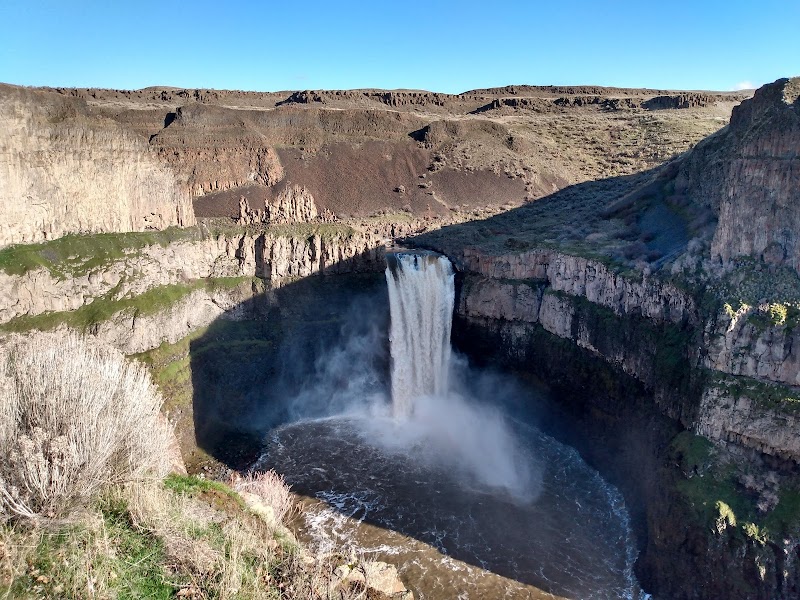
- "A small waterfall along the Crooked River trail that creates natural gold traps downstream"
- "Quiet side channels where currents slow and encourage gold to settle"
Wildlife
- "Black bears are common, especially near creek edges at dawn and dusk"
- "River otters occasionally swim and hunt fish in clearer shallow sections"
History
"Gold panning here traces back to the mid-1800s Idaho gold rush era when prospectors first followed river currents to rich placer deposits."