
Griffith State Park’s winding waterways offer paddlers a dynamic adventure shaped by Florida’s distinct seasons. From spring’s swelling rivers to winter’s crisp wildlife sightings, knowing the seasonal shifts is key to a safe and rewarding paddling trip.
Start Early to Beat the Heat
Beginning your paddle in the morning takes advantage of cooler temperatures and calmer winds, especially important during summer months when heat and humidity rise sharply.
Pack Water and Snacks Strategically
Even on shorter routes, hydration and energy replenishment are essential. Use waterproof containers to keep provisions accessible but safe from splashes or sudden rain.
Monitor Local Weather Conditions
Thunderstorms strike quickly in summer and fall, altering river currents and visibility. Check forecasts before launch and have a turnaround plan to avoid being caught mid-river during a storm.
Use Gear Suited for Variable Currents
Choose paddling gear that responds well to both slow pools and faster-flowing channels. A stable kayak or canoe, paired with a reliable paddle, will help you handle the park’s subtle but shifting water conditions.
Navigating the Currents: Seasonal Considerations for Paddling Griffith State Park, Florida

Single Kayak
Hourly Single Kayak Rental
Discover the serenity of Griffith State Park by kayak with Just Paddle It LLC. Perfect for all skill levels, this guided trip offers a chance to see Florida’s lush landscapes from a different perspective. Dive into this peaceful water adventure today!
Paddling through Griffith State Park offers an adventure shaped by Florida’s calmer rivers, shaded waters, and ever-watchful wildlife. The park’s intricate waterways invite paddlers, whether in kayaks or canoes, to engage with the environment that's persistently alive — reeds brushing your paddle and currents insisting you respect their pace. Seasons here don’t just mark time; they direct the water’s mood, the wildlife's activity, and the elements you'll navigate.
Spring ushers in a rejuvenating burst. The rivers swell gently with rains, carrying you through stretches of shaded hardwoods and palmettos. Wildlife, especially birds like the limpkin and ospreys, become more vocal and visible. Early spring offers cooler mornings – a practical time to begin paddling and avoid afternoon heat spikes.
Summer turns the park notably humid and hot, pushing the paddler’s endurance. The waters recede in parts, showing sandbars daring you to land and explore briefly. Afternoon thunderstorms become common, transforming sky and water with sharp, quick power – an implacable reminder to plan your trips for mornings and have a quick exit strategy. Hydration here isn’t a suggestion; it’s a lifeline.
Fall cools the park’s temper, yet the water levels restabilize as rainfall normalizes. Paddle trails reveal clearer routes with less insect chatter, though occasional breezes stir leaves and cast dancing shadows on water surfaces. This is prime time for paddlers seeking balance—moderate temperatures, manageable water flow, and active wildlife preparing for winter.
Winter is surprisingly mild but demands respect. Water levels can be unpredictable after cold fronts, and the slightly faster current tests skill and mindfulness. Migratory birds like sandhill cranes make appearances, offering rewarding sights for early risers. Water temperature drops meaning paddlers should consider dry suits or layered gear to guard against chill.
Practical paddlers note the park’s terrain: mostly flat with slow-moving water, but currents intensify seasonally, and portions of the trail pass through narrow channels demanding focus and finesse. Distances range from 4 to 7 miles depending on route choice, generally completed in 2-4 hours. Elevation change is minimal but should never be dismissed in Florida where subtle shifts can affect flow.
For your gear: reliable, grip-friendly paddles are critical; so is a well-fitted personal flotation device. Waterproof bags protect essentials against inevitable splashes and sudden weather. Finally, footwear should balance protection and quick drying – river sandals or neoprene shoes serve well.
Time your trips to avoid midday heat in summer and capitalize on cooler weather in fall and spring. Watch the skies: sudden storms push currents and swell water levels, while early winter mornings reward with quiet, wildlife-rich paddlescapes. Griffith’s rivers aren’t silent routes—they’re active participants. They challenge, entice, and require you to adapt and respect their rhythms. Plan accordingly, paddle smart, and this Florida escapade will stay fiercely alive in your memory.
Nearby Trips
All Adventures
Boat Charters
Water Activities
Adventures near Lake City
Discover the unique and memorable adventures that make Lake City special.
Frequently Asked Questions
Are permits required to paddle in Griffith State Park?
Generally, no special permits are needed for paddling. However, check with park offices for any seasonal restrictions or updates, especially during sensitive wildlife periods.
Can beginners safely paddle in Griffith State Park year-round?
Yes, but beginners should avoid summer afternoons when weather can rapidly change. Early spring and fall offer safer, more stable conditions for newcomers.
What wildlife should paddlers expect to encounter?
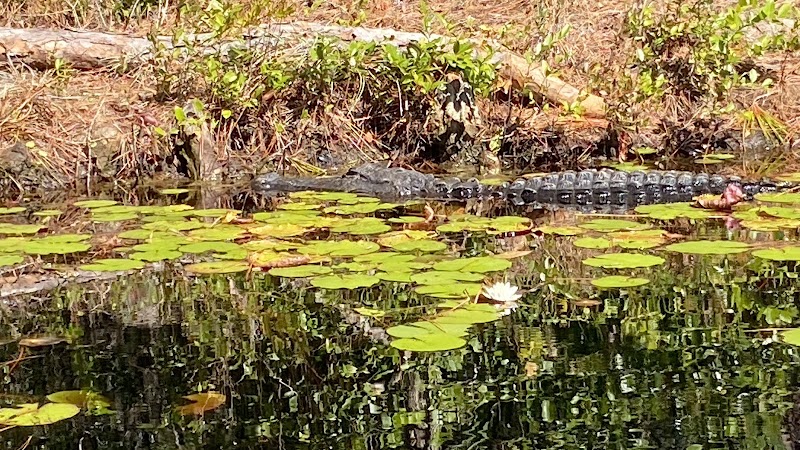
Expect a lively array: limpkin, ospreys, sandhill cranes in winter, and occasional glimpses of alligators resting along riverbanks. Respect their space to maintain safety.
Are there any hidden routes or lesser-known paddling spots within the park?
Yes, smaller tributaries branching from the main river offer secluded corridors with dense vegetation ideal for quiet wildlife observation.
Is it possible to camp near paddling routes in Griffith State Park?
While the park itself has limited designated camping, nearby state forest campgrounds can serve as a base for extended paddling trips.
How do seasonal changes affect river flow and difficulty?
Spring rains increase flow rates, making currents more noticeable. Summer lows reveal obstacles. Winter cold fronts occasionally speed up channels, requiring more attention.
Recommended Gear
Personal Flotation Device (PFD)
A well-fitted PFD is mandatory for safety regardless of season, providing buoyancy and confidence on the water.
Waterproof Dry Bags
Protect electronics, food, and extra clothing from splashes and sudden rain with waterproof storage.
Neoprene River Shoes
These shoes protect feet from sharp roots and rocks while drying quickly for comfort on and off water.
Layered Clothing and Dry Suit
In cooler months, layers or a dry suit shield from cold water and wind, maintaining warmth over long paddles.
Local Insights
Hidden Gems
- "The quiet west fork tributary offers a nearly untouched paddle through dense cypress stands."
- "Early morning mist over the river's bends creates a reflective mirror surface rarely disturbed by crowds."
Wildlife
- "Limpkin, distinctive with their haunting call, are particularly abundant in spring."
- "Sandhill cranes pass through during winter months, adding a majestic presence to the paddling experience."
History
"Once a corridor for indigenous peoples guiding their canoes through Florida’s waterways, the park’s rivers retain an echo of this ancient travel route."