Experience the thrill of witnessing humpback whales in Hawaii’s vibrant waters while learning how to observe them responsibly. This guide offers practical tips and essential safety advice to ensure your encounter respects these majestic creatures and the ocean they command.
Maintain a Safe Distance
Always stay at least 100 yards away from humpback whales to prevent disturbing their natural behaviors. Use binoculars or zoom lenses to get a closer view without intrusion.
Choose Licensed Tours
Select tours operated by licensed and environmentally conscious companies that follow federal and state regulations for wildlife interaction.
Dress for Variable Conditions
Layer clothing to protect against sun exposure and sea spray. Don’t forget waterproof gear if on boats, and bring sunscreen to avoid burns during extended exposure.
Respect Whale Behavior
If whales show signs of agitation or move away, do not attempt to pursue them. Patience protects both you and the animals during your observation.
Respecting Giants: Responsible Humpback Whale Watching in Hawaii
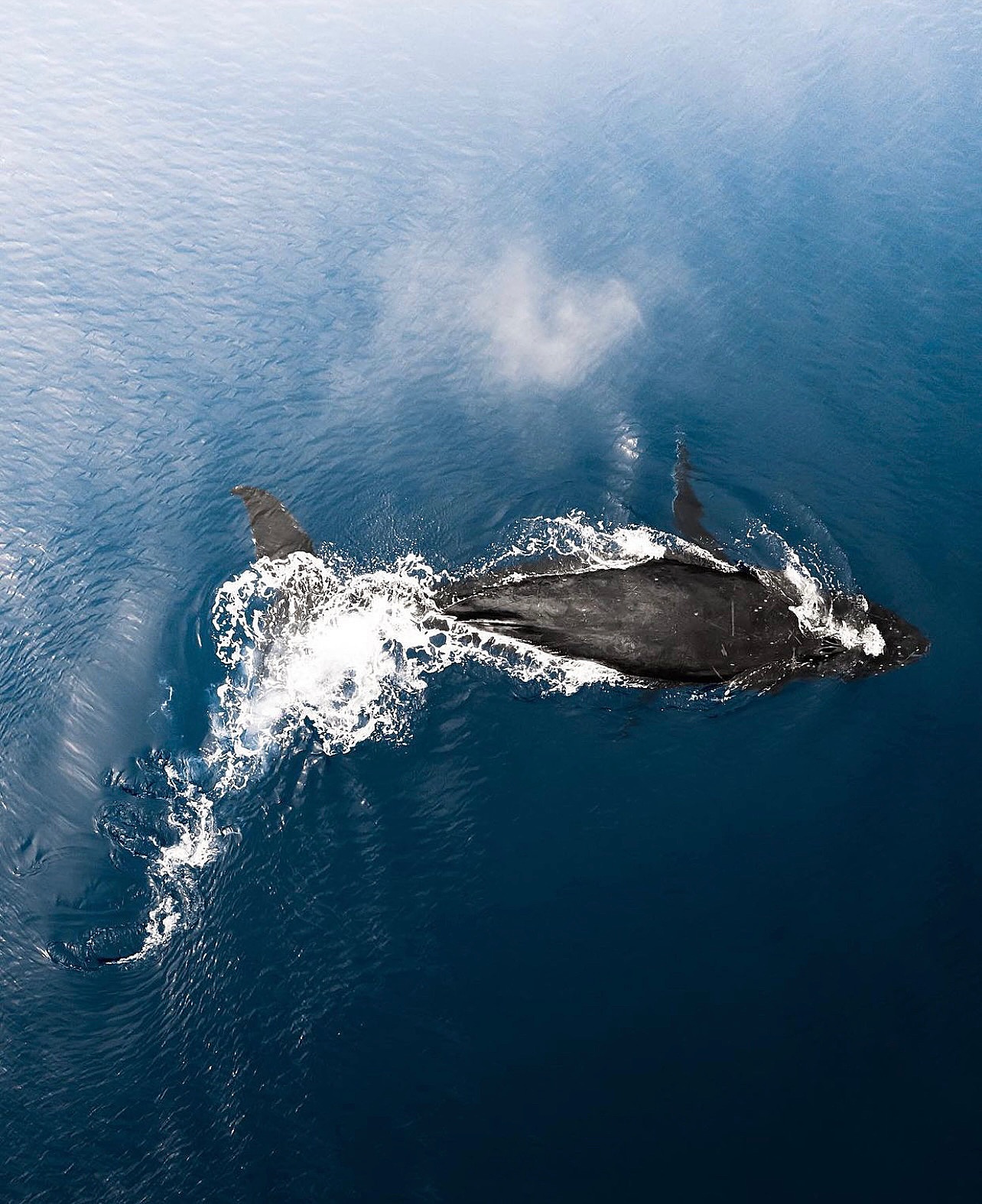
Public Whale Watch Eco Tour
2 Hour Tour • Available Dec - March
Experience the magic of humpback whales up close with a private eco tour off the coast of Haleiwa. Discover marine life, learn about conservation, and enjoy a tranquil ocean adventure tailored just for you.
Hawaii’s waters are stage and sanctuary to humpback whales from December through May, a season when these ocean giants breach and sing not far from shore. Observing these awe-inspiring mammals requires more than just showing up; it demands respect, awareness, and a commitment to their well-being. The humpbacks don’t just share their space—they hold it fiercely, and our role is to witness without disturbing.
When planning your whale watch adventure, start with the basics: locations like Maui’s Lahaina Harbor or the shores of the Big Island offer prime viewing spots. Boats equipped with guides certified by the Hawaii Whale Foundation provide structured trips where safety protocols are strictly followed. These guidelines include maintaining a minimum distance of 100 yards to prevent stress or disruption of natural behaviors. On foot or from boats, the key is to observe quietly—let the ocean’s rhythm and whale songs set the pace.
The ocean isn’t a stage under your control; it pushes and pulls, daring you to respect its power while you’re tiny upon its surface. Currents and waves often shift, reminding observers that whale encounters are gifts, not guarantees. On the water, dress in layers—the sun can blaze, but the wind and spray chill. Sunscreen, hats, and water are essentials; dehydration can steal your focus just as a whale surfaces for a spectacle.
Responsible whale watching also means knowing when to say no: if the weather swells, if whales show signs of agitation, or if boats crowd too close, patience is the better trait. Humpbacks breach for reasons rooted in communication and courtship; interference with these moments can have serious consequences for the animals’ well-being.
For land-based watchers, spots like Maalaea Bay offer a vantage point where whale activity can be visually tracked with binoculars and taught patience. Early mornings and late afternoons provide golden light and calmer seas, perfect for blending observation with photography. Remember, every breaching tail or playful slap is a fleeting chapter in the whales’ life story, invited but never commanded.
By combining excitement with ethics, whale watching in Hawaii becomes more than sightseeing—it turns into a meaningful exchange with one of nature’s most magnificent residents. Prepare, respect, and observe, and your encounter with humpback whales will leave a lasting impression grounded in appreciation rather than interruption.
Nearby Trips
All Adventures
Boat Charters
Water Activities
Adventures near Lahaina
Discover the unique and memorable adventures that make Lahaina special.
Frequently Asked Questions
How close can I legally get to humpback whales in Hawaii?
Federal and state regulations require maintaining a minimum distance of 100 yards (approximately 91 meters) from humpback whales to avoid disturbing them. Boats and people approaching closer risk fines and jeopardizing whale welfare.
When is the best time to observe humpback whales in Hawaii?
The whale season typically runs from December through May, with peak sightings from January to April when breeding and calving activities are at their highest.
Are there land-based whale watching spots in Hawaii?
Yes, places like Maalaea Bay on Maui and the shores near Lahaina offer excellent vantage points. These spots allow you to watch from shore using binoculars and avoid the risks related to boat-based interactions.
What behaviors should I avoid when whale watching?
Avoid making loud noises, sudden movements, or trying to approach or chase whales. Watch for signs of distress, such as rapid changes in direction or vocalizations, and give them space.
Do whales respond to human presence around boats?
Humpbacks may change their behavior if approached too closely. Responsible whale watchers observe quietly and keep distance so whales can carry on their natural activities without interference.
How can I identify a humpback whale from a distance?
Look for their distinctive large pectoral fins, dramatic breaches, and tail flukes which often slaps the surface. Whale songs, audible during quiet moments, are unique to humpbacks and can sometimes be heard underwater.
Recommended Gear
Binoculars
For detailed viewing at a safe distance, binoculars let you catch subtle whale behaviors without getting too close.
Waterproof Jacket
Ocean spray and occasional rain make a waterproof layer indispensable during boat tours.
Sunscreen
Protect your skin from intense Hawaiian sun, especially when spending hours outdoors on the water or on land.
Camera with Zoom Lens
Capture fleeting moments of whales breaching or diving from a respectful distance.
Local Insights
Hidden Gems
- "Puamana Lookout in Lahaina offers quieter land-based sightings with panoramic ocean views."
- "Kapalua Bay’s calm waters serve as a serene spot for paddleboarders to glimpse distant whale activity."
Wildlife
- "Spinner dolphins frequently accompany humpback whales during migration seasons."
- "Sea turtles can be seen resting near reef edges, adding to the marine life observation experience."
History
"Humpback whales have been part of Hawaiian cultural stories for centuries, seen as ‘aumakua (ancestral guardians) by native Hawaiians, linking whale watching to deep-rooted traditions of respect for the ocean."