Maui offers breathtaking snorkeling adventures, but the ocean’s ever-changing moods demand respect and preparedness. Understanding the island’s weather patterns and ocean conditions is key to staying safe while exploring its vibrant reefs and marine life.
Check Wind and Wave Forecasts Daily
Maui’s trade winds and sudden swells affect wave height and surface conditions—knowing the forecast helps you choose the safest snorkeling windows.
Enter Water Where Currents Are Minimal
Select sheltered bays or beaches with natural rock barriers to avoid strong channels and rip currents.
Use Flotation Devices When In Doubt
A snorkeling vest adds buoyancy, providing extra safety against unexpected waves or currents.
Avoid Snorkeling After Heavy Rain
Rain runoff can cloud water with sediments and introduce pollutants, reducing visibility and harming marine life encounters.
Navigating Maui’s Snorkeling Safety: Weather and Ocean Conditions You Must Know

Semi-Private 3 Hour Eco-Raft Maui Turtle Snorkel
3 Hour Snorkel Tour • Morning Tour • Small Group Raft Tour • Ages 4+
Join a semi-private eco-raft tour in Maui and experience close encounters with sea turtles while exploring vibrant coral reefs. Perfect for nature lovers and snorkelers of all levels, this trip offers a personal touch on Maui's stunning waters.
Maui’s underwater world beckons with vibrant coral reefs and colorful marine life, but the ocean here is a living force—shifting, pushing, and pulling with a will of its own. Understanding how weather and ocean conditions influence snorkeling safety is essential before you slip into the warm Pacific waters. A calm sea can offer you crystal-clear visibility and easy entry, but when the trade winds start whipping or winter swells roll in, conditions swiftly change from inviting to formidable.
The island’s northeastern trade winds often bring steady breezes and moderate waves, creating predictable patterns in coastal currents. However, these winds also stir up surface chop that can batter shoreline entry points, especially on exposed beaches. Snorkelers should watch for sudden gusts that turn gentle waves into unpredictable rollers, particularly near rocky points where currents funnel with increased strength. Planning your swim early in the morning often means encountering gentler winds and calmer waters, as the ocean tends to stiffen with afternoon breeze.
Visibility underwater thrives in Maui’s sheltered coves and bays, where wave action is limited. But a storm’s passing or heavy rains upstream can cloud waters quickly, turning vibrant reefs into murky zones where hazards hide. Sediment stirred up by runoff dulls the clarity and disrupts marine life behavior. Before entering, glance at the horizon—grey cloud banks and distant showers can mean sediment-laden water on its way.
Ocean currents on Maui are another player demanding respect. Shallow reefs may mask subtle undertows and channels where water pulses back to the deeper ocean. These currents dare you to navigate with alertness; they won’t relent but push forward regardless of human effort. Always swim parallel to the shore if caught in a strong current; it’s your safest escape route rather than fighting directly against the pull.
Seasonal shifts also dictate ocean temperament. Winter months bring larger swells crashing against west-facing shores, creating surgical waves that chip at coral and can overwhelm snorkelers. During summer, the calmer ocean rewards explorers with easy access and warm waters, though even this season isn’t without surprise gusts or localized currents near river mouths.
Staying safe requires more than confidence—it demands preparation. Check daily ocean and weather reports specific to your snorkeling spot, heed local advice from lifeguards and dive shops, and always enter the water with a buddy. Wear buoyant gear to counter unexpected rip currents, and respect posted warnings. Let the ocean be fierce but not unforgiving.
The thrill of snorkeling in Maui comes with the responsibility to read the water—to recognize when nature invites you in gentle conversation, and when it challenges your every move. This balance between thrill and caution is where the real adventure begins.
Nearby Trips
All Adventures
Boat Charters
Water Activities
Adventures near Lahaina
Discover the unique and memorable adventures that make Lahaina special.
Frequently Asked Questions
How do trade winds affect snorkeling safety in Maui?
Trade winds create surface chop and increase wave activity, especially in the afternoon. Strong winds can generate currents and make water entry hazardous, so early morning snorkels typically offer safer, calmer conditions.
Are there specific beaches safer for snorkeling in Maui?
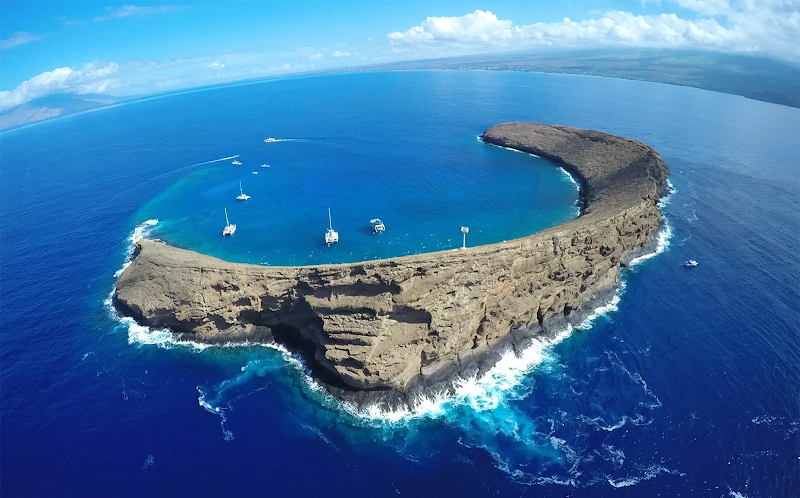
Yes, sheltered bays like Honolua Bay and Molokini Crater offer calmer waters and better visibility, while exposed beaches, especially on the north and west shores, can experience strong waves and currents.
What should I do if caught in a current while snorkeling?
Instead of fighting the current head-on, swim parallel to the shore to safely exit the current zone. Maintain calm breathing and use flotation devices to conserve energy.
Can weather changes happen quickly while snorkeling in Maui?
Yes, sudden gusts, rain showers, and swell increases can develop rapidly, especially near mountain valleys where microclimates form. Always monitor local conditions and be prepared to exit the water swiftly.
Is it safe to snorkel right after heavy rains?
It’s best to avoid snorkeling immediately after heavy rainfall as runoff can reduce visibility, carry debris or pollutants, and disturb marine ecosystems.
What marine life should I watch for while snorkeling in Maui?
Among notable sightings are green sea turtles, reef fish like butterflyfish and parrotfish, and occasionally monk seals resting on beach rocks. Being aware of wildlife behaviors promotes safe and respectful encounters.
Recommended Gear
Snorkeling Mask and Snorkel
Essential to see clearly underwater and breathe comfortably at the surface.
Fins
Improve swimming efficiency and help navigate currents more easily.
Snorkeling Vest
Provides flotation support and adds a safety margin in choppy or current-prone waters.
Reef-Safe Sunscreen
Protects your skin without harming coral reefs, especially important during sun-intensive months.
Local Insights
Hidden Gems
- "Black Rock at Kaanapali Beach for easy shore entry and abundant reef life"
- "Honolua Bay’s northwest point offers unique cave snorkeling when conditions permit"
Wildlife
- "Hawaiian green sea turtles known as "honu," often seen grazing near reefs"
- "Humpback whales offshore during winter months which can be heard and seen from snorkel spots"
History
"Maui’s coastal waters have long been vital for native Hawaiians, who practiced sustainable fishing and revered the ocean as a source of life, each bay holding cultural and spiritual significance."