Explore Maui’s Marine Protected Areas with a practical guide to safe and responsible snorkeling. Learn essential tips for navigating currents, respecting fragile reef ecosystems, and making the most of your underwater adventure near Lahaina.
Check Tides and Currents Before Snorkeling
Currents in MPAs can be unpredictable. Plan your trip around low tide when waters are calmer and visibility peaks, ensuring a safer and richer snorkel experience.
Use Reef-Safe Sunscreen
Protect marine life by applying reef-safe sunscreen before entering the water. Avoid lotions with oxybenzone or octinoxate, which harm coral reefs.
Wear Protective Footwear for Access Trails
Rocky lava paths leading to entry points can be sharp and slippery. Durable water shoes provide safety and prevent injury when approaching snorkeling sites.
Respect Boundaries and Coral
Avoid touching or standing on coral to prevent damage. Maintain a buoyant, slow swimming posture to keep coral and reef creatures safe.
Mastering Maui’s Marine Protected Areas: A Practical Guide for Snorkeling Adventures

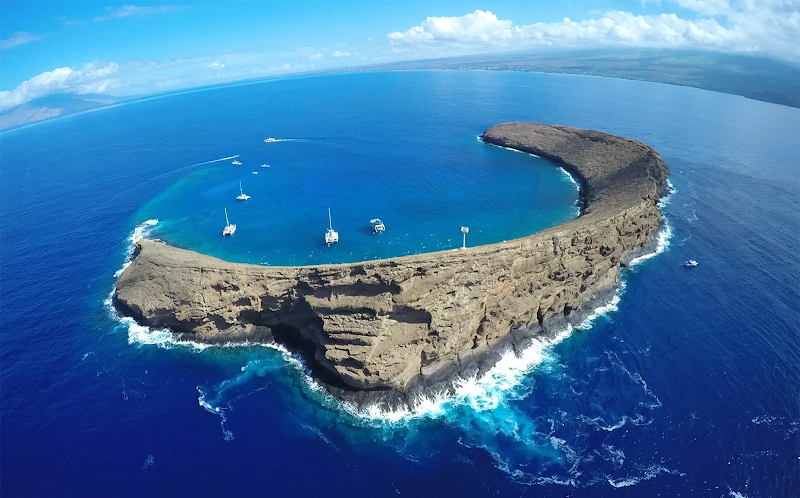
Molokini & Turtle Arches Snorkel • Ma'alaea
5 hours • All ages • Snorkel with the experts at world-famous Molokini reef!
Discover the vibrant underwater world of Hawaii with a private snorkeling tour to Molokini and Turtle Arches. Perfect for nature lovers and adventure seekers alike, this experience offers personalized attention and awe-inspiring marine sights. Read on to find out what makes this tour a must-do in Maui!
Maui’s Marine Protected Areas (MPAs) offer snorkeling enthusiasts a chance to engage with ocean life on the island’s most vibrant stage. These designated zones guard fragile ecosystems against overuse, demanding respect and awareness from every visitor. Approaching your snorkeling trip here means understanding delicate coral formations, currents that shift with purpose, and wildlife that inhabits these waters with quiet confidence.
Start your adventure at Molokini Crater or Honolua Bay, two popular MPAs where clear visibility meets thriving reef life. The protected waters appear calm but hold dynamic currents that push and pull, nudging snorkelers to move with intention and mindfulness. Before you enter, check local tide schedules; lower tides often unveil better visibility and safer currents. Equipment matters—a sturdy mask with a wide field of view, fins that respond smoothly, and optionally a reef-safe sunscreen that won’t upset underwater neighbors.
Marine Protected Areas pose a practical challenge: Staying within boundaries while avoiding contact with corals and reef dwellers. Respect the ocean’s rules—don’t touch or stand on the coral, and keep fins high to prevent unintentional damage. Each movement should echo the rhythm of the sea, which remains fiercely itself and unyielding. This approach maximizes your immersion and protects the ecosystem for return visits.
Locally, MPAs are governed by community enforcement combined with state management, so signage is common but not exhaustive. When visiting, carry a water-resistant waterproof map or download an offline app pinpointing no-touch zones and entry points. Early morning visits reward snorkelers with calmer waters and schools of fish less scattered by boats or crowds.
Plan hydration carefully; even when in the water, the Hawaiian sun draws moisture from your body. Drink before and after, and consider packing a small, leak-proof hydration pack snorkeling gear compatible. Footwear that resists coral cuts and traction on lava rock paths leading to entry points is essential.
Understanding Maui’s MPAs is more than a checklist—it’s an exercise in shared stewardship. Each snorkel is a negotiation between thrill-seeking and gentle respect. It’s where the curious adventurer meets a marine world fiercely alive and definitely not passive.
Whether you’re a novice spotting tangs and butterflyfish for the first time or a seasoned snorkeler marveling at parrotfish’s colors in the reef’s quiet crevices, each dive within Maui’s marine protected areas rewards with clarity and life. Prepare well, move smart, and you’ll return with more than memories—you’ll carry a sense of connection and responsibility for these fiercely protected underwater realms.
Nearby Trips
All Adventures
Boat Charters
Water Activities
Adventures near Lahaina
Discover the unique and memorable adventures that make Lahaina special.
Frequently Asked Questions
Are permits required to snorkel in Maui’s Marine Protected Areas?
No general permits are needed to snorkel in most MPAs, but some areas may have restrictions on group sizes or boating access. Always check with local authorities or visitor centers for updates specific to your destination.
What marine life can I expect to see?
Common sightings include Hawaiian green sea turtles, colorful surgeonfish, butterflyfish, parrotfish, and vibrant coral species. Seasonal visitors like humpback whales appear during winter off the coast.
How do I avoid damaging coral reefs while snorkeling?
Maintain buoyancy—never stand on or touch coral. Use slow, deliberate movements and keep fins raised to prevent accidental contact. Avoid wearing gloves or collecting marine life.
When is the best time of day for snorkeling in the MPAs?
Early mornings offer the calmest seas and clearest water, with fewer crowds. Midday sun enhances underwater visibility but increases the risk of sunburn.
Are there any local rules I should be aware of?
Yes, Maui enforces strict regulations to protect reef ecosystems, including bans on fishing or removing marine life within MPAs. Respect all signage and guidelines to support conservation efforts.
What should I do if I encounter strong currents?
Remain calm and avoid fighting the current. Swim parallel to the shore until reaching a safer zone, then exit cautiously. Never snorkel alone and carry a flotation device if unsure about ocean conditions.
Recommended Gear
Snorkel Mask and Fins
A high-quality snorkel mask with panoramic views paired with well-fitted fins ensures better navigation and comfort underwater.
Reef-Safe Sunscreen
Protect your skin and coral reefs from harmful chemicals by applying eco-friendly sunscreen pre-trip.
Water Shoes or Aqua Socks
Protect feet navigating sharp lava rock and slippery surfaces on entry and exit paths.
Dry Bag or Waterproof Case
Keep valuables dry and safe during water activities and transitions between snorkeling spots.
Local Insights
Hidden Gems
- "The Seahorse Key near Honolua Bay offers quiet snorkeling with unique seahorse populations rarely seen at busier spots."
- "Pu’u O Keka’a (Black Rock) provides unexpected tide pools near snorkeling areas that reveal intertidal marine life."
Wildlife
- "Look out for the Hawaiian cleaner wrasse, a small fish performing vital cleaning rituals on larger fish, an unusual behavior fascinating to witness underwater."
- "Monk seals occasionally rest on beach edges near MPAs and should be observed from a respectful distance."
History
"Maui’s MPAs partially reflect ancient Hawaiian ahupua’a resource management systems designed to keep ocean life healthy for future generations, blending cultural reverence with conservation science."