Maui’s waves are a living challenge, shifting with the seasons and tides. Learn how to fine-tune your surfing technique across winter’s powerful swells and summer’s gentle breaks, so each session on the island’s diverse coasts delivers thrill and safety alike.
Choose Boards According to Season
Use bigger, more stable boards for strong winter swells and smaller, more maneuverable ones in calmer summer surf for optimal control.
Understand Local Currents
Study currents before paddling out; they can push you off your line, especially around reef breaks like Honolua Bay.
Paddle Out Early
Catch the earliest light when winds are calm and waves are clean, especially in winter when conditions deteriorate quickly after sunrise.
Respect Hawaiian Surf Etiquette
Observe local customs: don’t drop in, communicate in the lineup, and give priority to those closer to the peak to maintain harmony and safety.
Mastering Maui Surf: Adapting Your Technique to Waves and Seasons
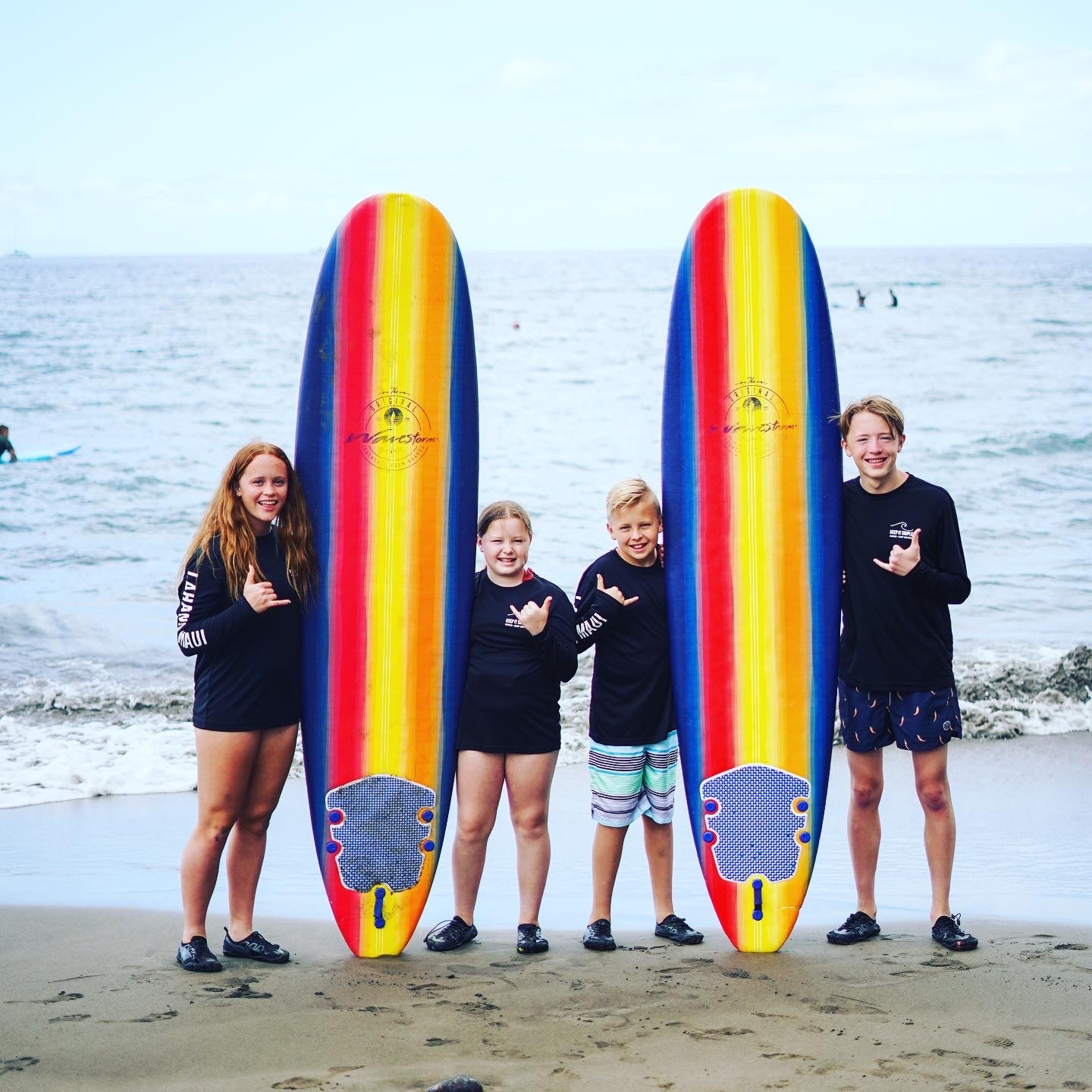
Surf Lessons
2 Hours | 3:1 ratio | Ages 5+ | All lessons are private to you or your ohana!
Experience the thrill of surfing in Maui with a private lesson in Lahaina. Perfect for all skill levels, this adventure promises fun, learning, and stunning ocean views that you'll never forget.
Maui's ocean presents a dynamic playground for surfers, where changing wave conditions and seasonal shifts demand more than just courage—they require adaptation and knowledge. From the towering winter swells that roll in like unstoppable forces on the north shore to the gentler summer waves caressing the southern coves, each requires a different skillset and mindset.
Start by reading the ocean. Winter on Maui (roughly November through March) stirs powerful North Pacific swells that push fiercely onto shores like Honolua Bay and Peahi (Jaws). These waves are fast, heavy, and best suited for experienced surfers equipped with big boards or guns designed to handle speed and steep drops. Paddle out early to catch the calmer morning windows, when the winds are lighter and the surf lines are cleaner.
Switch seasons, and the ocean's personality softens. Summer months (May to September) welcome smaller, mellow south swells ideal for longboarders and beginners testing balance and timing. The southern shores near Kihei and Wailea offer more forgiving breaks, where wave faces invite smooth, drawn-out rides that teach flow rather than force.
Adapting Maui surfing technique means assessing wave size, power, and shape. With larger winter waves, you’ll need explosive paddling, sharp positioning beyond the break, and confident, aggressive drop-ins to harness the wave’s muscle. Balance your weight slightly back and prepare for faster turn execution to keep control.
In contrast, smaller summer surf rewards a more relaxed stance, subtle weight shifts, and a longer, rhythmic glide. Work on trimming – riding close to the wave’s curling lip – to maximize speed and style. Focus on timing your take-off with the wave’s gentle swell instead of brute strength.
Tides further influence your approach. Low tides often expose shallow reefs challenging your path but sometimes creating prime surfing tubes. High tides can soften a wave or close out breaks altogether, reducing ride length and requiring you to pivot or move spots quickly.
Safety and local etiquette matter. Respect the ocean’s moods—currents push and pull like a living entity demanding your focus. Equip yourself with appropriate boards for the season and conditions, and never surf alone in more challenging zones. Maui’s ocean respects skill paired with humility.
Preparation also extends beyond the water. Time your sessions around Maui’s variable winds—trade the afternoon onshore gusts that chop waves for the early sun’s calm offshore breezes. Stay hydrated, warm up with mobility drills before hitting the water, and keep reef-safe sunscreen handy.
In essence, adapting your Maui surfing technique means becoming fluent in the ocean’s seasonal language. Reading and responding to its changes not only expands your skills but deepens your connection to these powerful waters. Whether carving the glassy summer curls or holding firm beneath winter's towering walls, Maui’s waves ask for respect, awareness, and adaptability. The reward is raw, unfiltered exhilaration balanced with practical mastery.
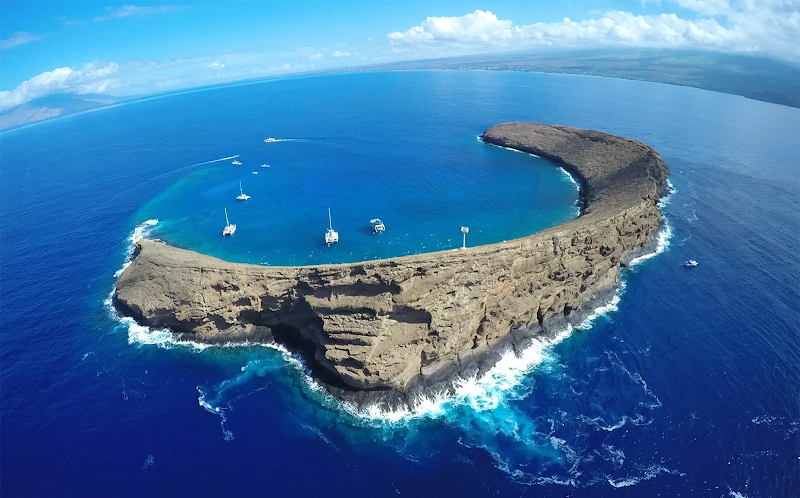
Nearby Trips
All Adventures
Boat Charters
Water Activities
Adventures near Lahaina
Discover the unique and memorable adventures that make Lahaina special.
Frequently Asked Questions
What’s the best time of year for beginners to surf Maui?
Summer months—May through September—provide smaller, gentler waves on southern shores like Kihei, making them safer and easier for beginners to learn and practice.
Where should I surf for big wave action on Maui?
The north shore locations like Peahi (Jaws) and Honolua Bay during winter months produce some of the biggest, fastest waves, attracting expert surfers looking for a challenge.
How do tides affect surfing in Maui?
Low tides often expose sharp coral reefs complicating navigation but can create better-shaped waves. High tides can close out breaks, making rides short or impossible, especially in reef-heavy areas.
Are there any local customs I should know before surfing in Maui?
Yes. Respecting locals includes yielding right of way at the peak, avoiding wave dropping, and keeping communication clear and friendly in the lineup.
What wildlife might I encounter while surfing in Maui?
It's common to see sea turtles (honu) gliding nearby and occasionally spinner dolphins off the coast, both of which are protected species respected by locals and surfers alike.
Should I consider renting or bringing my own surfboard?
If you’re experienced and aiming for big waves, bringing your specialized board is ideal. Rentals are available and great for beginners or casual surfers, especially during summer’s gentler conditions.
Recommended Gear
Big Wave Gun Board
Designed for speed and stability on Maui’s heavy North Shore winter surf.
Longboard
Ideal for smoother, smaller waves to practice balance and trim along gentler swells.
Reef-Safe Sunscreen
Protects skin without damaging coral reef ecosystems.
Hydration Pack
Keep fluids handy during long warm-weather sessions to prevent dehydration.
Local Insights
Hidden Gems
- "Slower left-hand breaks at Little Makena in summer offer less crowded surfing with smooth lines."
- "Secret surf spots around La Perouse Bay provide varied conditions for intermediate surfers."
Wildlife
- "Hawaiian green sea turtles frequent many reef breaks and are considered ocean guardians."
- "Spinner dolphins often perform aerial acrobatics offshore at dawn and dusk."
History
"Maui's surfing roots run deep into Hawaiian culture, where waves are seen as powerful spirits. Certain breaks like Honolua Bay hold cultural significance as sacred surf grounds."