Mastering Timing and Seasonal Nuances for Louisiana’s Wetland and Forest Tours
Louisiana’s wetlands and forests offer a constantly shifting adventure where timing shapes experience. Understanding seasonal nuances lets you sync with these ecosystems, from vibrant spring wetlands alive with birdsong to the cooler quiet of winter forests. Prepare smartly and choose your season for an engaging and navigable journey through nature’s pulse.
Start Early to Beat Heat and Bugs
Louisiana’s heat and mosquitoes intensify midday, especially in summer—begin hikes before 9 a.m. to stay cooler and avoid pests.
Use Waterproof Footwear
Trails often run through soggy soil and shallow water; waterproof boots or trail shoes with good grip keep feet dry and stable.
Carry Adequate Hydration
Humidity can drain your energy quicker than expected; bring at least two liters of water per person, regardless of season.
Pack Insect Repellent
Mosquitoes and biting flies are active most of the year—apply repellent before starting and reapply during longer hikes.
Mastering Timing and Seasonal Nuances for Louisiana’s Wetland and Forest Tours

Natural Reserve Tour
Age 18+ to book • 1.5 Hours
Discover the untouched beauty of Puerto Rico’s ecosystems on a private boat tour in Manatí. Explore vibrant wetlands, spot diverse wildlife, and enjoy personalized service on this unforgettable eco-adventure.
Louisiana’s wetlands and forests pose a powerful invitation to explore landscapes fiercely alive and always shifting. But timing your visit is key to experiencing these ecosystems at their most vivid and manageable. Wetland tours sweep you along bayous where slow-moving waters dare you to keep pace, while forested trails press you through dense groves where the rustle of leaves pushes forward with every breeze.
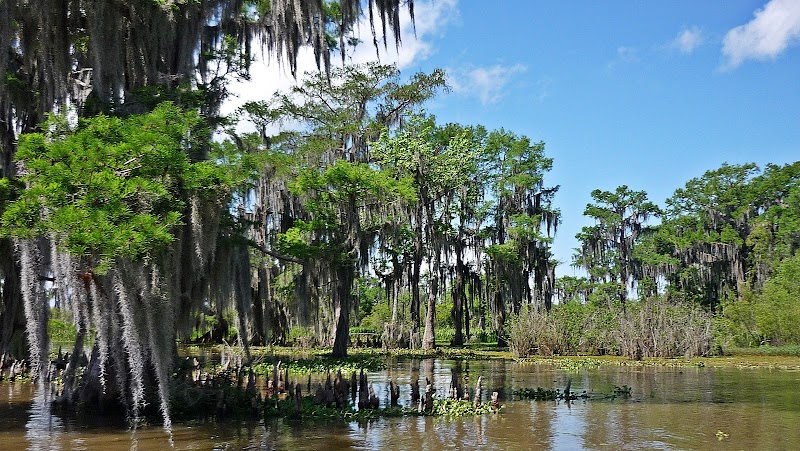
Spring and fall offer the best balance of comfort and spectacle. In spring (March to May), the air carries the pulse of new life—cypress knees rise like tiny sentries from the water, and wildflowers pepper forest floors with bursts of color. These months keep temperatures mild, with humidity still low enough for comfortable treks. Expect wetlands to brim with migratory birds and amphibians actively calling. However, spring rains often swell water levels, so waterproof footwear and quick-dry gear are practical necessities.
Summer (June to August) transforms the wetlands into a challenge—oppressive heat and relentless humidity turn every step into a commitment. Mosquitoes assert their dominance, and afternoon thunderstorms push through with sudden, fierce authority. If visiting now, start early to beat the midday heat and carry ample water. Forest hikes here run about 3 to 5 miles on flat to gently undulating terrain, with elevation gains rarely exceeding 100 feet. Trails often cover sandy or muddy ground. Lightweight, breathable clothing paired with insect repellent proves essential.
Fall (September to November) rivals spring in appeal. Cooler air tempers the aggressive summer, enticing a resurgence in animal activity—notably deer and migratory songbirds preparing for their southbound journeys. Falling leaves carpet trails with a crunch underfoot as currents in nearby bayous kick up with autumn rains. This season offers superb light for photography: early mornings reveal mist rising off water, while golden hours warm the dense forest canopy.
Winter (December to February) brings a quieter, more introspective experience. Wetlands contract as water levels recede, exposing mudflats rich with feeding wading birds. Temperatures remain mild compared to other parts of the U.S., but occasional cold fronts can chill trails. Sparse crowds make for peaceful solitude, ideal for seasoned explorers prepared for cooler, damp conditions.
Navigating these natural spaces demands respect for their raw character. Trails range from easy flat walks to moderate forest routes averaging 4 miles with minimal elevation changes. Navigation is straightforward but expect uneven terrain and occasional water crossings. Hydration is non-negotiable year-round; water bottles and layered clothing guard against sudden humidity swings.
For footwear, waterproof boots or sturdy trail shoes with good traction are vital given wet soil and slick boardwalks. Pack light but include essentials: insect repellent and quick-dry clothing for comfort, plus a wide-brimmed hat and sunglasses to battle Louisiana’s capricious sun. Embrace early starts and flexible plans to avoid peak heat and afternoon storms.
Respectful curiosity is your best companion here. The wetlands and forests are waters and woods fiercely themselves—never subdued, always alive. Their rhythms demand patience and readiness, rewarding the adventurer who listens closely and treads lightly. Timing your journey right unlocks the richness of sights and sounds, scenery that breathes and pulses just beyond the beaten path.
Nearby Trips
All Adventures
Boat Charters
Water Activities
Adventures near Lafayette
Discover the unique and memorable adventures that make Lafayette special.
Frequently Asked Questions
When is the best time to see wildlife during wetland tours in Louisiana?
Spring and fall are prime times for wildlife viewing. Migratory birds peak during these seasons, and animals are active either preparing for or recovering from the seasonal cycles.
Are the trails accessible year-round?
Most trails are open year-round, but water levels and weather impact accessibility. In spring, be ready for flooded sections, and in summer, afternoon storms may temporarily close boardwalks.
What footwear is best for forest and wetland hikes here?
Sturdy waterproof boots or trail shoes with good tread are recommended to navigate muddy soil, water crossings, and slippery boardwalks encountered on these trails.
How should I prepare for mosquito-heavy months?
Use insect repellent, wear long sleeves and pants, and plan hikes during cooler or breezier parts of the day to reduce exposure.
Are these tours suitable for beginners?
Yes, many trails are moderate with minimal elevation change, but they require handling uneven terrain and some water crossings, so basic fitness and awareness are advised.
Can I bring a camera for photography on these tours?
Absolutely. The forests and wetlands offer spectacular photo ops—early morning mist and golden-hour light enrich your shots, especially during fall and spring seasons.
Recommended Gear
Waterproof Hiking Boots
Protect your feet from wet, muddy conditions common on trails and boardwalks in wetlands and forests.
Insect Repellent
Vital during warm months to prevent mosquito and biting fly discomfort.
Lightweight, Breathable Clothing
Helps you stay cool and dry while offering sun protection in humid conditions.
Hydration Pack or Water Bottles
Maintains hydration during long hikes, essential year-round due to humidity and heat.
Local Insights
Hidden Gems
- "A rarely visited cypress dome near Lake Martin known for quiet reflection and nesting herons."
- "A loop trail beside Vermilion River featuring subtle elevation changes and scenic creek crossings."
Wildlife
- "American bitterns lurking in marsh grasses"
- "River otters occasionally playing in bayous"
- "Indigo buntings brightening forest edges"
History
"Many trails run through lands historically used by the Atakapa-Ishak and other indigenous groups; some forests still cradle ancient live oaks marking old settlement patterns."