Navigating Louisiana Swamps: How Timing and Weather Shape Your Kayaking Adventure
Louisiana’s swamps offer an immersive kayaking adventure shaped by the ever-changing weather and seasonal shifts. Understanding when to paddle and how to prepare makes all the difference in safely unlocking the swamp’s raw, vibrant character.
Start Early to Avoid Heat and Bugs
Begin paddling at dawn or early morning when temperatures are lower and mosquitoes less active, especially in summer.
Pack Waterproof Navigation Tools
Swamp waters and weather can shift quickly; carry GPS devices and waterproof maps to stay oriented.
Wear Quick-Drying Footwear
Water levels fluctuate and parts of the route may require stepping out; choose footwear that dries fast and protects.
Check Weather Alerts Daily
Afternoon thunderstorms are common in warmer months and can create dangerous conditions; stay updated on forecasts.
Navigating Louisiana Swamps: How Timing and Weather Shape Your Kayaking Adventure

Honey Island Kayak Swamp Tour. *Summertime Favorite*
2 Hours •Swimming, Sandbars & Funky Backwoods Swamp Kayak Tour Experience
Discover the enchanting beauty of Honey Island Swamp on this private kayaking adventure. Perfect for summer fun, you'll encounter vibrant wildlife and serene waterways in Louisiana's exclusive wetlands.
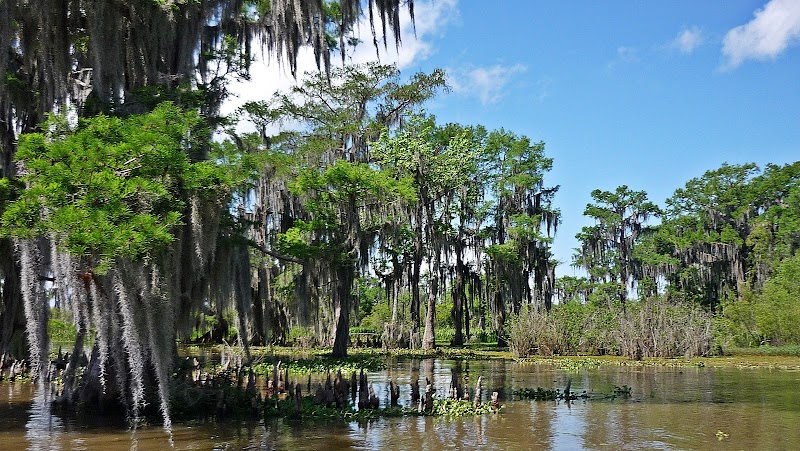
Louisiana’s swamps are a fierce and living network of waterways, daring kayakers to explore their slow, winding rhythms. These cypress-lined swamps, laced with moss and alive with unseen currents, change their face with each season and weather shift. Planning a kayaking trip here demands attention to timing and weather, as these elements sculpt not only your route but safety and experience.
Early spring and fall offer the most hospitable conditions. Temperatures hover comfortably between 60°F and 80°F, and mosquitoes are less aggressive while water levels are manageable. Water flows gently, inviting paddlers to glide amid towering cypress knees and watch the swamp’s patient wildlife, like herons and elusive alligators, asserting their presence.
Summer, however, summons a different swamp, thick with heat and humidity. Afternoon thunderstorms roar across the sky without warning, and swarms of mosquitoes rise with the warmth. Water levels swell unpredictably after heavy rains, making currents stronger and navigation trickier. Hydration and early starts are essential if you want to stay dry and alert.
Winter months offer cooler air but bring the challenge of reduced daylight and occasional cold snaps. The swamp slows but does not sleep. Misty mornings cloak the water in a shifting haze, heightening the eerie beauty but demanding careful attention to safety and gear.
Wind and rain dictate the pace—calm winds allow still waters to reflect the sky, creating an almost surreal paddling experience. Conversely, gusts whip the swamp’s surface into choppy waves that test even seasoned kayakers. Persistent rain can flood trails and obscure landmarks, making GPS and local maps vital.
Prepare for the terrain: shallow channels can hide underwater roots and sudden depth changes, while exposed banks invite short portages. A robust, stable kayak fits best to handle varied conditions. Proper footwear that dries quickly, insect repellent, and layered clothing for temperature swings are practical essentials.
Every paddle stroke is an exchange with a swamp that’s fiercely itself—never fully predictable but always rewarding. Respecting its moods and timing your adventure around weather rhythms will turn a kayaking trip into an intuitive dialogue with one of Louisiana’s most powerful natural forces. Whether you’re navigating quiet backwaters or negotiating wider bayous, knowing when to go and how to prepare is as crucial as the gear in your kayak.
Nearby Trips
All Adventures
Boat Charters
Water Activities
Adventures near Lafayette
Discover the unique and memorable adventures that make Lafayette special.
Frequently Asked Questions
What is the best time of day to kayak in Louisiana swamps?
Early morning is ideal for calmer waters, cooler temperatures, and fewer insects. Staying off the water during mid-afternoon reduces risk from thunderstorms and heat in warmer months.
Are alligators a danger during swamp kayaking?
Alligators usually keep to themselves, but maintaining distance is key. Avoid paddling near nests during nesting season (spring to early summer) and never feed or provoke wildlife.
How do changing water levels affect kayaking routes?
Higher water can open blocked routes but may hide submerged obstacles; low water limits navigation in shallower areas. Checking recent rainfall and water gauges can inform your planned path.
What should I do if a storm arises while on the water?
Head to the nearest shore or elevated bank immediately and seek shelter. Avoid open water, especially during lightning, and postpone trips if storms are forecasted.
Is kayaking accessible for beginners in these swamps?
Swamp kayaking can suit beginners on flat, calm days, but basic paddling skills and understanding weather impacts are necessary. Guided tours are a good start for novices.
What wildlife can I expect to see during a swamp kayak trip?
Expect herons, egrets, turtles, snakes, and occasional alligators. Bird migrations in fall and spring create exceptional spotting opportunities.
Recommended Gear
Stable Recreational Kayak
A sturdy kayak designed for shallow, changing waters helps maintain balance and maneuver through narrow channels.
Insect Repellent
Crucial for comfort and protection against mosquitoes and biting insects common in swamp environments.
Waterproof Dry Bags
Protects essentials and electronics from splashes and unpredictable weather.
Layered Clothing
Facilitates temperature regulation and protection against cold misty mornings or sudden chills.
Local Insights
Hidden Gems
- "The refuge of Avery Island’s Bayou Petit Anse offers quieter channels and fewer visitors."
- "Seek out the sunken cypress trunks in Lake Martin for secluded wildlife viewing."
Wildlife
- "Louisiana black bears sometimes roam nearby forests."
- "Prothonotary warblers nest in the swamp’s flooded trees during spring."
History
"The region bears deep Cajun cultural roots, with bayous traditionally serving both as transport routes and sites of fishing and trapping for centuries."