Gear Up Right: What to Wear and Pack for a Culturally Immersive Louisiana Walk
Experience Louisiana’s cultural heart on foot, where every step meets history and nature in equal measure. This guide equips you to navigate uneven bayou trails with practical packing tips and clothing advice for a safe, engaging walk in the South’s vibrant wetlands.
Choose Breathable, Protective Clothing
Wear lightweight long-sleeves and pants in moisture-wicking fabric to stay cool and protect against insects and thorny plants.
Hydrate Frequently
Bring at least 2 liters of water as Louisiana’s humid air and steady exertion can dehydrate you quickly.
Start Early or Late
Avoid midday heat by walking early in the morning or near sunset for cooler temps and better wildlife activity.
Wear Waterproof Footwear
Expect muddy and slick conditions on dirt and bayou-edge trails; waterproof shoes with good grip reduce slip risks.
Gear Up Right: What to Wear and Pack for a Culturally Immersive Louisiana Walk
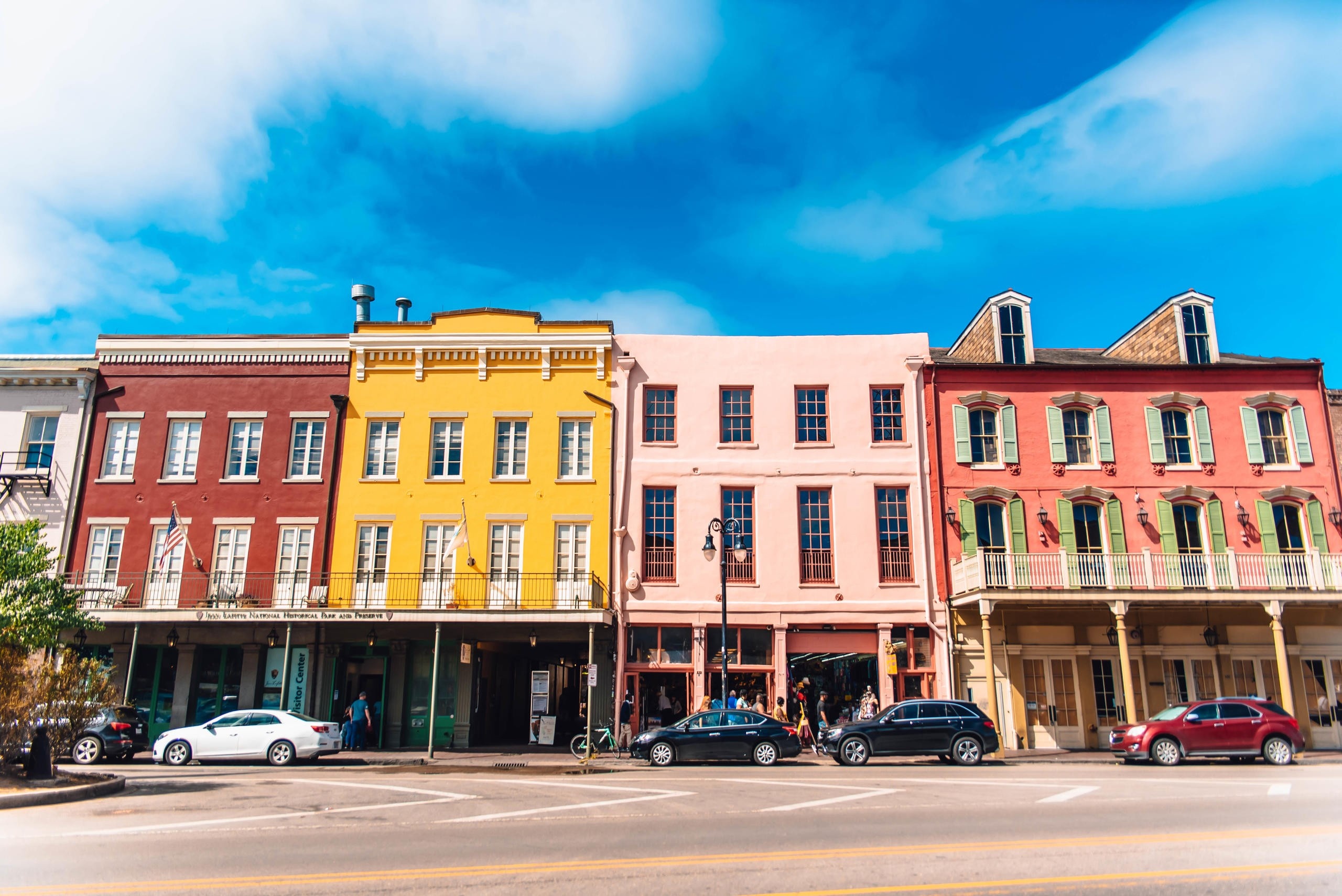
Highlights of the French Quarter Walking Tour
2 Hour Tour • Great Intro to New Orleans
Discover the vibrant French Quarter in New Orleans with Two Chicks Walking Tours. This two-hour guided walk unveils iconic sights, local stories, and hidden gems—perfect for immersing yourself in the city’s rich culture. Keep reading to learn more about this engaging experience.
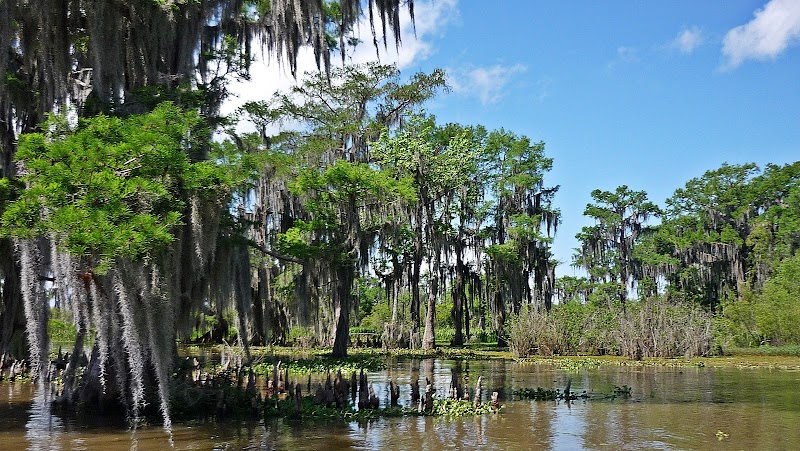
Walking through Louisiana’s culturally rich trails offers more than a stroll; it’s an active dialogue with the land and its stories. Picture a 5 to 8-mile route threading through diverse terrain—from shaded bayou edges with mud-slick roots daring your step, to old oak alleys draped in Spanish moss that sways like a slow breath overhead. Elevation gain is minimal, usually under 300 feet, but the uneven ground and occasional swampy patches demand steady footing. The paths are primarily dirt and compacted leaves, slippery when wet and alive with the calls of red-winged blackbirds and the rustle of crawfish in shallow waters.
Practical preparation starts with what you wear. Lightweight, breathable clothing in quick-dry fabrics helps manage humidity that can climb aggressively by midday. Long sleeves and pants aren’t just about sun protection—they guard against scratches from underbrush and unexpected mosquito ambushes near water. Sturdy, waterproof hiking shoes with gripping soles are essential as slick roots and muddy spots will challenge your steps. A wide-brimmed hat and polarized sunglasses let you meet the Louisiana sun without squint or squirm.
Packing for this walk means balancing necessity with comfort. A hydration pack with 2 liters minimum is non-negotiable; the heat can build steadily, pushing your body to keep pace. Include insect repellent, a small first aid kit, and a durable map or GPS device—signal can fade abruptly between groves. Snacks like protein bars or trail mix restore energy without weighing you down. A lightweight, packable rain jacket fits easily into your bag since sudden showers are a frequent player in this landscape’s rhythm.
Timing adds a tactical edge to your adventure. Start early mornings to catch cool air and lively wildlife, from herons stalking the water’s edge to ancient cypress trees exhaling mist. The late afternoon carries a softer light but rising humidity and shifting breezes demand quick pace and clear planning before dark. Respect the bayou’s pulse—it moves with seasons and weather, and your best walk acknowledges the land’s moods rather than racing past them.
With these preparations, your Louisiana walk will be more than a passage—it becomes an immersion. You’ll feel the wetlands pull you forward, dare you to notice the subtle changes in moss textures and water reflections, and reward attentiveness with stories carried on the wind. This journey is about steady steps, open senses, and a practical approach to what to wear and pack in this richly demanding landscape.
Nearby Trips
All Adventures
Boat Charters
Water Activities
Adventures near Lafayette
Discover the unique and memorable adventures that make Lafayette special.
Frequently Asked Questions
What kind of terrain can I expect on a Louisiana cultural walk?
Mostly dirt trails winding through bayous, forest edges, and small wetlands. Expect some muddy patches, exposed tree roots, and occasional swampy ground requiring waterproof footwear and cautious steps.
Are insects a major concern on these trails?
Yes, especially in warmer months. Mosquitoes and biting flies are active near water. Use insect repellent and wear protective clothing to minimize bites.
Is it safe to drink water from natural sources on the walk?
No, water from the bayou or streams contains bacteria and parasites. Always carry your own clean water supply to stay hydrated safely.
Can I learn about local culture during the walk?
Absolutely. These walks often pass near historic homesteads, Cajun communities, and culturally significant landmarks, offering a blend of natural immersion and rich local heritage.
Are dogs allowed on these trails?
Policies vary by specific trail. If allowed, keep dogs leashed due to wildlife and uneven terrain, and bring water for your pet.
What’s the best time of day to avoid heat and crowds?
Early mornings provide cooler temperatures, quieter paths, and active wildlife encounters. Late afternoons can also be pleasant, but avoid midday heat whenever possible.
Recommended Gear
Waterproof Hiking Shoes
Keeps feet dry and offers solid grip on uneven, muddy paths common along Louisiana bayous.
Lightweight Long-Sleeve Shirt and Pants
Balances sun protection, insect defense, and breathability in the humid environment.
Hydration Pack or Water Bottles
Ample water supply critical due to heat and humidity accelerating dehydration.
Compact Rain Jacket
Sudden rain showers are common—lightweight rain protection keeps you dry without bulk.
Local Insights
Hidden Gems
- "An underused observation point near Vermilion River with panoramic views at sunrise"
- "Old Acadian cemeteries tucked away along secondary trails telling local stories"
- "A small, seldom-visited butterfly garden maintained by nearby communities"
- "Quiet side paths offering close encounters with Louisiana’s towering cypress and their knees"
Wildlife
- "Louisiana black bear (rare, but possible in remote areas)"
- "Great egrets and herons hunting along waterways"
- "Bass and catfish visible in clear pools"
- "Various migratory songbirds and endemic frogs"
History
"The trails trace lands originally settled by Cajun and Creole communities; many sites connect to early 18th-19th century homesteads, sugar plantations, and Native American travel routes, offering a layered look into Louisiana’s complex cultural past."