
Kodiak’s waterways challenge and reward visitors with rugged beauty and ever-shifting conditions. This guide offers practical tips for maximizing comfort during multi-day boat rentals, helping adventurers stay prepared and relaxed amid the island’s dynamic maritime environment.
Secure Shelter Setup
Always use waterproof tarps or canopies to shield your sleeping and seating areas from sudden Kodiak rainstorms and wind gusts.
Hydration Strategy
Carry sufficient fresh water or reliable filtration systems; cold temperatures mask dehydration but your body still demands fluids.
Flexible Itinerary Planning
Build time buffers to account for weather changes and unexpected exploration opportunities along the waterways.
Layered Clothing
Wear waterproof, breathable outerwear and quick-dry base layers to adapt quickly to Kodiak’s sudden weather shifts.
Maximizing Comfort on Multi-Day Boat Rentals in Kodiak’s Scenic Waterways

22' Hard Top Halibut/Salmon Boat Rental - VO4 (200hp)
1 to 5 day options
Command your own 22' fishing boat near Valdez, Alaska, for a versatile halibut and salmon adventure. Experience freedom on iconic Prince William Sound waters.
Exploring Kodiak's vast waterways over multiple days demands more than just seamanship—it calls for smart preparation and a mindset attuned to comfort amid ever-changing elements. The archipelago’s forested inlets and open channels invite adventurers to engage with water that alternately soothes and challenges as currents push forward and winds shift with purpose. Success lies not only in piloting your vessel but in how well you adapt your gear, habits, and mindset to the rhythms of this fiercely independent environment.
Start with your boat setup. Prioritize shelter that offers protection from Kodiak’s unpredictable weather. A well-tended tarp or camper canopy can be your shield against sudden rain or piercing winds. Inside, organize sleeping arrangements to keep bedding dry and stowed, with weather-resistant bags that repel moisture. Invest in compact, ergonomic seating cushions—rocking gently with the waves, they reduce fatigue and keep you comfortable on longer stretches.
Plan your provisions carefully. Kodiak’s waterways don’t offer a convenience store at every turn. Balance lightweight, nutrient-dense foods with enough fresh water or means to purify water onboard. Hydration remains key as the calorie burn from cold winds and active paddling can sneak up. Keep snacks accessible, as reaching into storage while underway can be tricky.
Navigation routines are also part of comfort. Chart daily goals with time buffers for weather shifts or unplanned exploration. Early mornings reveal calm waters ideal for forward momentum, while afternoons might encourage anchoring near scenic coves where the tide’s lull rewards rest.
Clothing is your mobile armor. Layer with waterproof outerwear designed for breathability. Quick-dry under layers help manage sweat and chill. Footwear should be sturdy, water-resistant, and slip-friendly when stepping onto slick docks or rocky beaches.
Finally, honor the unpredictability around you. Kodiak’s nature doesn’t submit but invites respect. Currents dare steady hands; fog cloaks your passage; eagles trail your progress from lofty perches. Engaging with the environment pragmatically lets you savor its beauty and embark safely on each new horizon.
By marrying preparation with presence, you transform your Kodiak multi-day boat rental into an adventure both thrilling and comfortable, where every wave is met with readiness and every stop a chance to recharge amid one of Alaska’s most striking maritime realms.
Nearby Trips
All Adventures
Boat Charters
Water Activities
Adventures near Kodiak
Discover the unique and memorable adventures that make Kodiak special.
Frequently Asked Questions
What are the best spots for overnight anchorage in Kodiak’s waterways?
Look for sheltered coves like Anton Larsen Bay or Raspberry Strait, which offer calm waters and natural wind protection, plus access to nearby hiking trails.
How do I manage tides and currents during multi-day boat rentals?
Study tide charts closely and plan travel during slack tides when currents ease. Always check local updates, as Kodiak’s strong tidal changes can affect boat handling.
Are fresh water sources accessible along the routes?
Freshwater availability is limited; natural streams exist but are seasonal and often upstream. Always carry sufficient water or a quality filtration system.
What wildlife should I expect to encounter?
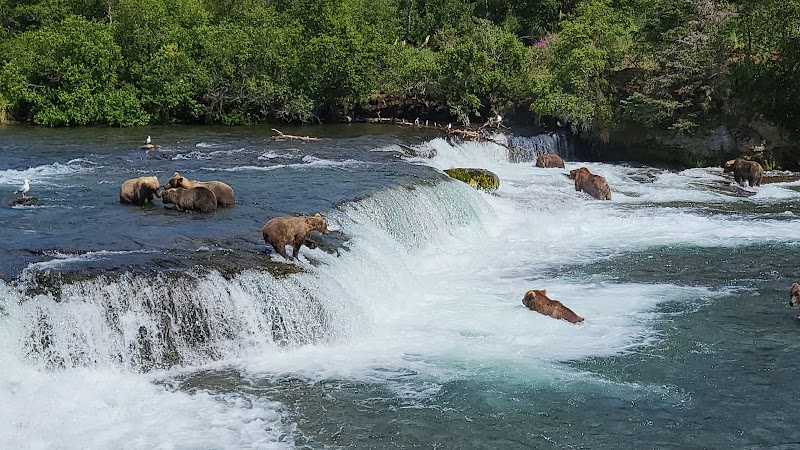
Kodiak’s waters brim with bald eagles, sea otters, seals, and sometimes bears on shore. Respect wildlife space and avoid startling animals, especially near nesting areas.
Is cell service reliable in the remote waterway areas?
Service is spotty to nonexistent in most remote areas. Satellite communication devices are advised for emergencies and check-in protocols.
What are the local regulations for boating and camping in Kodiak’s waterways?
Follow all Alaska state boating laws, including no-wake zones and protected wildlife areas. Camping permits may be required in certain state parks—verify before your trip.
Recommended Gear
Waterproof Dry Bags
Protects clothing and gear from moisture during wet weather and sea spray.
Multi-layer Technical Clothing
Breathable waterproof layers and quick-dry underlayers manage Kodiak’s variable conditions efficiently.
Portable Water Filter
Enables safe hydration from natural sources when fresh water supplies are limited.
Ergonomic Seat Cushion
Improves comfort during long stretches on board, reducing fatigue on uneven surfaces.
Local Insights
Hidden Gems
- "South Channel's secluded sandy beaches"
- "Spirit Cove's natural hot springs"
- "Spruce Creek estuary for birdwatching"
- "Afognak Island’s ancient Sitka spruce groves"
Wildlife
- "Kodiak bears roaming coastal edges"
- "Sea otters playing near kelp beds"
- "Harbor seals doubling as sentinels on rocks"
- "Bald eagles circling overhead"
History
"Kodiak Island holds rich Alaska Native heritage and was the first Russian outpost in North America. Scattered fishing villages maintain cultural ties and traditional subsistence practices."